Malviya Nagar Hotel Fire: Regulatory Failures and Civic Negligence Behind 21 Deaths
Malviya Nagar Hotel Fire Tragedy Raises Questions Over Civic Negligence; 21 Lives Lost | News18
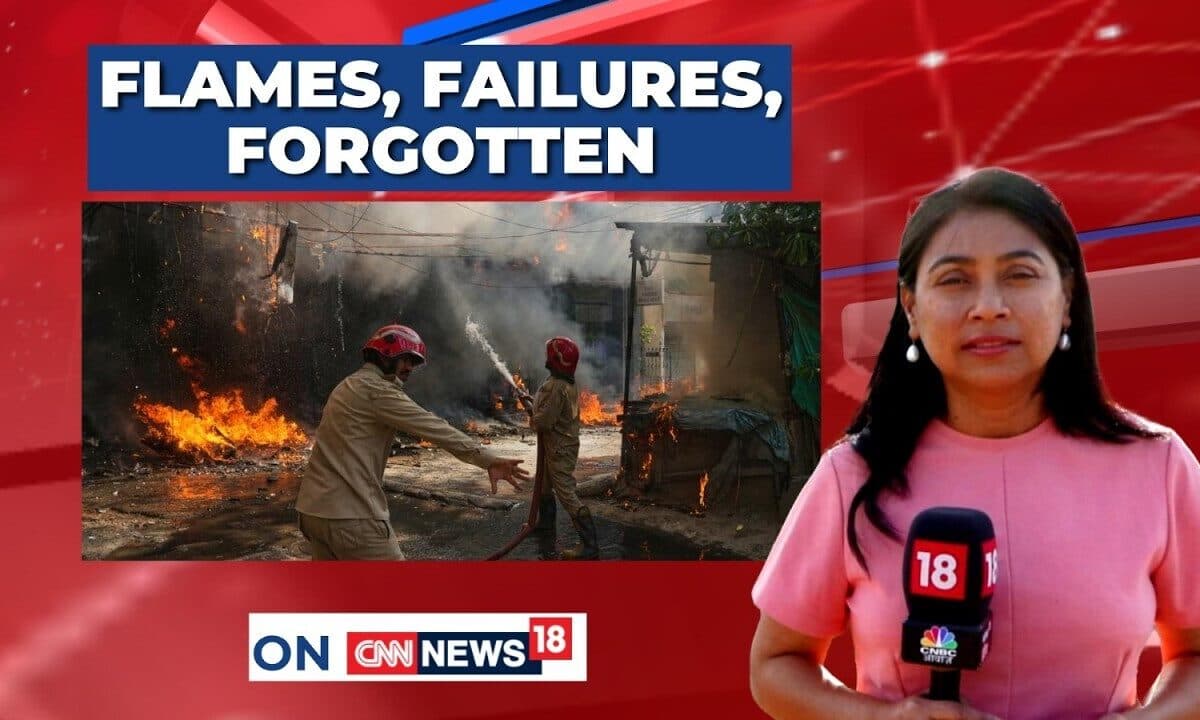
A devastating blaze in a Delhi hotel has claimed 21 lives, sparking intense scrutiny into the city’s fire safety protocols and the systemic failures that allowed a death trap to operate.
The tranquil neighborhood of Malviya Nagar was jolted into mourning this week after a massive inferno engulfed a local hotel, resulting in 21 lives lost. As forensic teams sift through the charred remnants of the building, the tragedy raises questions over the level of civic negligence that permitted such a facility to operate without basic fire safety compliance. The scale of the catastrophe has sent shockwaves through the capital, with survivors and victims' families demanding accountability for what appears to be a preventable disaster.
A Pattern of Systemic Failure
Initial reports suggest the building was riddled with illegal construction and blatant safety violations. While the investigation remains in its early stages, experts point to a recurring pattern in Delhi where commercial properties often bypass mandatory safety audits. The hotel, which should have been a place of temporary shelter, became a lethal trap due to blocked exits, a lack of fire suppression systems, and the unauthorized conversion of residential spaces for commercial hospitality use. This incident mirrors broader concerns regarding municipal oversight, where building codes are routinely ignored or bypassed through corrupt practices.
Accountability in the Crosshairs
The public outcry has intensified as details emerge regarding the lack of emergency preparedness. Authorities are now under mounting pressure to explain how the hotel received operational clearances despite the obvious risks. This incident is not an isolated event; it is being viewed as a symptom of a larger regulatory malaise that plagues the city’s infrastructure. As the news cycle shifts between updates on the investigation and ongoing national interests—such as the fervor surrounding the T20 World Cup and various political developments—the demand for a transparent inquiry into the municipal departments responsible for building inspections remains paramount.
The Broader Impact
Beyond the immediate grief of the families, the tragedy serves as a grim reminder of the urgent need for a comprehensive audit of all high-occupancy buildings across Delhi. As officials scramble to address the fallout, the focus is shifting toward how such structures are permitted to operate in dense urban pockets. Whether this will lead to meaningful reform or settle into the familiar cycle of temporary crackdowns remains to be seen. For now, the city is left to grapple with the reality that 21 people perished in a fire that, by all accounts, should never have been allowed to ignite.
The PoliticalPedia Editorial Desk brings verified, sourced political news and analysis from across India.