Major Unrest Brews In PoK As Pakistan Cracks Down On JAAC; Curfew Set To Be Imposed
Major Unrest Brews In PoK As Pakistan Cracks Down On JAAC; Curfew Set To Be Imposed | Exclusive
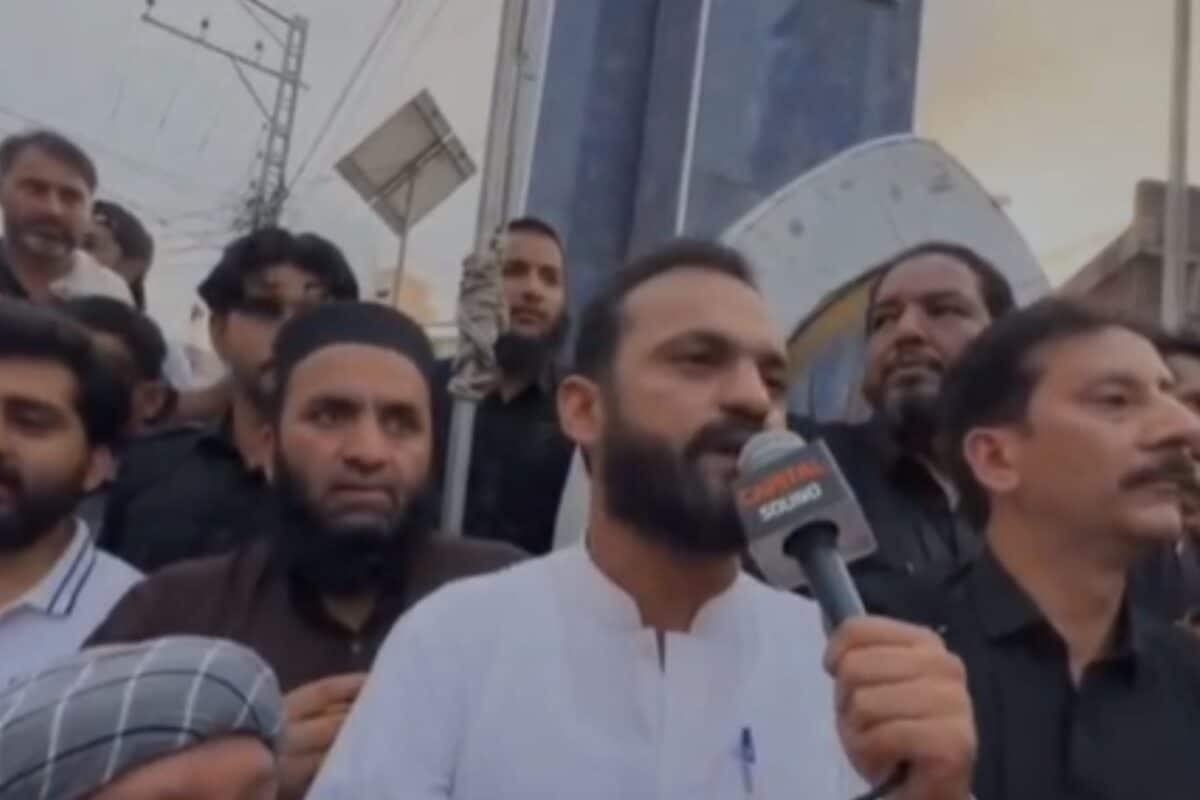
Tensions spike as Islamabad deploys military forces and bans the Joint Awami Action Committee ahead of planned June 9 protests.
A climate of fear has gripped Pakistan-occupied Kashmir (PoK) as major unrest brews in the region, with Pakistan cracks appearing in its administrative control following a violent down on JAAC activists. Late-night raids in Rawalakot resulted in the death of Shahzaib Habib, a prominent member of the Jammu Kashmir Joint Awami Action Committee (JAAC), while seven others sustained injuries. The escalation follows the committee’s firm call for an indefinite strike beginning June 9 to protest against systemic grievances.
Military Mobilization and Administrative Bans
In an effort to preempt the planned mobilization, authorities have moved to dismantle the organizational structure of the movement. The PoK administration has officially banned the JAAC under anti-terror legislation, a move that critics argue is designed to silence legitimate dissent. Security agencies have intensified their presence, with a massive deployment of Pakistan Army and Rangers personnel fanning out across Muzaffarabad, Mirpur, and Kotli. Intelligence reports indicate that a curfew set to be imposed across key districts is imminent, as officials attempt to stifle the growing agitation.
Communication Blackouts and Travel Advisories
The authorities have resorted to familiar tactics to isolate the region, with cellular and internet services suspended across multiple districts. Beyond the digital blackout, the administration has issued urgent "leave immediately" advisories to tourists, effectively halting all commercial tourism activity in the region. This aggressive posture underscores the gravity with which Islamabad views the current unrest, fearing that the JAAC’s call for a strike could spiral into widespread civil disobedience that might challenge the military-backed administration’s authority.
A Wider Pattern of Suppression
The current crackdown is being viewed by regional observers as part of a broader, more muscular security doctrine being implemented under the current military leadership. Recent reports from the region have consistently pointed toward systemic electoral engineering, particularly in Gilgit-Baltistan, where the military has been accused of facilitating the rise of sympathetic candidates at the expense of local political movements. By treating the JAAC as an existential threat rather than a political entity, the state risks further alienating a population already weary of economic and political disenfranchisement.
As the June 9 deadline approaches, the situation remains fluid and highly volatile. With the military tightening its grip and the JAAC leadership facing arrests and violence, the region sits on a powder keg. For now, the administration’s strategy of force appears aimed at total suppression, yet the history of such movements in the region suggests that the crackdown may only serve to deepen local resentment against the central authority.
The PoliticalPedia Editorial Desk brings verified, sourced political news and analysis from across India.