Madras High Court: Dumping foreign trash on Bharat Mata is an act of ‘deshdroh’
‘Throwing trash on Bharat Mata deshdroh’: Madras High Court slams ‘import’ of waste
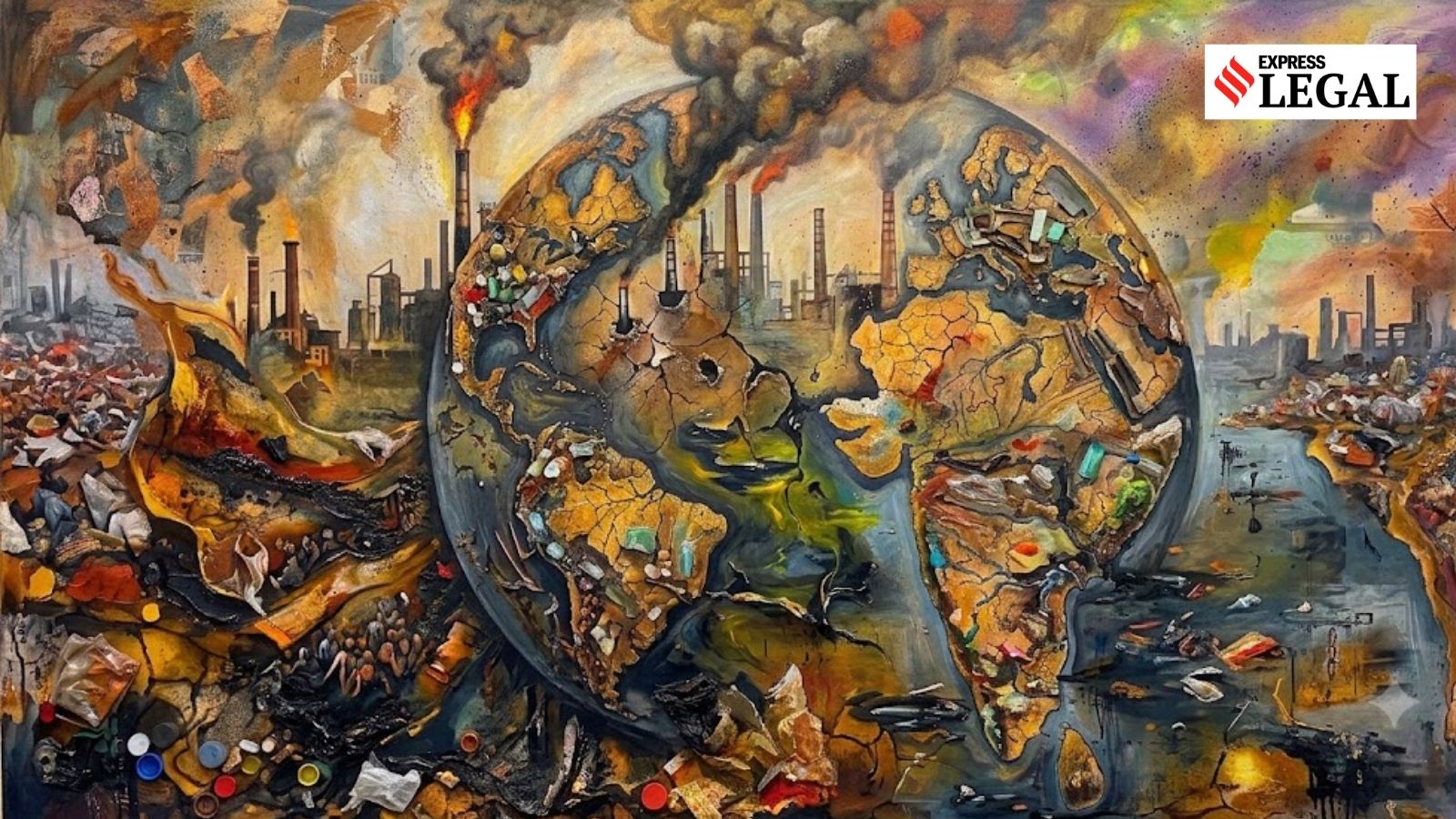
A sharp judicial rebuke underscores the growing crisis of ‘waste colonialism’ as Indian ports become dumping grounds for illegal municipal debris.
When a consignment labeled as "Waste Paper – News & Pams" arrived in India from Canada back in 2022, it was supposed to be raw material for Sripathi Paper and Board Pvt. Ltd. Instead, when the Directorate of Revenue Intelligence (DRI) pried open the containers, they didn’t find recyclable paper. They found the discarded remnants of a foreign lifestyle: street sweepings, used PET bottles, broken glass, and food-stained packaging.
The Madras High Court recently heard the fallout of this case, and Justice D. Bharatha Chakravarthy didn’t mince his words. Observing that the import of such municipal solid waste is a flagrant violation of the Customs Act and international treaties, the court labeled the act of dumping such refuse on Indian soil as deshdroh—an act against the nation.
The mechanics of ‘Waste Colonialism’
The case highlights a grim global pattern often described as "waste colonialism." Developed nations frequently export their environmental burdens to the Global South under the guise of trade. For Sripathi Paper and Board, the business model relied on importing waste paper, but the reality was a toxic mix of municipal debris that violated the Hazardous and Other Wastes (Management and Transboundary Movement) Rules, 2016.
After the Tamil Nadu Pollution Control Board confirmed the nature of the cargo, the company faced a heavy penalty and a mandate to re-export the waste at its own cost. The firm’s subsequent attempts to sidestep these charges, citing financial strain and requesting permission to incinerate the waste locally or ship it to Dubai, were met with the court’s firm stance. The judiciary made it clear: the environmental integrity of the country cannot be traded for corporate convenience.
Why it matters
This ruling is a significant shot across the bow for industries that treat Indian borders as a convenient loophole for waste disposal. Beyond the specific legal breach, it exposes a systemic weakness where foreign companies offload their ecological debt onto developing countries.
If this trend continues unchecked, India risks becoming a permanent landfill for the developed world’s consumption. By framing this as a national issue, the court is shifting the narrative from a mere customs violation to a matter of environmental sovereignty. For businesses, the message is simple: due diligence is no longer a suggestion—it is the baseline for national compliance. The era of treating the country as a global dumping ground is facing a hard, judicial reset.
Ananya Iyer covers global affairs with an Indian lens for PoliticalPedia.