LPG Prices Rise Amid Iran War, Yet India’s Cooking Gas Costs Remain Among Lowest
LPG Prices Rise Amid Iran War, Yet India's Cooking Gas Costs Remain Among Lowest
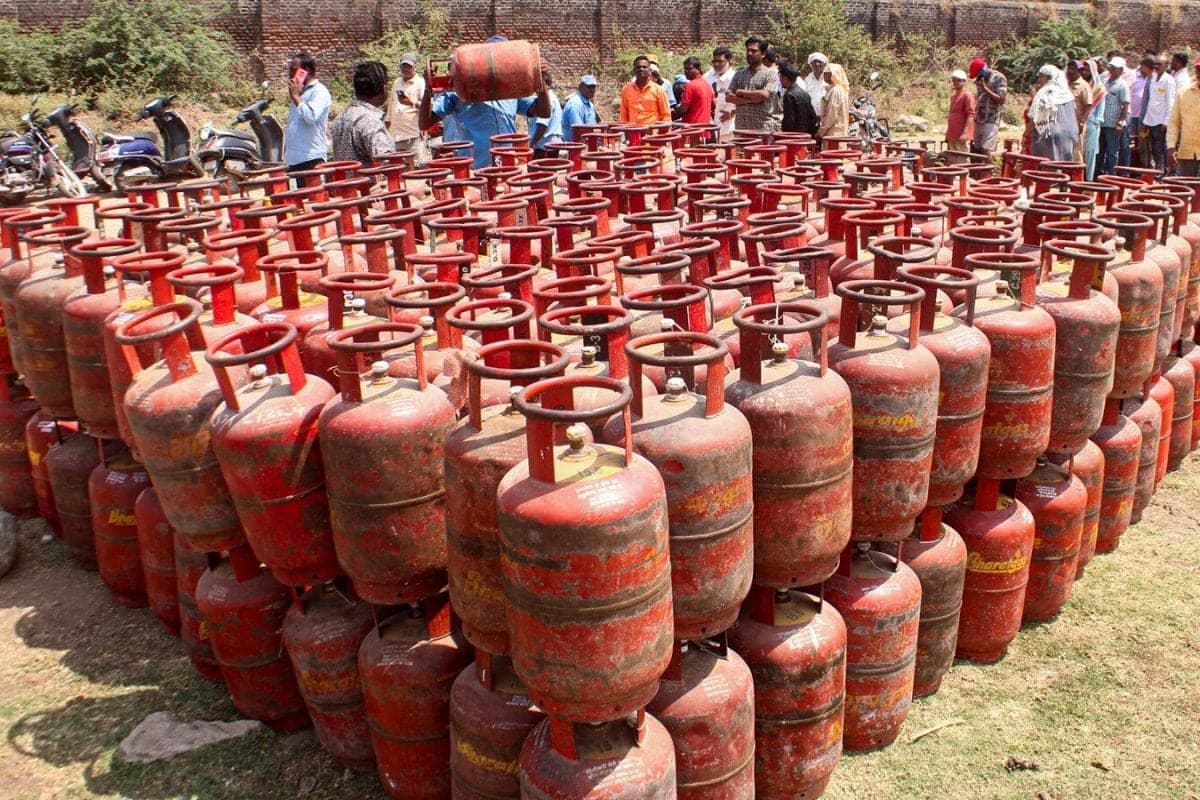
While the ongoing West Asian conflict has sent global energy markets into a tailspin, domestic fuel consumers in India continue to receive significant government-backed protection.
The escalation of the Iran war has sent shockwaves through global energy markets, forcing oil marketing companies to adjust domestic rates to account for soaring crude costs. In Delhi, the price of a standard 14.2-kg domestic LPG cylinder has risen to Rs 942, up from Rs 913. While this uptick reflects the broader economic instability caused by the effective closure of the Strait of Hormuz—a vital maritime artery for one-fifth of the world’s gas and oil supplies—the burden on the Indian household remains significantly lower than the actual cost of procurement.
The Subsidy Buffer
Despite international prices climbing, the Ministry of Petroleum and Natural Gas reports that the cost to supply a single cylinder now exceeds Rs 1,600. The government has attempted to shield the average citizen from this volatility. Pradhan Mantri Ujjwala Yojana (PMUY) beneficiaries, in particular, remain insulated; with a direct benefit transfer of Rs 300 per cylinder for the first four refills annually, their effective cost is reduced to just Rs 642. Even for non-PMUY consumers, the current market price stays roughly Rs 700 below the actual landing cost, as public sector marketing companies absorb approximately Rs 60,000 crore to prevent a full pass-through of market rates to the public.
Global Volatility and Local Impact
The ripple effects of the conflict, which has seen damage to critical infrastructure and disruption of maritime transit, have created a complex landscape for India’s energy sector. While domestic cooking gas remains one of the most affordable globally, other sectors are showing strain. Reports indicate that commercial LPG prices have seen steeper hikes, and industries—particularly steel—are grappling with fuel shortages. Furthermore, the aviation sector has faced record-high jet fuel prices, highlighting the disproportionate impact the crisis is having on different segments of the economy.
Balancing Growth and Energy Security
Government strategy has been a careful balancing act: maintaining fuel price stability where possible while navigating the risks of a long-term energy crunch. While diesel and petrol rates have largely remained steady, the government has moved to secure new supply chains and is engaging in active diplomacy with regional powers to mitigate the impact of the Middle East oil shock. As the conflict continues to drive oil prices higher, the state’s ability to sustain this massive subsidy cushion will remain a primary focus for economists monitoring India’s high-growth trajectory.
The PoliticalPedia Editorial Desk brings verified, sourced political news and analysis from across India.