Love Across the Line: The PoK Man Who Crossed the LoC for a Valentine
Driven By Love, Divided By Border: PoK Man Who Crossed LoC For Lover Sent Back
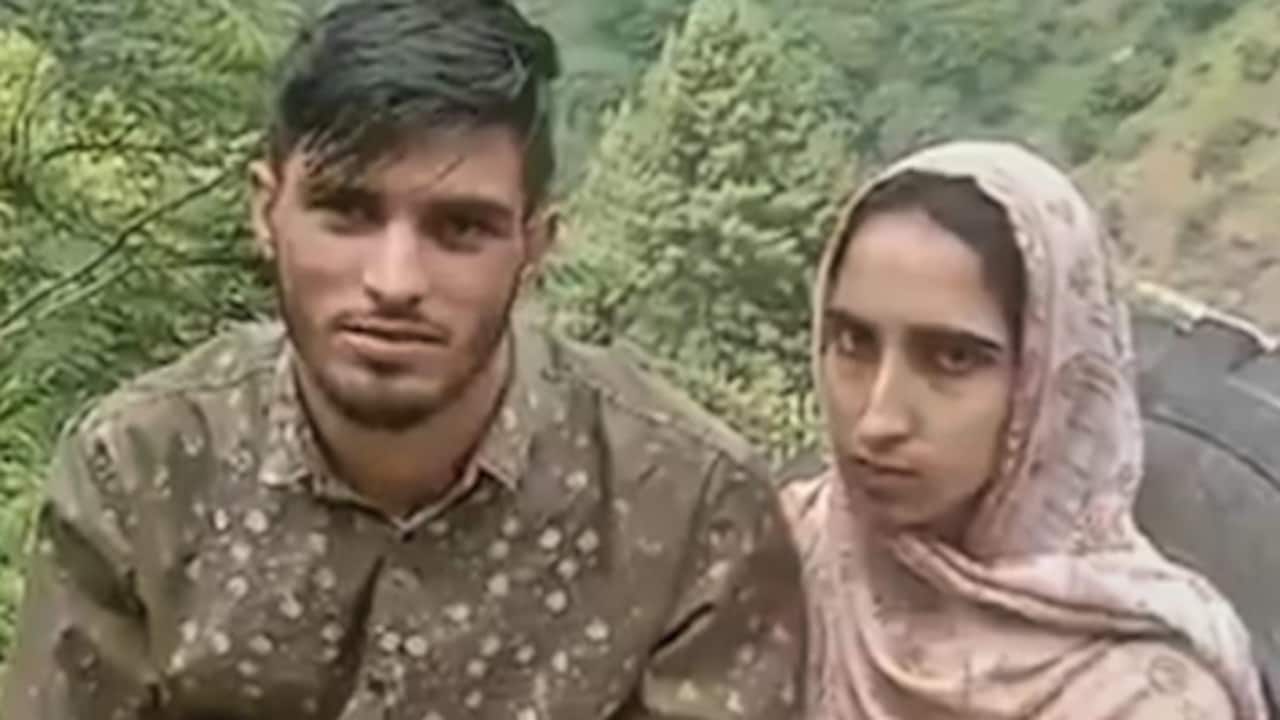
An unauthorized crossing in the Uri sector highlights the persistent human cost of a heavily militarized frontier.
The Line of Control (LoC) is perhaps the most scrutinized border in the world, a landscape of razor wire and thermal sensors where every movement is treated as a potential security breach. Yet, for a young man from Pakistan-occupied Kashmir (PoK), these obstacles were merely a backdrop to a personal mission. Driven by love and divided by border, the man recently attempted an audacious crossing into the Uri sector of Jammu and Kashmir, hoping to reach a partner he had fallen for across the divide.
His journey, however, was short-lived. Alert to any movement in the high-altitude terrain, the Indian Army apprehended the individual shortly after he made his way across the boundary. While such incidents often trigger immediate alarm bells regarding infiltration, the subsequent interrogation revealed a narrative far removed from state-sponsored aggression. The man, it appears, was a civilian following a romantic impulse rather than a tactical objective.
The Reality of the Border
Following standard operating procedures for such sensitive zones, the authorities did not initiate a prolonged detention or criminal trial. Instead, the focus remained on identifying his intent. Once the security establishment verified that he was unarmed and possessed no hostile motives, the administrative machinery shifted toward repatriation. The man who crossed the LoC for his lover was sent back across the border, closing a brief but precarious chapter in the history of cross-border misadventures.
This incident serves as a poignant reminder of how the LoC functions as a physical scar in the lives of ordinary people. While the military and diplomatic spheres view the region through the lens of strategic stability, for the families and individuals living in the shadow of these mountains, the border is a tangible barrier to human connection.
Why it matters
Why does this matter? Beyond the immediate security protocols, these stories reflect the enduring, often tragic, human geography of the subcontinent. Every time a civilian is caught in this "no man's land," it forces a brief, uncomfortable intersection between national security imperatives and the raw, irrational nature of human relationships.
The fact that this individual was sent back rather than prosecuted shows a pragmatic approach by the security establishment. It distinguishes between a genuine infiltrator and a misguided civilian. Yet, the frequency of such cases—driven by everything from social media connections to long-distance romance—suggests that the border remains a site of perpetual vulnerability. As long as the physical boundary remains, the dream of crossing it for love will likely continue to lead people into the clutches of the very security apparatus that makes such crossings impossible.
Arjun Mehta reports on government, policy and Parliament for PoliticalPedia, in English and Hindi.