Legal Setback: Kerala High Court Judge Recuses from Actor Assault Memory Card Probe
Kerala actor rape case: High Court judge recuses from survivor’s plea on memory card access probe
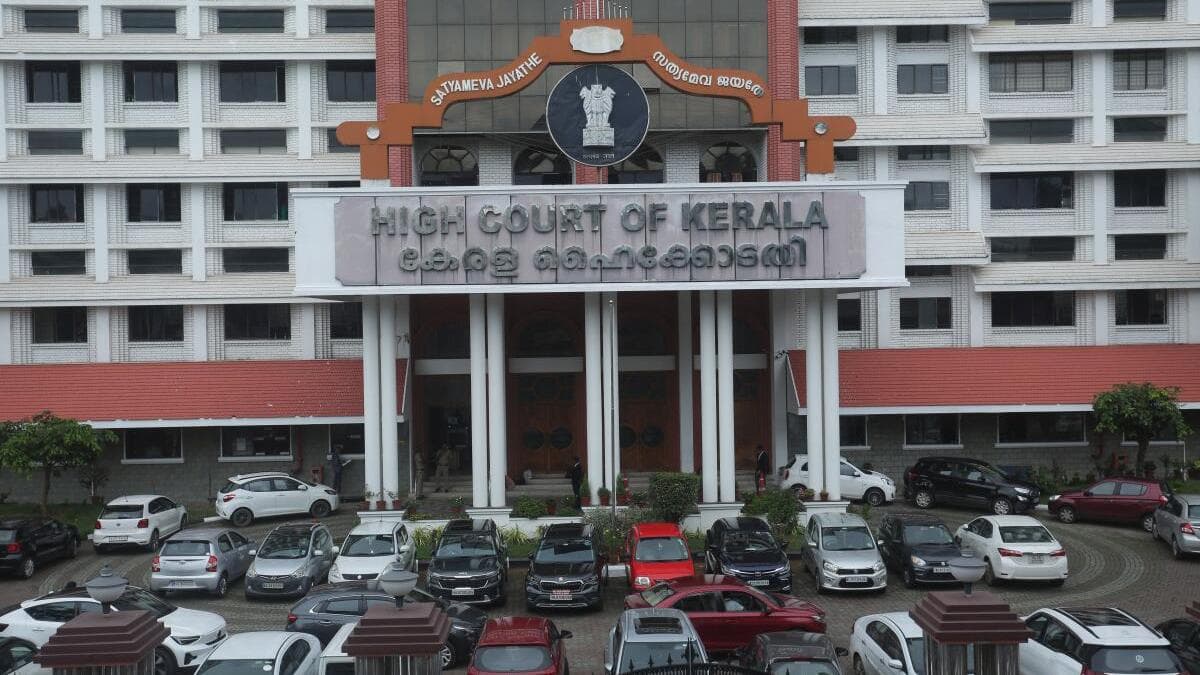
The survivor's fight for justice in the high-profile actor assault case faces yet another procedural delay after a judge steps away from the hearing.
The ongoing legal saga involving the 2017 abduction and assault of a prominent Malayalam actor has hit a fresh hurdle. In a development that adds to the procedural uncertainty surrounding the case, a judge at the Kerala High Court has recused themselves from hearing a plea filed by the survivor. The petition specifically sought a court-monitored investigation into the unauthorized access and alleged leakage of sensitive visuals stored on a memory card—a key piece of evidence in the trial.
A Case Defined by Delays
For those following the case, this latest withdrawal is just one chapter in a long, arduous journey through the judicial system. The legal battle, which has captivated the public and dominated headlines for years, centers on allegations of a conspiracy involving powerful figures in the film industry, including actor Dileep. As the trial progresses, the focus has frequently shifted from the primary assault to the integrity of the evidence itself, specifically how the digital data containing the assault footage was handled while in judicial custody.
The survivor has consistently argued that the illicit viewing and potential circulation of the footage violate her right to privacy and compromise the fairness of the trial. Her latest plea sought to move beyond internal inquiries, pushing for a more rigorous investigation into how the hash value of the memory card changed while it was secured as an exhibit.
Why it Matters: The Erosion of Trust
This recusal highlights a recurring tension in high-stakes criminal trials: the struggle to balance institutional transparency with the personal rights of a victim. When judges step away from sensitive matters, it inevitably triggers questions about the pace of justice. In a state where the public consumes news through a wide array of mediums—from digital newsletters to traditional broadsheets—the optics of such delays can be damaging.
The bigger picture here is the systemic challenge of handling digital evidence in Indian courts. As the legal system grapples with the complexities of modern forensic data, the case serves as a litmus test for how the judiciary protects victims when evidence becomes a point of contention rather than just a tool for conviction. If the integrity of the evidence is questioned, the credibility of the entire judicial process is at stake.
Moving Forward
The case has long been a lightning rod for discussions on gender safety and power dynamics within the regional film industry. With the High Court now needing to assign the plea to a new bench, the survivor remains in a state of limbo. While the court’s administrative procedures—often categorized under various sections of the law—are standard, the human cost of these delays remains significant. As the legal community awaits the next move, the case serves as a stark reminder that for victims of sexual violence, the courtroom itself can become a site of prolonged secondary trauma.
World Desk at PoliticalPedia covers global affairs for an Indian audience in English and Hindi.