Legal Sanctity vs. Persistence: High Court Quashes Criminal Case After Alimony Settlement
'Harassment': Court on wife pursuing case after Rs 20L alimony against husband
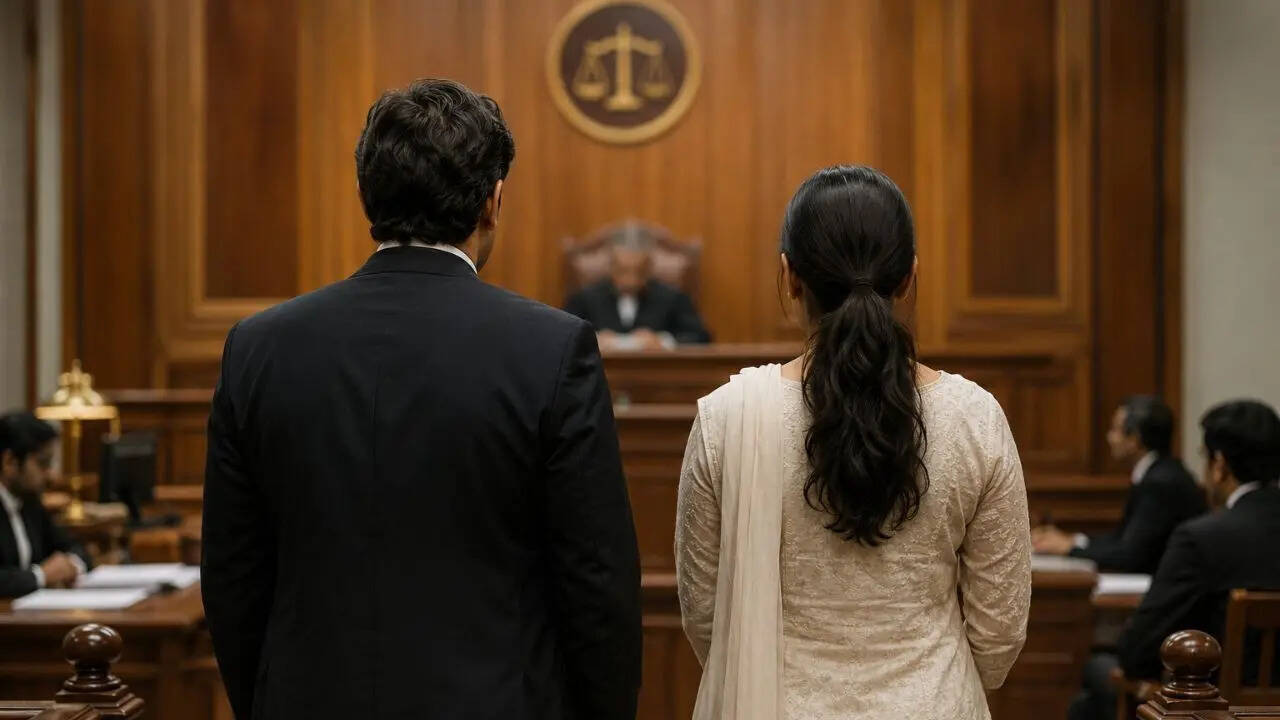
The Rajasthan High Court has ruled that continuing criminal proceedings post-divorce settlement amounts to an abuse of the judicial process.
The courtroom is designed to provide closure, but for one Jaipur family, the legal battle dragged on long after the ink had dried on their divorce decree. Satyapal Sharma, 65, and his wife Sita Devi, 62, recently found relief from the Rajasthan High Court, which quashed a years-long criminal case filed against them by their former daughter-in-law, Prachi. The court’s order serves as a sharp reprimand against the use of the judicial system as a tool for post-marital leverage.
The dispute began in 2013, four years into the marriage, when Prachi filed an FIR against her husband and his parents, alleging offences under various sections of the IPC, including 498A (dowry harassment) and 406 (criminal breach of trust). For years, the family faced the looming threat of a criminal trial. It wasn't until 2019 that a family court dissolved the marriage, a decision later solidified by a high court-brokered compromise in 2024, which included a permanent alimony payment of Rs 20 lakh to the complainant.
A "Somersault" in Court
Despite the finality of the divorce decree signed in February 2025 and the receipt of the settlement amount, the criminal case remained active. Justice Anoop Kumar Dhand noted that even after receiving the funds, the complainant failed to appear before the trial court to record her evidence, ignoring multiple summons. The court observed that the woman, having accepted the benefits of a compromise, could not "take a somersault" to keep the criminal proceedings alive.
By continuing the case after the marriage was legally dissolved and the financial terms met, the court ruled that the complainant was no longer seeking justice, but rather engaging in the harassment of the elderly couple. The ruling effectively halts a cycle of litigation that had seen no substantive progress since 2018.
Why it matters
This case highlights a growing judicial trend where courts are increasingly scrutinizing the "misuse" of anti-dowry and matrimonial laws. When parties enter into a formal compromise—often involving significant financial alimony—the courts expect that all associated criminal litigation will be withdrawn. The Rajasthan High Court’s stance is a clear signal that the judiciary will not allow its time to be consumed by personal vendettas once a legal settlement has been reached. It reinforces the principle that settlement agreements are not merely transactional, but are meant to provide a clean break for all parties involved, shielding them from the persistent stress of prolonged criminal trials.
Arjun Mehta reports on government, policy and Parliament for PoliticalPedia, in English and Hindi.