Kitchen Budgets Under Pressure: LPG and Commercial Cylinder Rates Surge Across Major Cities
LPG, PNG prices June 11, 2026: Check domestic, commercial cylinder rates in Delhi, Mumbai, Bengaluru
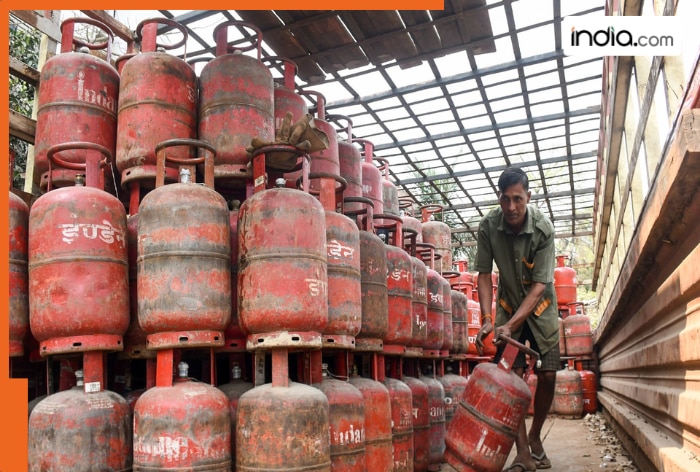
Rising fuel costs continue to pinch pockets as domestic and commercial LPG prices climb in key metropolitan hubs this June.
For the average Indian household, the kitchen budget is feeling the heat once again. As we track the latest market updates for June 11, 2026, the sustained volatility in energy prices remains a dominant theme. While the government has moved to provide some relief by waiving excise duty on blended petrol—specifically targeting E22 through E30 ethanol-blended variants—this policy shift stands in stark contrast to the persistent upward trend in Liquefied Petroleum Gas (LPG) and Piped Natural Gas (PNG) rates.
The financial burden is twofold. Domestic cylinders have seen a steady creep in pricing, placing a direct strain on household savings. Simultaneously, commercial cylinders have faced significant hikes, most recently jumping by ₹42, a move that is already rippling through the hospitality and small-business sectors.
City-wise Price Snapshot
The impact of these revisions varies across the country. In Delhi, domestic cylinders are currently retailing at ₹942, while Mumbai residents are paying ₹941.50. Bengaluru and Hyderabad face higher costs, at ₹944.50 and ₹994 respectively. Chennai and Kolkata are seeing rates at ₹957.50 and ₹968.
Commercial cylinder rates, which are often a bellwether for inflation in the services sector, show an even sharper divide. Prices currently range from ₹3,067.50 in Mumbai to a staggering ₹3,367 in Hyderabad. Meanwhile, PNG prices remain relatively stable across major hubs, hovering around the ₹48 to ₹52 per SCM mark.
Why it Matters: The Bigger Picture
This cycle of price revisions highlights a delicate balancing act for policymakers. By incentivizing ethanol-blended fuels through excise waivers, the government is signalling a pivot toward long-term energy security and a reduced carbon footprint. However, the immediate reality for the common man is the rising cost of cooking fuel.
When essential energy costs—like LPG and PNG—rise, it often triggers a secondary inflationary effect on food and services. For small businesses, particularly restaurants, the increased cost of a 19-kg commercial cylinder is difficult to absorb, often leading to menu price hikes that eventually land on the consumer’s plate. As we monitor these fluctuations throughout June, the primary concern remains whether the relief measures in the transport sector will eventually extend to the kitchen to provide a comprehensive cushion against global commodity volatility.
Arjun Mehta reports on government, policy and Parliament for PoliticalPedia, in English and Hindi.