The Burgenstock Breakdown: Why Iran Walked Out Of Switzerland Talks Leaving JD Vance At The Table
‘No Negotiation Under Threat’: Why Iran Walked Out Of Switzerland Talks Leaving JD Vance At The Table
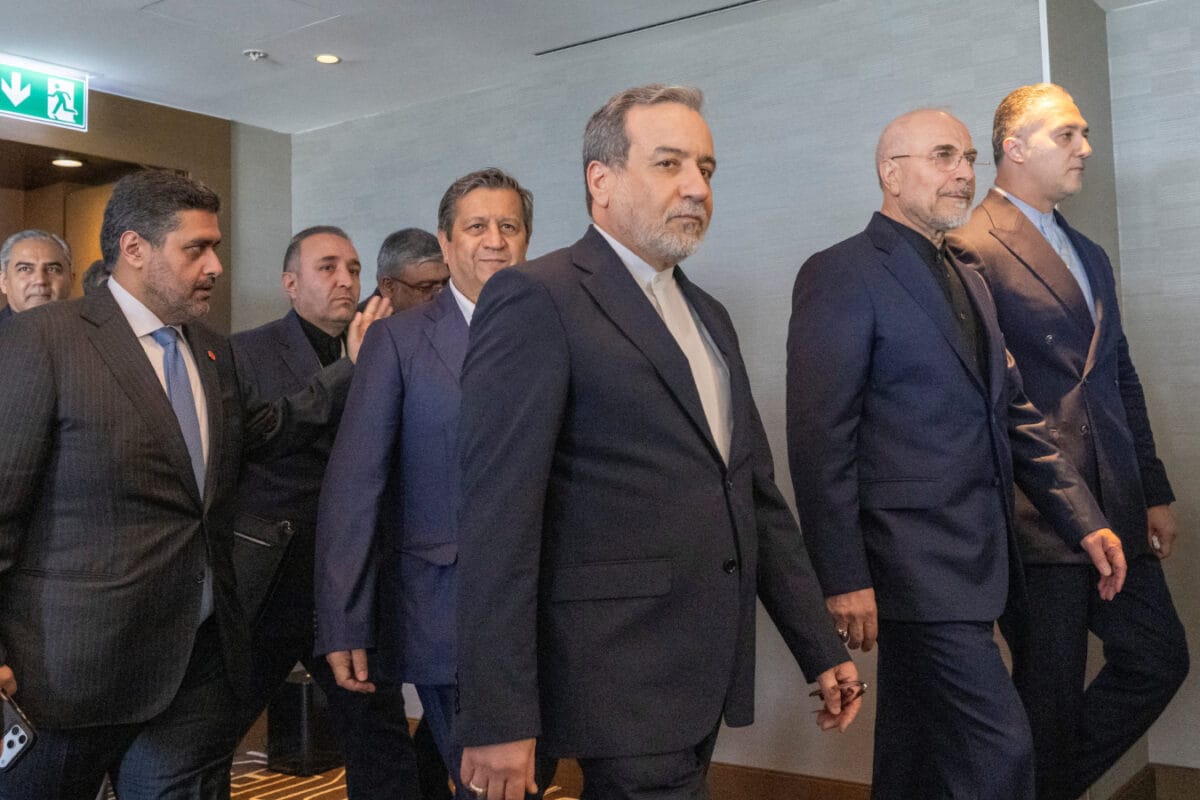
A high-stakes diplomatic effort at the Burgenstock resort hit a wall of volatility as Iranian officials abandoned proceedings, citing aggressive rhetoric from the White House.
The scene at the Burgenstock resort in Switzerland was meant to be a display of cooling regional tensions, but the atmosphere turned icy by Sunday afternoon. As the Iranian delegation packed its bags and skipped a scheduled photo opportunity, the primary question echoing through the halls—and across global markets—was simple: why did Iran walk out of Switzerland talks, leaving JD Vance at the table? The answer, according to Iranian Parliament Speaker Mohammad Bagher Ghalibaf, lies in a fundamental breach of trust sparked by Washington’s own rhetoric.
The Trigger: Threats Over Diplomacy
The breakdown occurred when news reached the Iranian team that US President Donald Trump had issued fresh threats targeting Iran’s president, its negotiating team, and hinting at potential strikes on Iranian soil. Ghalibaf did not mince words when confronting the US side. He confirmed that he personally challenged JD Vance, who was leading the American effort, regarding the violation of the Islamabad Memorandum of Understanding (MoU). That agreement explicitly mandates that negotiations proceed without coercion or external threats—a clause Tehran claims was shredded by Trump’s latest outburst.
"We never negotiate under threats or pressure," Ghalibaf stated, explaining why the delegation chose to vacate the venue rather than continue the facade of diplomacy. While the US delegation attempted to salvage the situation through Qatari and Pakistani mediators, the Iranians held their ground, refusing to return to the table while the verbal attacks remained on the table.
Conflicting Narratives
The optics of the departure have created a fractured narrative. While state media in Tehran reports a clean break, other accounts—including some from the US side—suggest that despite the theatrical exit, back-channel discussions continued well past midnight. Vance has reportedly touted the sessions as having "encouraging progress," attempting to project a sense of stability even as his Iranian counterparts publicly slammed the door.
This disconnect highlights the precarious nature of the Islamabad MoU. On one hand, there is a push to unlock $24 billion in frozen assets and manage regional flashpoints like the Strait of Hormuz; on the other, the volatile communication style emanating from Washington continues to act as a destabilizing force that threatens to derail years of delicate groundwork.
The Bigger Picture
Why this matters is clear: the incident exposes the deep fragility of the current diplomatic framework. When the personal style of a head of state contradicts the official policy of a negotiating team, the result is a "stop-start" cycle that leaves global investors and regional stakeholders in limbo. For India, which maintains critical strategic and energy interests in the region, such volatility is a cause for concern. The inability of the US and Iran to insulate their talks from the noise of domestic posturing suggests that a lasting de-escalation remains elusive. Until both sides can align their public rhetoric with their private commitments, these high-level meetings risk being more about posturing than progress.
Rohan Gupta covers the economy, markets and companies for PoliticalPedia.