KGMU Probe: UP Government Forms Panel to Investigate Medicine Procurement Irregularities
UP government forms committee to probe KGMU drugs distribution ‘irregularities’
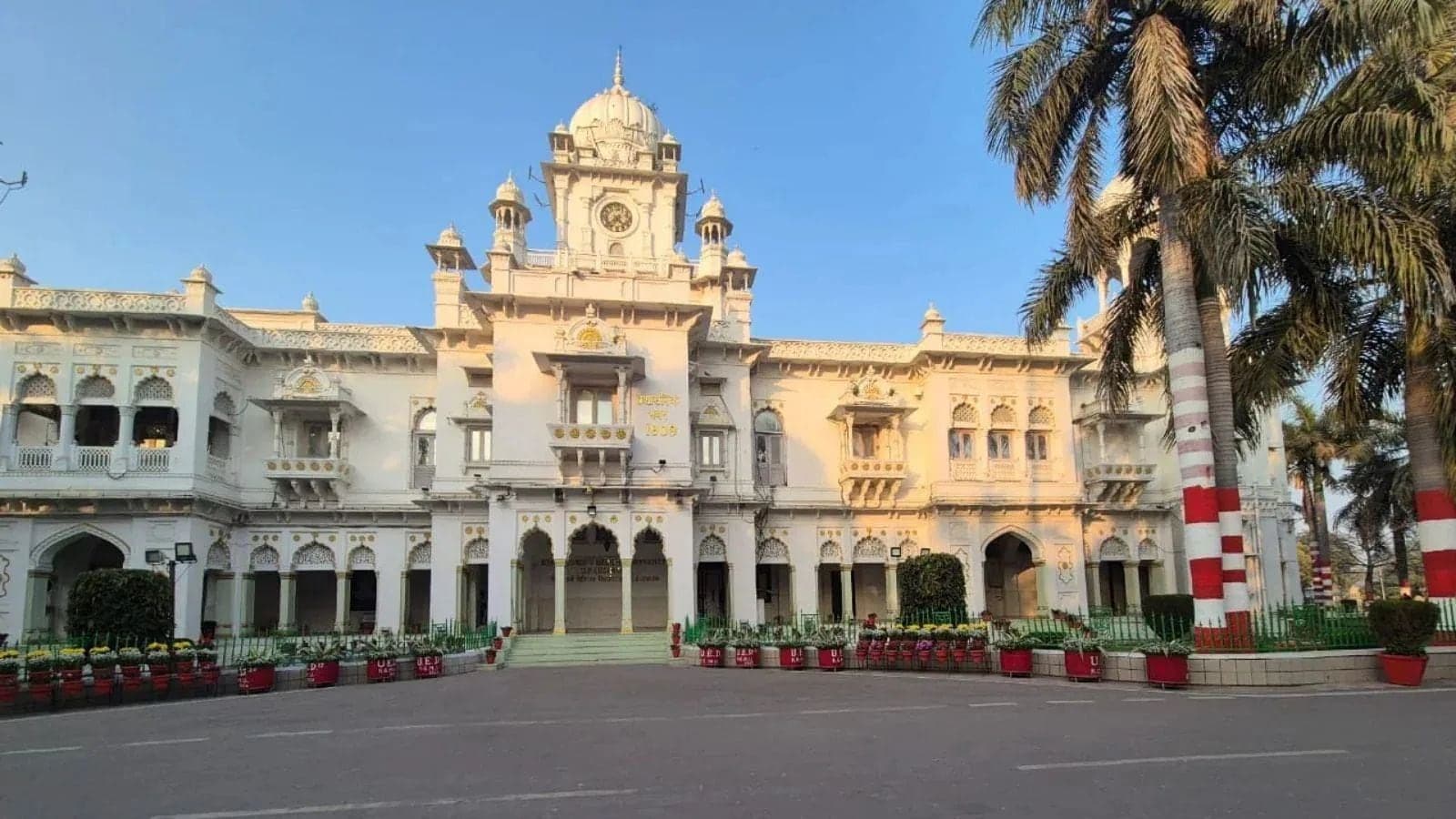
A high-level committee has been tasked with auditing financial discrepancies and potential data misuse involving government-funded drug distribution at Lucknow’s premier medical university.
The Uttar Pradesh government has launched a formal investigation into King George’s Medical University (KGMU) following the discovery of significant financial irregularities related to the distribution of medicines. Deputy Chief Minister Brajesh Pathak, who oversees the Health and Family Welfare portfolio, ordered the formation of a three-member committee to conduct a rigorous audit of the institution’s procurement and reimbursement processes. This probe comes amid growing concerns over a spike in claims under state-sponsored health schemes, which serve as a primary source for patient medication costs.
Uncovering the Paper Trail
The inquiry into the medical university began after the hospital’s Medical Superintendent flagged an unusual surge in reimbursement claims. Under current government protocols, KGMU provides essential treatment and drugs to eligible patients, with the state government later reimbursing the facility. Upon closer inspection, university officials discovered that the data integrity of the hospital’s software system may have been compromised. Prof. KK Singh, the university spokesperson and chairman of the inquiry committee, noted that sensitive patient details appeared to have been harvested from the digital system to facilitate fraudulent claims.
The administrative breakdown was identified across multiple touchpoints, specifically regarding the approval, issuance, and distribution of medicines. The investigation has already moved beyond internal reviews; on June 2, the KGMU Proctor’s Office formally requested that the Chowk police station register an FIR. The communication to law enforcement cited prima facie evidence of financial misconduct, potential losses to the state exchequer, and a systematic misuse of the hospital’s medication supply chain.
Accountability and Administrative Action
The university has already taken stern action against personnel linked to the departments where chemotherapy and other critical medicines are administered. Three contractual employees—Prakash Singh, Hemant Srivastava, and Sachin Tiwari—have been dismissed from their positions. Additionally, Arshad Wasi, a permanent pharmacist stationed at the IPD counter, has been placed under suspension. These steps reflect a broader attempt to stabilize administrative processes that have been under strain due to the alleged manipulation of patient records.
Government Oversight
The newly constituted state-level committee is led by the Additional Chief Secretary of Medical Education and includes the Director General and Secretary of Medical Education, alongside the Special Secretary of Medical and Health. The panel has been given a short window of two working days to submit its final report to the government. This rapid timeline underscores the severity of the situation, as the state seeks to protect the integrity of its medical reimbursement schemes and ensure that essential resources reach the intended beneficiaries rather than being siphoned off through administrative loopholes.
The PoliticalPedia Editorial Desk brings verified, sourced political news and analysis from across India.