Kerala’s Fiscal Health Under Scanner as White Paper Reveals ₹5.07-Lakh Crore Liability
White Paper puts Kerala’s liabilities at ₹5.07-lakh crore, CM says fiscal structure under ‘serious’ strain
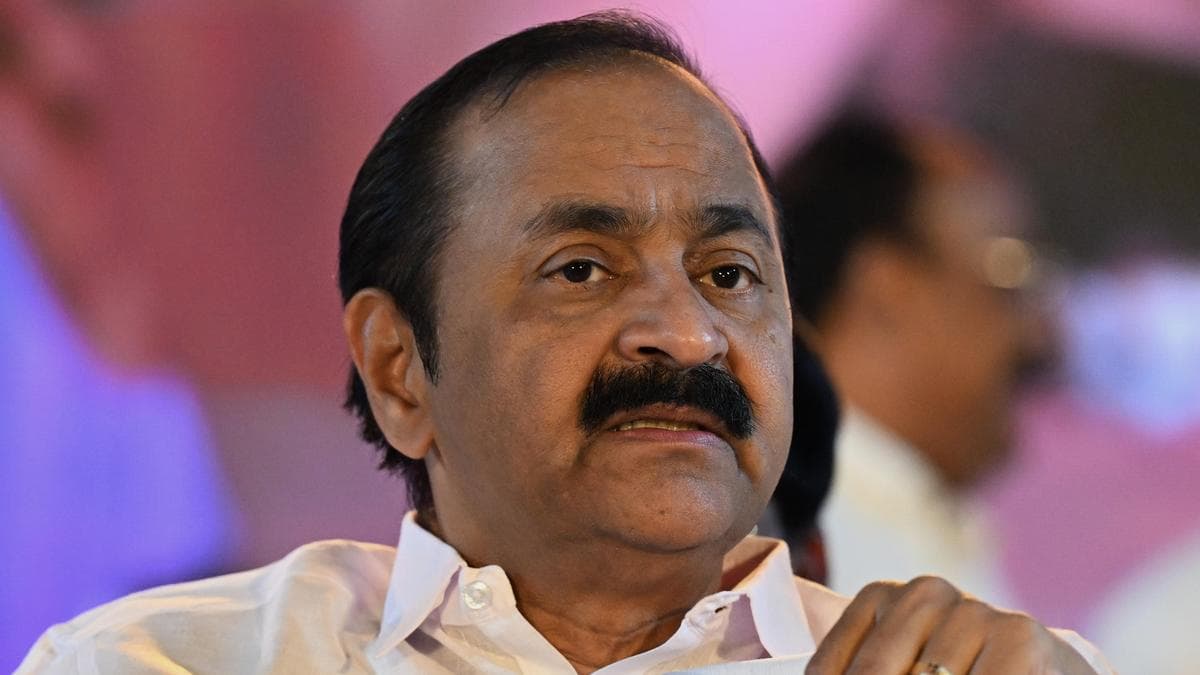
A newly tabled report warns of severe strain on the state’s finances, highlighting a narrow margin for development spending and calling for radical policy shifts.
The financial stability of Kerala has come under intense scrutiny following the tabling of a comprehensive white paper in the Legislative Assembly. The 195-page document, titled ‘Kerala’s Fiscal Health: A Status Report,’ paints a sobering picture of a state economy grappling with a mounting debt burden that has reached ₹5.07 lakh crore. Chaired by former Union Cabinet Secretary K.M. Chandrasekhar, the committee behind the report has urged an immediate re-evaluation of how public funds are managed to prevent a long-term economic stall.
A Narrow Fiscal Space
Chief Minister V.D. Satheesan, who currently oversees the finance portfolio, highlighted that the state’s financial structure is under significant pressure. The data reveals that outstanding liabilities now represent 35.5% of the Gross State Domestic Product (GSDP). Most concerning is the surge in committed expenditure—comprising pension obligations, interest payments, and salary bills—which consumed 77.6% of the total revenue receipts in the 2025-26 fiscal year.
This leaves the government with a very thin margin of roughly ₹23 for every ₹100 earned, which must cover critical sectors like public healthcare, education, infrastructure, and local governance. This stands in stark contrast to the national average of 46.4%, illustrating that Kerala’s spending obligations far outpace its peers.
Reforms for KIIFB and State Enterprises
A major highlight of the white paper is the push for a fundamental restructuring of the Kerala Infrastructure Investment Fund Board (KIIFB). Described in the report as a "parallel governance structure," KIIFB faces a complete overhaul, with recommendations calling for a forensic audit and the bringing of its accounts under strict budgetary control and oversight by the Comptroller and Auditor General (CAG).
Beyond infrastructure, the report suggests a departure from traditional state-led economic models. It advocates for a pivot toward the private sector to revitalize loss-making public enterprises and the power utility, the Kerala State Electricity Board. The committee emphasizes that given the state's acute resource shortages, creating an environment that invites substantial private investment is no longer optional but a necessity.
Looking Ahead
The financial outlook for the coming years remains precarious. The Chief Minister pointed to a projected shortfall of approximately ₹20,500 crore in central transfers for the 2026-27 period, attributing this gap to overly optimistic budget estimates prepared by the previous administration. As the government digests the findings of this detailed paper, the path forward appears likely to involve painful austerity measures and a significant reduction in the state’s direct role in various industrial sectors in favor of collaborative growth.
The PoliticalPedia Editorial Desk brings verified, sourced political news and analysis from across India.