Kerala Overhauls Paddy Procurement with New Cooperative-Led Model
Paddy procurement deal with public sector banks renewed, says Kerala Agriculture Minister
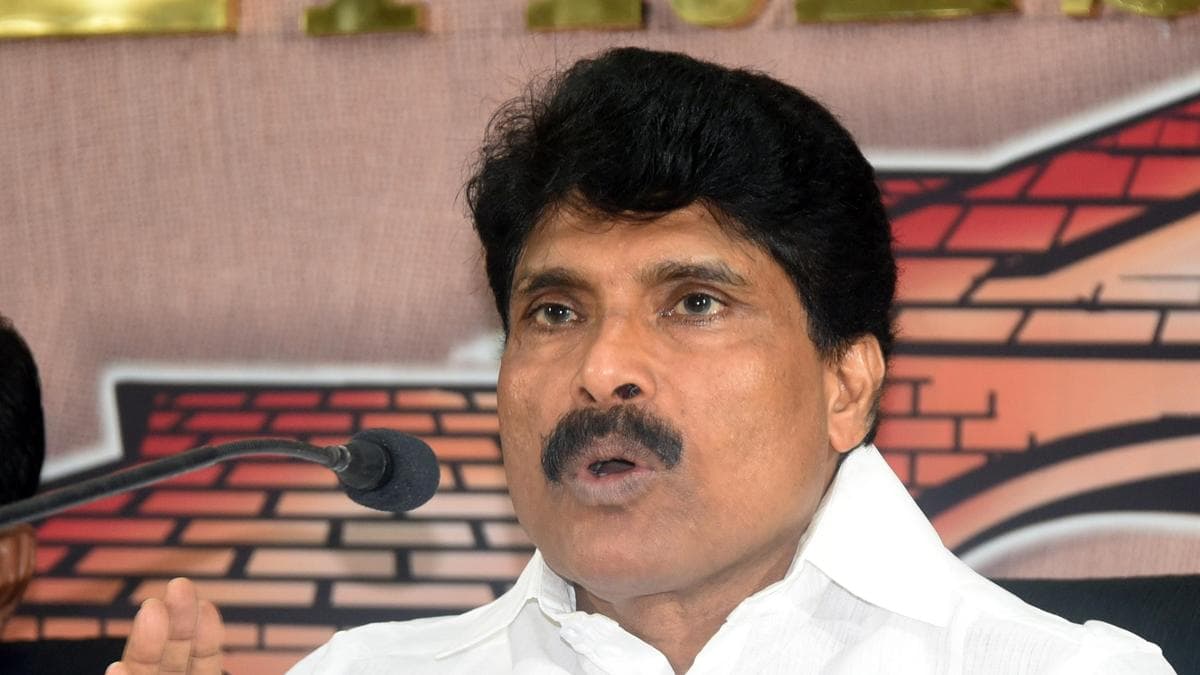
The state government is transitioning from bank-linked loan schemes to a two-tier, cooperative-centric system aimed at ensuring immediate payments to farmers and reducing procurement delays.
The Kerala government is set to fundamentally restructure its paddy procurement mechanism, moving away from the existing system of Paddy Receipt Sheet (PRS)-based bank loans. Under the new framework, the state will leverage a two-tier model that empowers Primary Agricultural Cooperative Societies to handle procurement directly from farmers. This shift, which follows a high-level meeting chaired by Chief Minister Pinarayi Vijayan, aims to address long-standing grievances regarding delayed payments and the financial stress faced by cultivators during the harvest season.
Shifting from Banks to Cooperatives
For years, the Kerala Civil Supplies Corporation (Supplyco) relied on public sector banks to extend loans to farmers, with the state government later repaying the principal and interest. However, chronic delays in these repayments have often left farmers in financial limbo. Under the new model, Primary Agricultural Cooperative Societies that are equipped for the task will purchase paddy directly, ensuring that farmers receive their dues immediately upon sale. To support societies that may lack the necessary working capital, the government has finalized a special financial assistance scheme through the Kerala Bank.
A Two-Tiered Infrastructure
The procurement process will operate through a structured hierarchy. At the local level, primary societies will collect the yield, while at the district or taluk level, nodal cooperative societies—comprising farmers, padasekhara samithis, and cooperative representatives—will oversee milling and distribution. By capturing the value chain, these nodal societies are expected to retain processing charges and by-products like bran and husk, which were previously accrued by private millers. This shift is also seen as a strategic step toward building a "Kerala Rice" brand, potentially stabilizing market prices and fostering long-term value addition in the state's agriculture sector.
Managing the Transition
While the long-term goal is a cooperative-led system, the immediate operational landscape remains complex. Recent reports indicate that while the UDF government had previously renewed agreements with public sector banks to maintain continuity, the state is simultaneously clearing existing dues. Plans are in place to clear outstanding liabilities to Supplyco with the help of a consortium of 58 primary cooperative societies. Furthermore, a district-level coordination committee, chaired by the respective District Collector, will oversee the roll-out to ensure that the transition does not disrupt the supply to the Public Distribution System (PDS).
Addressing Farmer Concerns
The government remains under pressure to reconcile the new system with existing challenges, such as moisture content disputes and pending crop loss compensation, which officials note has been stalled since 2021. Despite these hurdles, the Agriculture Minister has emphasized that the state remains committed to continuing the additional bonus for paddy farmers, explicitly rejecting calls to phase it out. By digitizing the monitoring process through a new portal and integrating the Kerala Bank into the financial backbone of the procurement cycle, the government intends to insulate farmers from the volatility that has historically defined the harvest season in regions like Kuttanad and Palakkad.
The PoliticalPedia Editorial Desk brings verified, sourced political news and analysis from across India.