Kerala Education Minister signals policy shift to ease Aadhaar requirements for migrant student admissions
Kerala Education Minister signals rethink on Aadhaar rule in school admissions
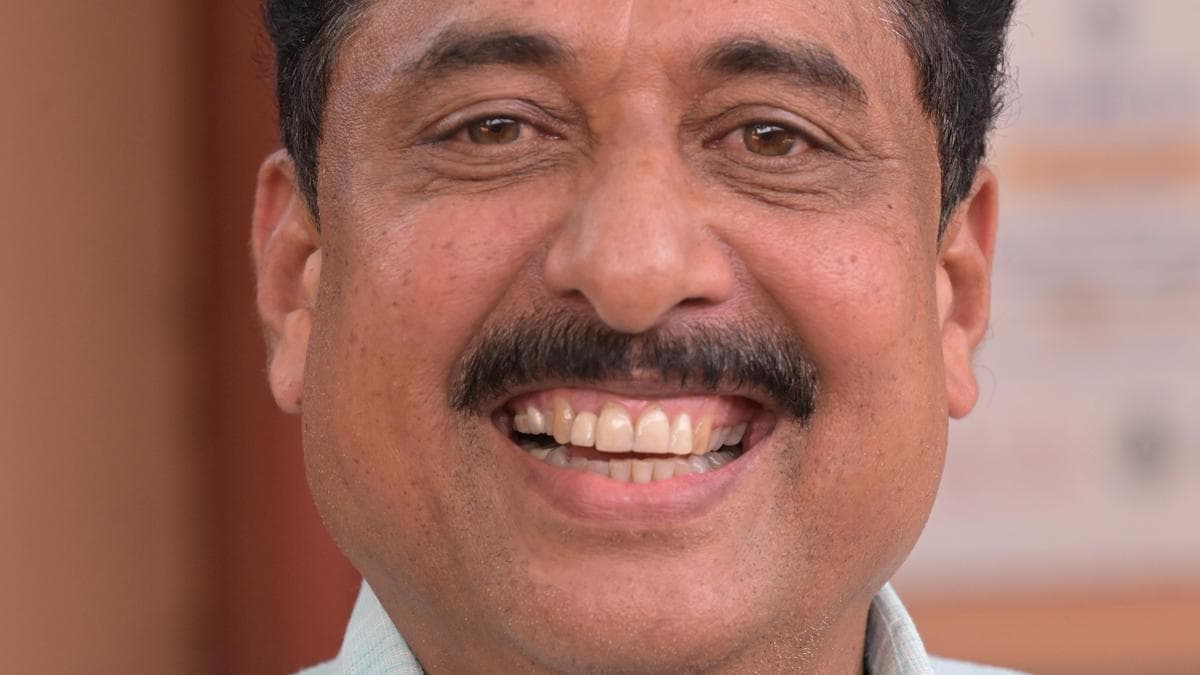
Following reports of widespread school admission denials, the state government is reconsidering the mandatory UID-based headcount to ensure migrant children are not excluded from classrooms.
The Kerala education department is preparing to overhaul its admission protocols after a rigid insistence on Aadhaar documentation resulted in scores of migrant children being turned away from schools. Education Minister N. Samsudheen has acknowledged that the mandatory Aadhaar-based headcount, conducted on the sixth working day of the academic year to track enrollment, has inadvertently created a barrier for vulnerable students. While the rule was originally implemented to prevent the duplication of student records to inflate school data, the Minister confirmed that the state is now actively exploring alternative verification methods.
The intervention follows a concerning trend highlighted by data from the Centre for Migration and Inclusive Development (CMID). In Ernakulam district alone, 88 out of 126 migrant children—hailing primarily from Assam and West Bengal and settled in industrial hubs like Perumbavur, Muvattupuzha, and Kothamangalam—were denied admission solely because they lacked a Unique Identification (UID) number. Reports suggest that similar exclusionary incidents have surfaced across other districts, prompting the department to re-evaluate the policy.
The struggle for documentation
For many migrant families living in Kerala, obtaining an Aadhaar card remains a logistical nightmare. Many children lack birth certificates due to home births, and their parents often struggle to produce the necessary foundational identity documents to facilitate enrollment. Without a UID number, these students are not only barred from formal classrooms but are also ineligible for state-sponsored welfare benefits, including free textbooks and uniforms.
Advocacy groups like CMID have formally petitioned Chief Minister V.D. Satheesan, arguing that denying admission based on documentation violates the Right of Children to Free and Compulsory Education (RTE) Act. The act guarantees free elementary education for all children aged 6 to 14, regardless of their origin or identity status. The Ernakulam Deputy Director of Education has already issued a directive to Assistant Educational Officers, mandating that no child be turned away for lack of an Aadhaar card while the policy review is underway.
A demographic necessity
Beyond the legal imperative, the integration of migrant children into the state’s school system is becoming a functional necessity. State Planning Board estimates suggest there are approximately one lakh migrant children currently residing in Kerala. As the state grapples with a decline in local student numbers due to shifting demographics, these children have become vital in maintaining teacher vacancies in government and aided schools.
Education experts note that the survival of many public institutions depends on stabilizing enrollment numbers, a goal that is directly undermined by exclusionary administrative hurdles. By revisiting the Aadhaar requirement, the government aims to balance the need for accurate administrative data with the fundamental human right to education, ensuring that the next generation of students in Kerala is not left behind due to the lack of a digital identifier.
The PoliticalPedia Editorial Desk brings verified, sourced political news and analysis from across India.