Karti Chidambaram Sees Future for Congress-DMK Cooperation in Parliament Despite State-Level Rift
Congress and DMK can still work together in Parliament, says Karti P. Chidambaram
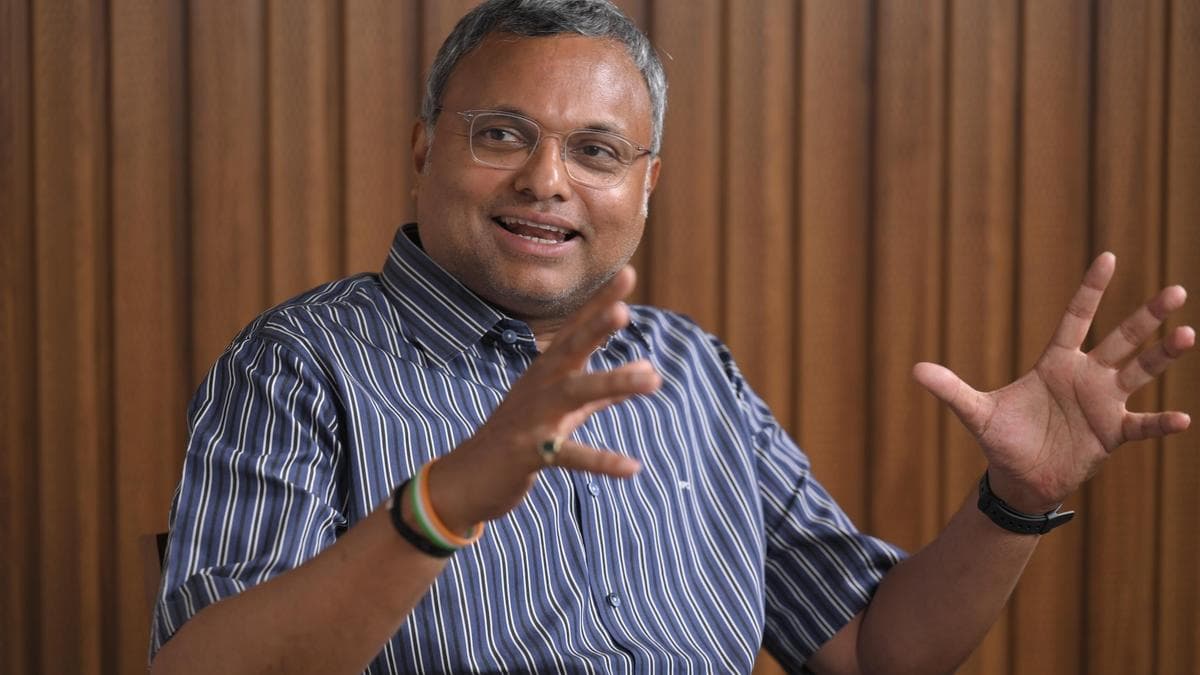
As the Congress navigates a shifting political landscape in Tamil Nadu, the Sivaganga MP suggests that national unity within the INDIA bloc may survive local electoral friction.
The long-standing political marriage between the Congress and the DMK in Tamil Nadu appears to be entering a complex new phase. With the Congress signaling its intent to exit the DMK-led alliance following the 2026 Assembly elections, Sivagaram MP Karti Chidambaram has moved to clarify that this regional pivot does not necessarily spell the end of their cooperation in Parliament. Drawing parallels to national-level dynamics, he noted that the Congress maintains functional working relationships with parties like the CPI(M) and the Trinamool Congress in the Lok Sabha, even while remaining fierce rivals in their respective home states.
A Ground-Level Disconnect
The decision to eventually part ways with the DMK, according to Karti Chidambaram, stems from persistent frustrations at the grassroots level. While the two parties have historically managed to secure electoral victories together, the Congress representative described the relationship as marred by "step-brotherly treatment." He pointed to a lack of genuine power-sharing during local body elections as a primary catalyst for the Delhi high command’s directive to seek a new long-term political trajectory in the state.
Despite this, the current seat-sharing arrangement remains a reality. Following a period of backchannel diplomacy that bridged the divide, the DMK has allotted the Congress 28 seats and one Rajya Sabha berth for the upcoming polls. Mr. Chidambaram acknowledged that being part of the state government for the first time since 1967 is a positive development, yet he stressed that the long-term viability of any alliance depends entirely on whether there is a fair division of power and a tangible bond between party workers on the ground.
Navigating the TVK Factor
The emergence of the Tamilaga Vettri Kazhagam (TVK), led by actor-turned-politician C. Joseph Vijay, has added a layer of intrigue to the state's political calculus. While some analysts, as reported by outlets like The New Indian Express and The News Mill, have speculated about the potential for new alliances, Mr. Chidambaram remained cautious yet optimistic. He labeled the TVK as "secular" and emphasized that the Congress would monitor how the party’s ideology evolves as Mr. Vijay begins to articulate his positions on critical issues.
National Implications and Parliamentary Strategy
The tension between state-level competition and national unity is a recurring theme for the Congress. Mr. Chidambaram’s comments highlight a "sober" approach to political strategy: the ability to be a fierce challenger in Tamil Nadu while remaining a reliable partner in the Indian Parliament. This balancing act remains essential for the INDIA bloc as it attempts to present a unified front against the BJP on the national stage.
Ultimately, the path forward for the Congress in Tamil Nadu remains a tightrope walk. Whether the party succeeds in fostering a "secular sheen" while maintaining its independent political identity—or whether it becomes further entrenched in the existing alliance structure—will likely be determined by the performance of the coalition in local governance and the party’s ability to reconcile its regional ambitions with its national parliamentary agenda.
The PoliticalPedia Editorial Desk brings verified, sourced political news and analysis from across India.