Karnataka’s Electoral Roll Row: Why the NDA is Raising Red Flags Over SIR Process
NDA leaders allege 'mass irregularities' in Karnataka SIR; CM DK Shivakumar hits back
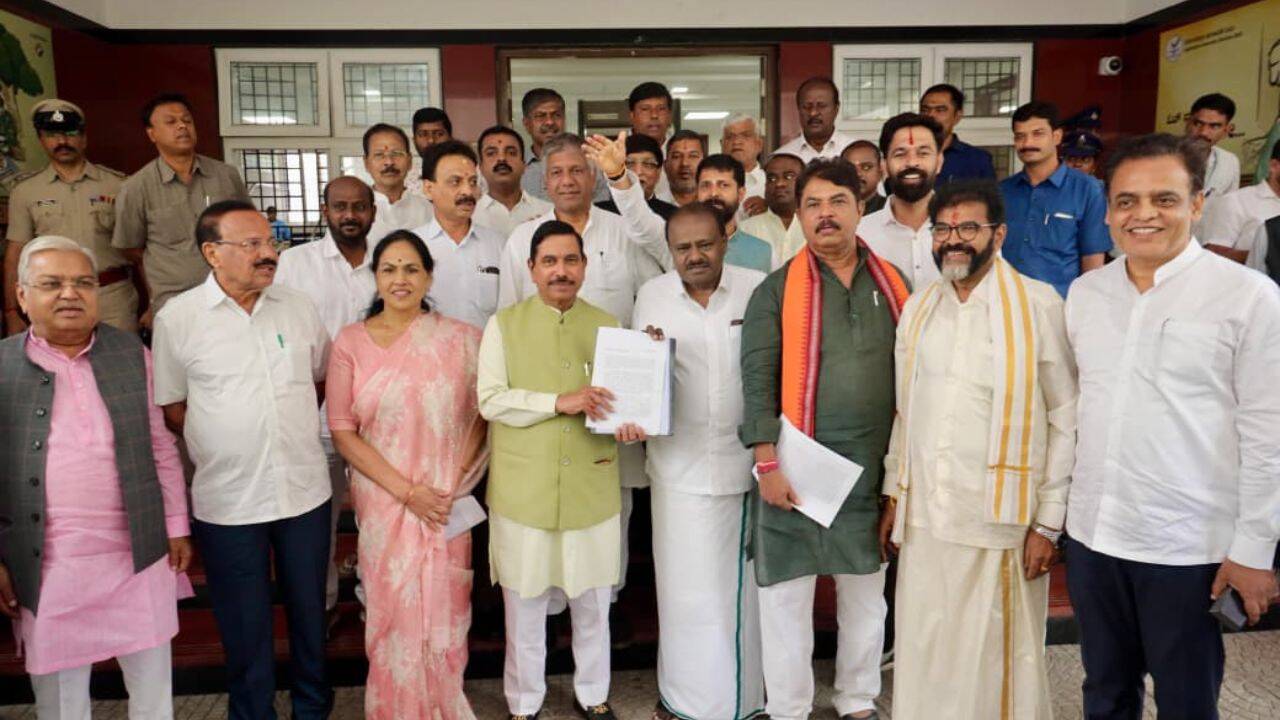
Opposition leaders claim the Special Intensive Revision of voter lists in Karnataka is being compromised by off-site enumeration.
A quiet, bureaucratic exercise has suddenly turned into a high-stakes political battleground. In Bengaluru, a delegation of NDA leaders recently marched to the office of Karnataka’s Chief Electoral Officer, V Anbukumar, with a dossier of grievances that could cast a long shadow over the state's upcoming electoral cycles. At the heart of the friction is the Special Intensive Revision (SIR), a process usually reserved for the mundane updating of names and addresses, which the opposition now alleges has been turned into a tool for manipulation.
The core of the complaint hinges on the "where" and "how" of the enumeration. The delegation claims that Booth Level Officers (BLOs)—the frontline workers tasked with ensuring the integrity of the electoral roll—have been flouting the Election Commission of India’s (ECI) strict guidelines. Instead of the mandatory door-to-door verification, the opposition alleges that forms are being processed in community halls, mosques, and private residences. They also pointed to the creation of unofficial WhatsApp groups meant to coordinate this shift in venue, arguing that this decentralization of the process makes the final electoral list "unsustainable and unreliable."
The Counter-Punch
The pushback from the state government was swift. CM DK Shivakumar, addressing the accusations, dismissed the allegations of interference. For the ruling party, the NDA’s move is viewed as a preemptive attempt to sow doubt in a process they insist is administrative, not political. Shivakumar maintained that the government has no role in directing how BLOs conduct their field work, essentially telling the opposition that the state’s machinery is functioning independently of political influence.
Why it matters
The friction here is a classic symptom of the growing distrust surrounding the digital and physical infrastructure of Indian elections. When the sanctity of an electoral roll is questioned, the impact isn't just limited to one constituency; it undermines the perceived fairness of the democratic mandate itself. The NDA’s demand for a re-verification of all forms is a signal that they aren't willing to let the SIR process proceed without a paper trail they can trust.
For the voter, this means the machinery of democracy is under a microscope. The ECI now faces the delicate task of balancing the administrative convenience of the SIR with the necessity of maintaining public confidence. If the commission confirms that even a fraction of the alleged irregularities occurred—specifically the bypassing of home-based verification—it could lead to a massive, state-wide logistical headache to fix the rolls. Until the Chief Electoral Officer issues a formal response or initiates an inquiry, the electoral roll in Karnataka remains a flashpoint for both local and national discourse.
Kabir Sharma writes on culture, technology and everyday life for PoliticalPedia.