Deja Vu in Chandigarh: Why Punjab Congress is Replaying an Old Script
New state, old script: Infighting returns to haunt Congress's Punjab poll plan
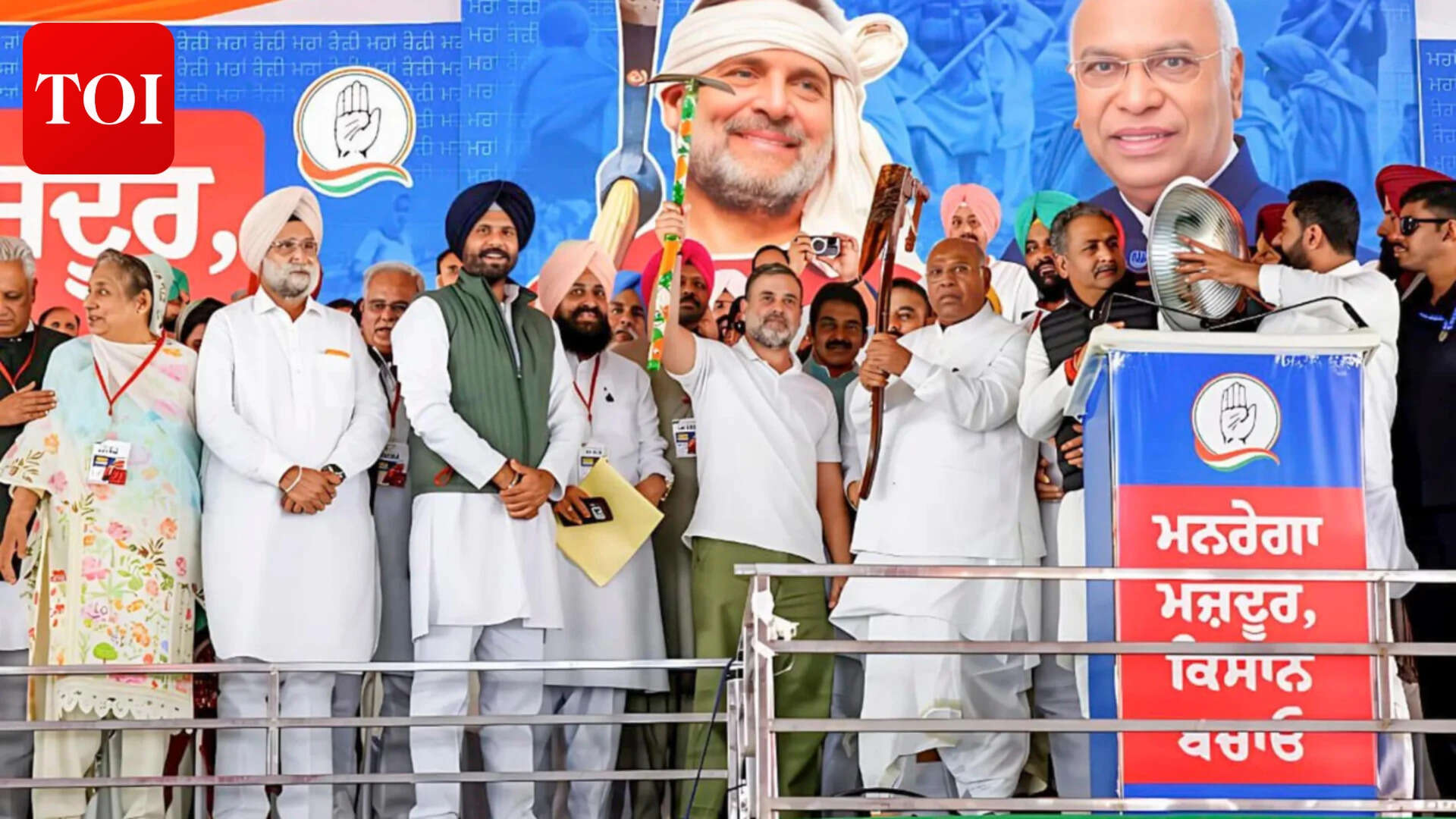
As internal rifts resurface in the Punjab unit, the grand old party faces a familiar cycle of paralysis that has previously cost it dearly in states like Rajasthan and Haryana.
The scene in Punjab feels eerily familiar to anyone tracking the Congress party’s trajectory over the last decade. Just ten days ago, Rahul Gandhi delivered a pep talk to party leaders, urging them to fight collectively and branding the state a critical battleground. Yet, the ink on that message had barely dried before the cracks in the state unit widened, proving that a high-command directive is rarely enough to paper over deep-seated fissures.
This isn’t a new phenomenon. Across states like Madhya Pradesh, Chhattisgarh, and the previous Punjab cycle, the party has followed the same rigid step-by-step decline. It begins with a brewing power tussle between leaders, followed by an incubation period where the central leadership prefers to look away. Then come the cosmetic fixes—vague warnings and toothless probe panels—that invariably lead to a full-blown crisis, subsequent defections, and eventually, electoral defeat.
The Cost of Procrastination
The current infighting in the Punjab Congress suggests the high command is either woefully misinformed or choosing to ignore the ground reality. When the central leadership makes a decision, it often acts as the spark that ignites these dormant rivalries rather than resolving them. For the observers at the Times and other media outlets, this pattern is becoming a predictable tragedy.
In every state where the party has stumbled, the failure to intervene decisively at the right time has been the common thread. By the time the leadership decides to act, the damage is usually irreversible, and the "disgruntled" faction has already started looking for greener pastures elsewhere, effectively doing the high command’s job of pruning the party by leaving it altogether.
Why it matters
The broader implication here goes beyond just one state’s assembly prospects. This recurring script points to a structural inability within the Congress to manage its internal talent and ego clashes. When a party cannot align its own house, it signals a lack of readiness to the electorate, often making the opposition’s job significantly easier.
The pattern of "crisis, neglect, cosmetic action, and collapse" has become a hallmark of the party's recent political history. Unless the high command shifts from delivering pep talks to enforcing real accountability, the cycle is likely to repeat, leaving the party’s prospects in the hands of whoever is left standing after the internal dust settles.
Rohan Gupta covers the economy, markets and companies for PoliticalPedia.