Karnataka High Court Seeks National Policy to Resolve Interstate Bank Account Freeze Disputes
Karnataka High Court urges national framework on interstate bank account freezes
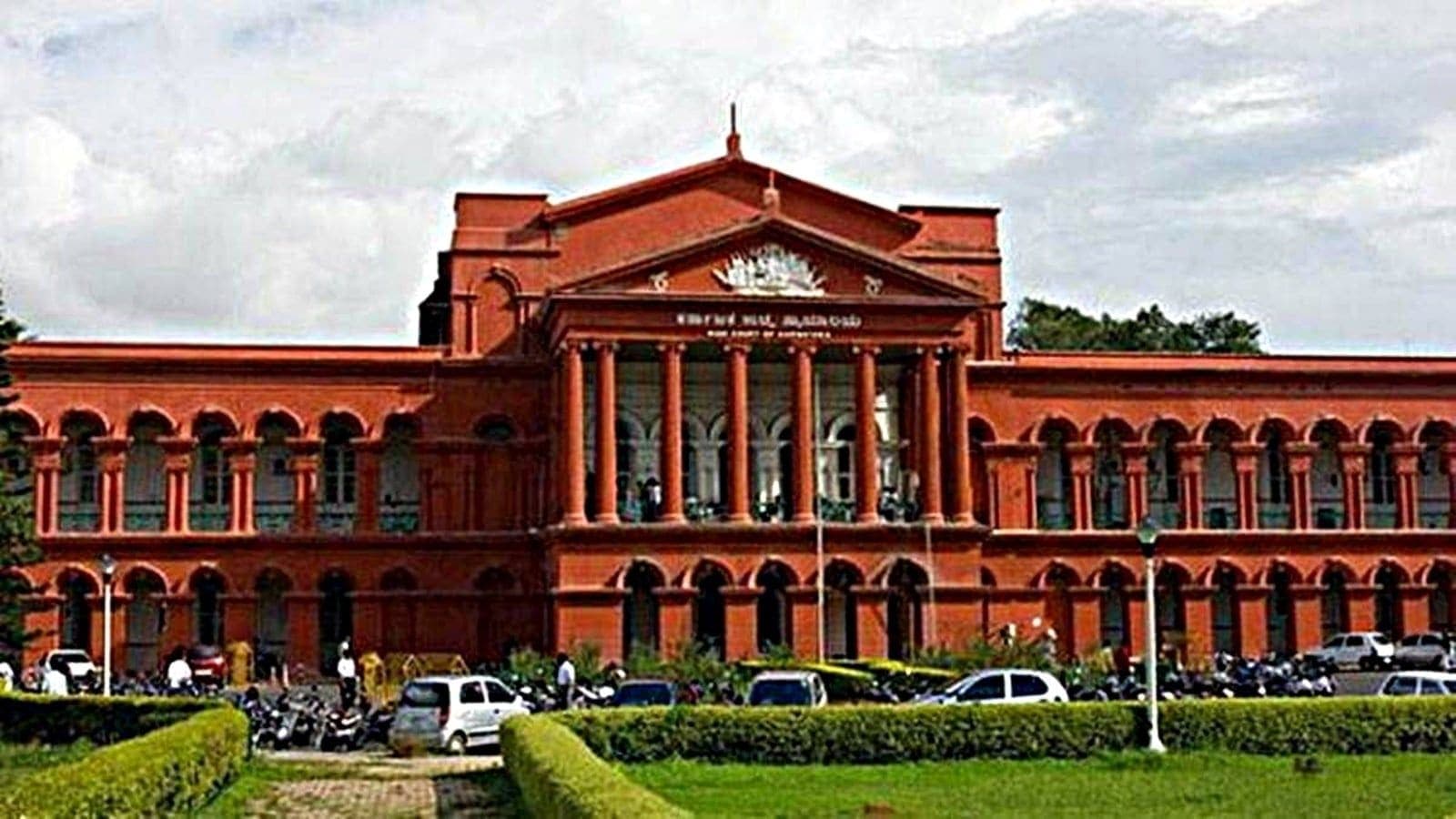
The court has requested the Centre to formulate a uniform framework to address the legal and procedural hurdles faced by citizens when police from one state freeze accounts in another.
The Karnataka High Court has flagged a growing legal logjam caused by the arbitrary freezing of bank accounts across state lines during cyber fraud investigations. Justice Suraj Govindaraj, presiding over a case involving a Bengaluru resident, recently directed the Union Government to consider establishing a national-level policy. This framework aims to standardize the adjudication process, which currently leaves account holders in a state of limbo when local police are unable to intervene in orders issued by agencies in other states.
The intervention stems from a petition filed by Santhosh Kumar H V, a Bengaluru resident who challenged a debit freeze notice issued by the Maharashtra Police to an Axis Bank branch in the city. The court noted that because the freeze order originated outside Karnataka, the jurisdictional complexities made it difficult to provide immediate relief. When the court attempts to issue notice to the out-of-state police officers involved, the response is often nonexistent, leaving the court unable to hear the other side of the matter effectively.
Addressing the Jurisdictional Gap
During the hearing, the court underscored the difficulties faced by the state machinery when trying to represent or address orders from external jurisdictions. The government advocate appearing for Karnataka clarified that they are legally unable to represent or speak for police authorities from other states. To bridge this gap, Justice Govindaraj has sought the assistance of Additional Solicitor General (ASG) Aravind Kamath. The ASG is expected to consult with relevant central departments to determine how these interstate disputes can be streamlined under a unified protocol.
The proposed policy framework seeks to address three critical procedural questions. First, the court questioned how notice can be effectively served to police authorities situated outside the jurisdiction of the local court. Second, it raised the issue of transparency, asking whether police should be mandated to inform the account holder directly before or at the time of freezing the account. Finally, the court inquired whether banks should be legally obligated to immediately notify their customers when they receive a directive to freeze an account.
Protecting Digital Financial Rights
This case highlights a broader, recurring conflict between the rapid pace of cybercrime investigations and the fundamental rights of individuals to access their finances. Currently, the lack of a standardized national protocol often results in bank customers being left in the dark, with their accounts frozen without clear communication or a local legal avenue for rapid redressal.
By pushing for a national framework, the Karnataka High Court is attempting to harmonize the investigative powers of the police with the rights of account holders. If implemented, such a policy would provide a predictable roadmap for banks and law enforcement, ensuring that while investigations into cyber fraud remain robust, they do not bypass due process or leave innocent citizens without recourse in their own home states.
The PoliticalPedia Editorial Desk brings verified, sourced political news and analysis from across India.