Justice Delayed, Not Denied: The Long Shadow of the 2008 Ahmedabad Blasts
2008 Ahmedabad serial blasts case: Gujarat high court upholds death for 38, life term for 11
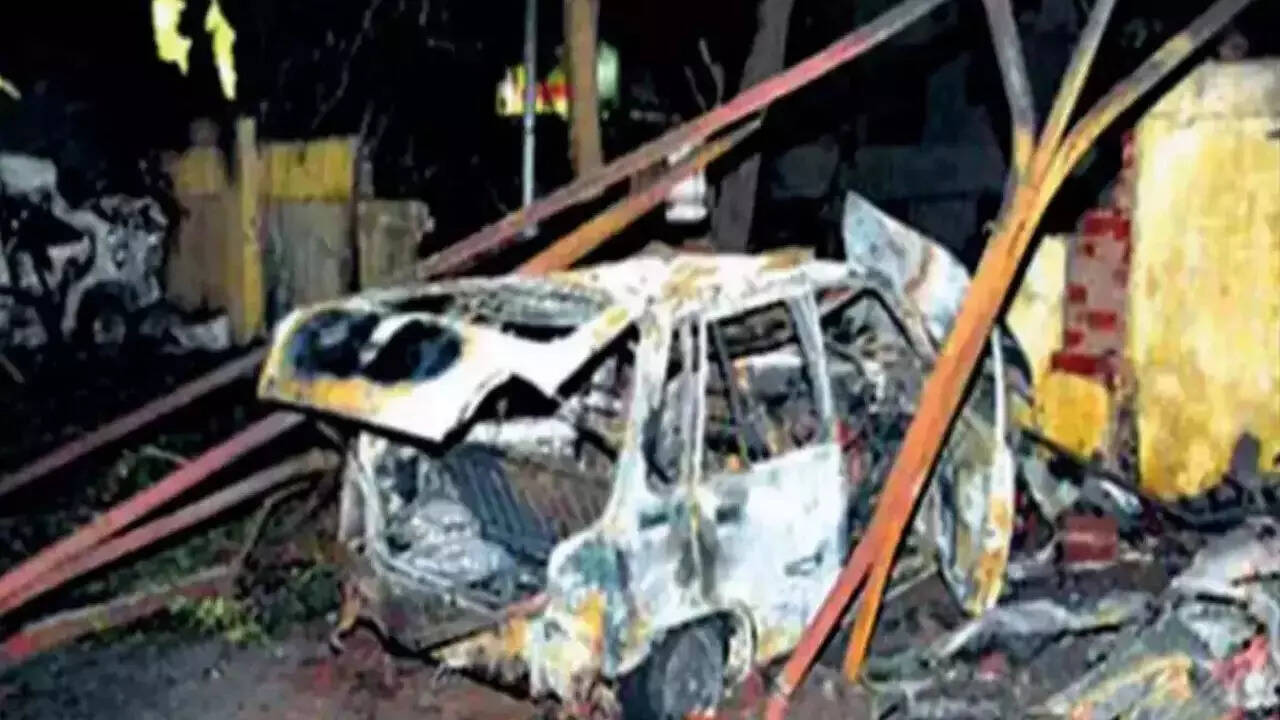
The Gujarat High Court has affirmed the conviction of 49 individuals, cementing a landmark legal conclusion to one of the most chilling terror attacks in Indian history.
It has been nearly sixteen years since the quiet of a July afternoon in Ahmedabad was shattered by a series of coordinated explosions. On July 26, 2008, the city became a war zone, with bombs detonating across crowded markets and hospitals, claiming 56 lives and leaving 246 others scarred for life. Today, the Gujarat High Court delivered a definitive legal chapter to this tragedy, upholding the death sentence for 38 convicts and confirming life imprisonment for another 11.
The ruling marks the end of a grueling judicial marathon. The investigation, spearheaded by the city crime branch, had initially cast its net over 100 suspects, eventually bringing 78 to trial. By February 2022, a special court had found 49 of these individuals guilty, while acquitting 28 others—a group that notably included Mubin Shaikh and Mansur Pirbhoy, who had been accused of orchestrating the conspiracy and managing the chilling emails that claimed responsibility for the carnage.
A Legacy of Targeted Terror
These blasts were not merely indiscriminate; they were calculated. The victims were targeted in a way that remains etched in the public memory: the attackers struck hospitals, a tactic intended to maximize civilian panic and overwhelm emergency services. In the aftermath, investigations revealed that the emails sent by the perpetrators framed the massacre as a direct retaliation for the 2002 post-Godhra violence in Gujarat.
Beyond the courtroom’s gavel, the state now faces the task of addressing the human cost. The High Court has ordered the state government to provide structured compensation to the victims—Rs 10 lakh for the families of the deceased, Rs 5 lakh for those who suffered grievous injuries, and Rs 1 lakh for those with minor wounds. This financial redress is mandated to be completed by March 31, 2027, serving as a late acknowledgement of the long-term trauma faced by the survivors.
Why It Matters
The resolution of this case is more than a procedural victory; it is a signal of the state’s commitment to exhaustive, long-haul justice. In the landscape of Indian criminal law, the 2008 Ahmedabad serial blasts trial demonstrates how investigative agencies and the judiciary handle complex, multi-layered terror conspiracies. By upholding such a high number of death sentences, the court has underlined the gravity of the 2008 strike, which remains one of the most audacious attacks on urban infrastructure in recent decades.
However, the sheer length of the trial—spanning nearly two decades—highlights the structural bottlenecks in the Indian legal system. While today’s verdict provides closure for the families involved, it also serves as a sobering reminder of the time required to navigate the complexities of terror trials. The case will likely be remembered for its scale and the eventual, albeit protracted, delivery of a verdict that matches the severity of the original crime.
Kabir Sharma writes on culture, technology and everyday life for PoliticalPedia.