Is the E20 Fuel Gamble Working? Centre Calls Ethanol Blending an ‘Ongoing Experiment’
20% ethanol blending still an experiment, results by next year: Centre tells SC
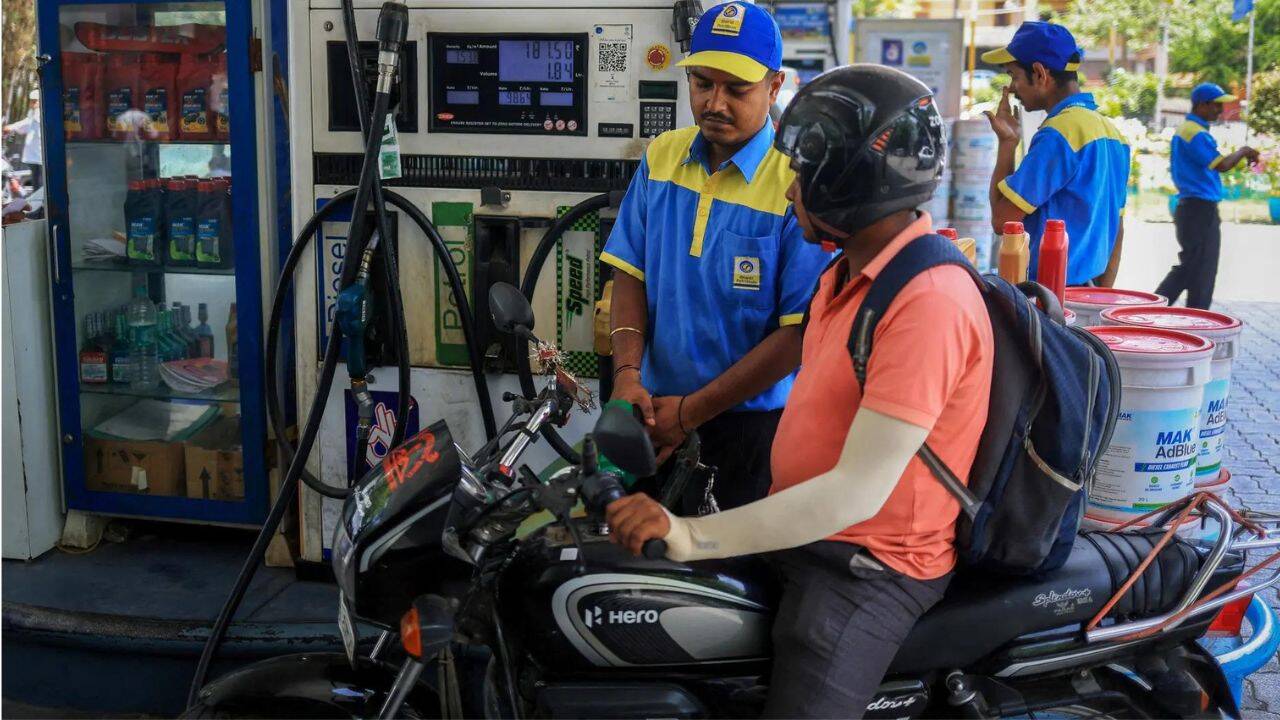
The Union government has informed the Supreme Court that the 20% ethanol blending rollout is still being evaluated, seeking to shield the national policy from judicial interference.
The high-stakes push to shift India toward a 20% ethanol-blended petrol (E20) mandate has hit a procedural roadblock in the Supreme Court. While the policy remains a cornerstone of the energy transition, the Centre has taken a cautious stance, describing the national rollout as an "ongoing experiment" during a hearing on Tuesday. The government’s admission comes as it looks to insulate its ambitious fuel policy from the cascading legal challenges emerging from private players.
The courtroom drama stems from a dispute involving Bharat Petroleum Corporation Limited (BPCL). The oil major moved the top court to challenge a Karnataka High Court order that directed Oil Marketing Companies (OMCs) to reconsider ethanol allocation quotas for VINP Distilleries and Sugars for the 2025-26 supply year. Representing the Centre, Attorney General R Venkataramani warned the bench of Justices M M Sundresh and Sheel Nagu that allowing local courts to intervene in these allocation processes could derail the broader national strategy.
Legal Status Quo
For now, the Supreme Court has directed all parties to maintain the status quo regarding the Karnataka High Court’s order, providing the Centre with some breathing room. The core of the government’s argument is that the E20 blending programme is not a static policy but a dynamic, data-driven trial. According to the Centre, the full impact of this 20% mix—ranging from engine performance metrics to broader economic outcomes—will only become clearer by next year.
This timeline is significant. While the government remains committed to its target, the admission that the rollout is still being evaluated suggests that the administration is preparing for a period of fine-tuning rather than an immediate, rigid implementation.
Why It Matters
This development underscores the friction between the Centre's aggressive green energy mandates and the logistical realities of the supply chain. Ethanol blending is intended to serve a dual purpose: slashing India’s massive crude oil import bill and providing a secondary revenue stream for the agricultural sector. However, the allocation of these supplies is a complex, high-value exercise involving distillers and OMCs, and any disruption in these quotas can ripple through the rural economy and the fuel market.
By framing the E20 project as an "experiment" that will yield definitive results by next year, the government is effectively buying time. It signals to the judiciary that the policy is still in a developmental phase, where flexibility is essential. For the average commuter, the transition to higher ethanol blends remains a quiet work-in-progress, but for the industry, the legal battle over who gets to supply the fuel is only just warming up.
Priya Nair covers parties, elections and the business of power for PoliticalPedia.