Internal Revolt Escalates: TMC Minority Cell Secretary Ajmal Siddiqui Resigns, Targets Abhishek Banerjee
TMC crisis deepens: Minority cell leader resigns, blames ‘dictatorial’ Abhishek Banerjee
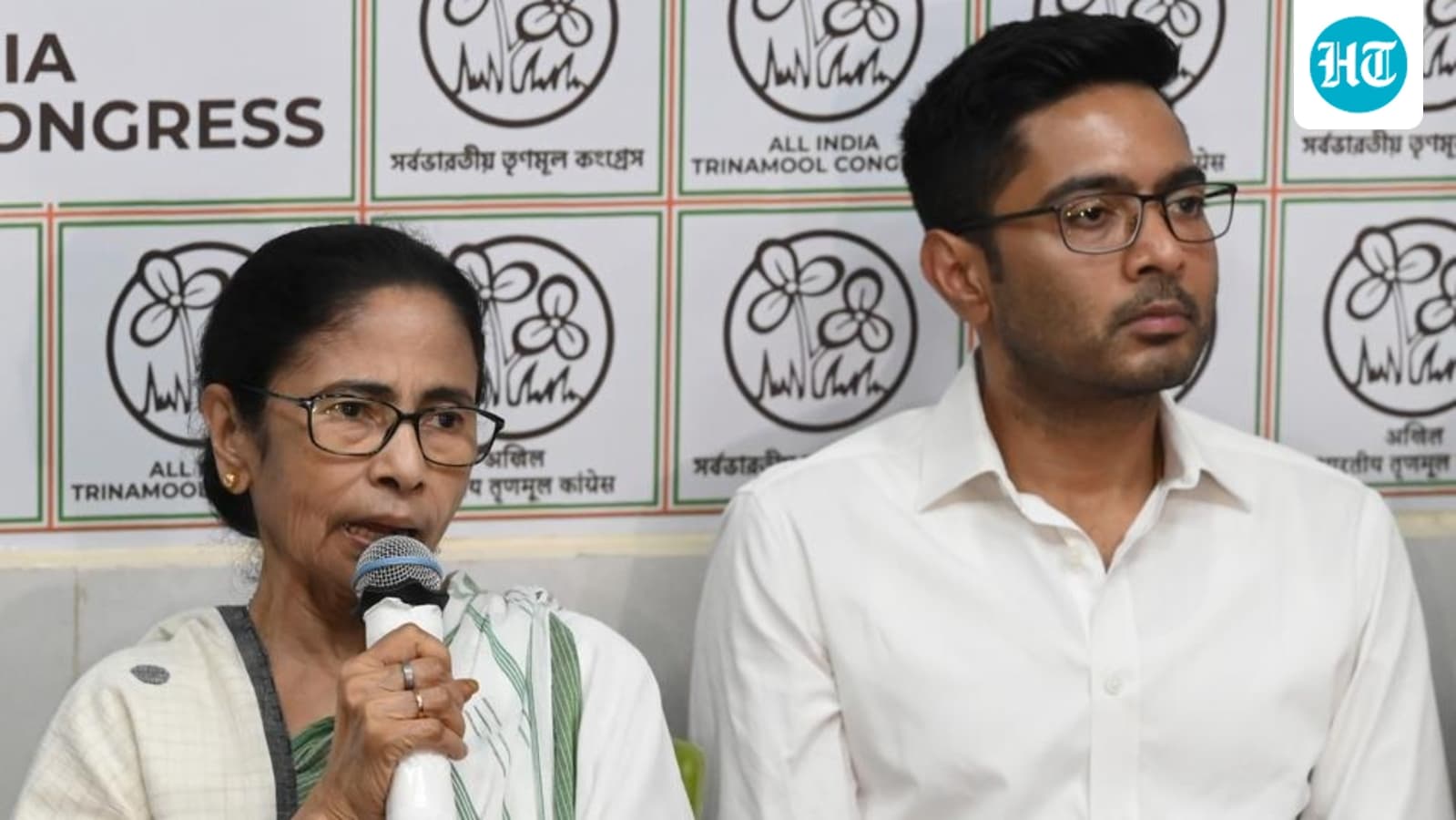
The Trinamool Congress faces a deepening existential crisis as a key minority leader quits, citing dictatorial leadership and a collapse of party values.
The Trinamool Congress (TMC) finds itself in the throes of an unprecedented political storm following the resignation of Ajmal Siddiqui, the party’s state minority cell secretary. Coming shortly after the party lost its decade-and-a-half-long hold on power in Bengal, Siddiqui’s departure highlights the intensifying friction within the organization. His exit is not merely a personnel change; it serves as a public indictment of the current power structure, specifically targeting the influence of Lok Sabha MP Abhishek Banerjee.
A Targeted Accusation
Speaking to the press shortly after returning from his Hajj pilgrimage, Ajmal Siddiqui did not mince words regarding his reasons for leaving. He characterized the party’s internal atmosphere as stifling, directly attributing the current “collapse” of the TMC to what he termed the “dictatorial attitude” of Abhishek Banerjee. According to Siddiqui, the internal culture has shifted toward the exploitation of members, with allegations ranging from the filing of false cases against long-time associates to demands for financial contributions that he described as “unbearable.”
Siddiqui further claimed that the party has moved away from its public service mandate, instead becoming mired in various scandals. He asserted that the majority of the current leadership is engaged in "unsavoury activities" that bring disrepute to the organization, making it increasingly uncomfortable for those who joined with the intention of serving the people of Bengal.
Wider Institutional Fragility
This high-profile resignation arrives at a precarious moment for the TMC. The party is already reeling from the loss of its electoral mandate after 15 consecutive years of governance. The instability was compounded significantly on Wednesday when Assembly Speaker Rathindra Nath Bose formally recognized 58 rebel legislators as the principal opposition group. Led by Raitabrata Banerjee, this faction has taken the extraordinary step of seizing control of the legislature party.
While these 58 rebels maintain that they still view Mamata Banerjee as their primary leader, their open rejection of the party’s current administrative directives indicates a deep fracture. The duality of their position—loyal to the veteran leader but defiant toward the broader party apparatus—creates a complex landscape for the TMC as it struggles to maintain its identity outside of government.
What Lies Ahead
When pressed on his future political trajectory and whether he might align with the BJP, Siddiqui remained non-committal. He maintained that his primary focus remains on the state’s development, specifically the need for industrial growth and job creation for the economically vulnerable.
For the TMC, the departure of a figure like Siddiqui from the minority cell poses a significant challenge in maintaining its traditional voter base. As more reports of internal dissent surface, the party leadership is under mounting pressure to address the allegations of institutional corruption and dictatorial control that are currently defining its post-power era. The combination of legislative rebellion and grassroots attrition suggests that the internal strife is far from settled.
The PoliticalPedia Editorial Desk brings verified, sourced political news and analysis from across India.