India’s green energy dream faces a climate reality check
90% of India's renewable projects face climate risk. Here's how to build them safer
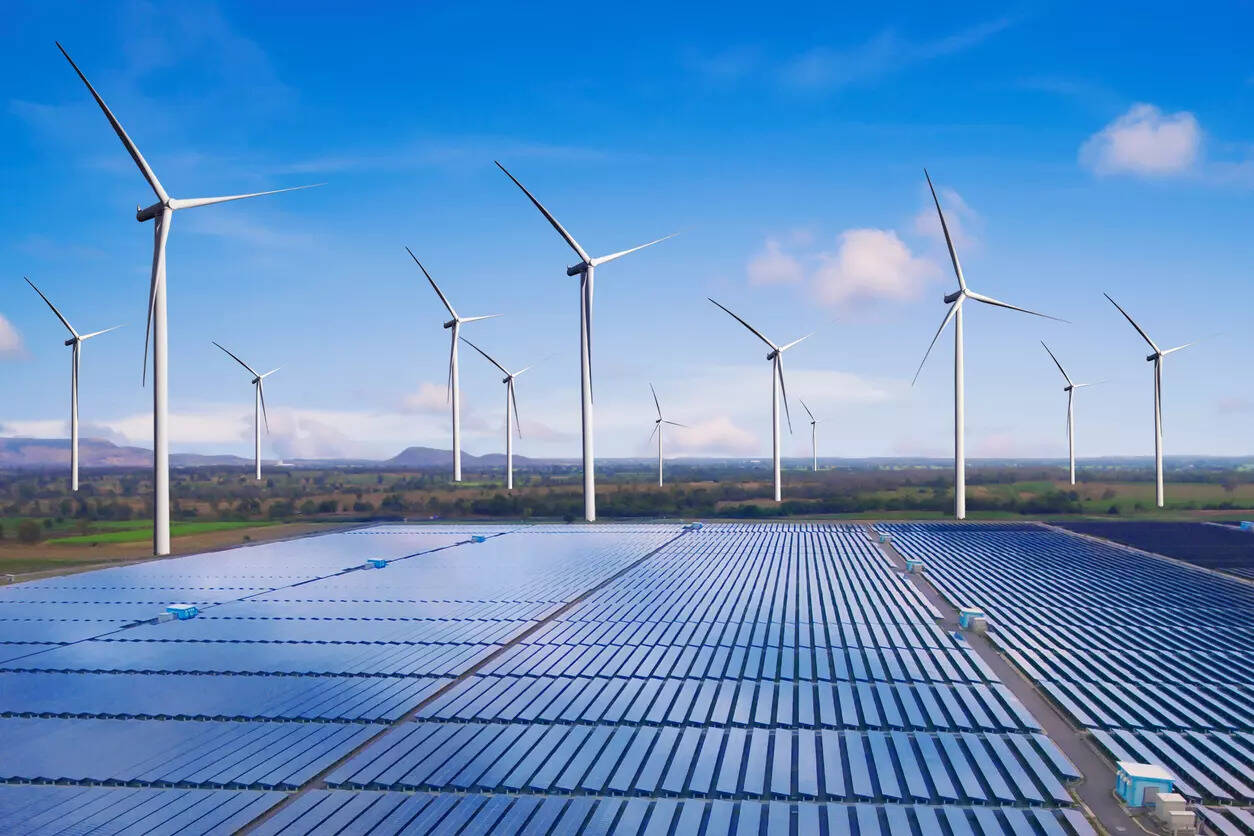
A new report warns that 90 per cent of planned renewable projects face high climate risks by 2030, but early intervention could secure the nation’s power future.
The solar panels and wind turbines meant to power India’s future are currently sitting on a fault line. A recent Zurich Group report examining 871 renewable energy sites across ten states has uncovered a sobering statistic: 90 per cent of these planned projects, representing a combined capacity of 267 GW, are highly vulnerable to physical climate hazards by 2030. With 66 per cent of these sites rated as "critical" risk, the data highlights that the transition to green power is not immune to the very environmental instability it seeks to mitigate.
Solar projects, which account for nearly 70 per cent of the total capacity assessed, are particularly exposed. The hazards are not just theoretical. From glass-shattering hailstorms that cause immediate damage to "hidden" defects that degrade energy output over years, the physical toll is mounting. Wind energy faces its own battle against intensifying cyclones and erratic monsoons, while hydropower—though fewer in number—carries the highest financial stakes due to the sheer cost of building in landscapes where historical rainfall patterns are no longer a reliable guide for the future.
The cost of inaction vs. the price of resilience
The report offers a pragmatic path forward. Because a vast majority of these projects are still in the planning or construction phases, the window to build in resilience is wide open. Experts suggest that a targeted investment of just 2 per cent of a project’s total capital expenditure (CAPEX) could reduce the potential for severe losses by as much as 75 per cent. This is not just a technical fix; it is a financial imperative to keep India’s energy transition on track without saddling the economy with future repair bills.
Why it matters: The bigger picture
This situation underscores a recurring tension in India's development narrative: the rush to reach capacity targets often outpaces the integration of long-term environmental stress testing. While the world debates the economics of various energy sources—from nuclear to offshore wind—the primary challenge for India is ensuring that the infrastructure we lay today can survive the "new normal" of 2025 and beyond. If policymakers and developers continue to treat climate risk as an afterthought rather than a mandatory screening hurdle, the country risks pouring billions into assets that may fail when they are needed most.
The transition to a cleaner grid is a race against time, but it is also a race against geography. For India, building resilience into the procurement and planning stages is the only way to ensure that our renewable energy capacity remains a stable foundation for the nation’s growing cities and industries. By moving now, the sector can transform a looming vulnerability into a resilient, long-term asset.
Priya Nair covers parties, elections and the business of power for PoliticalPedia.