India pitches 'BRICS Space Economy' to unlock next frontier of global growth
India calls for Brics shared space economy
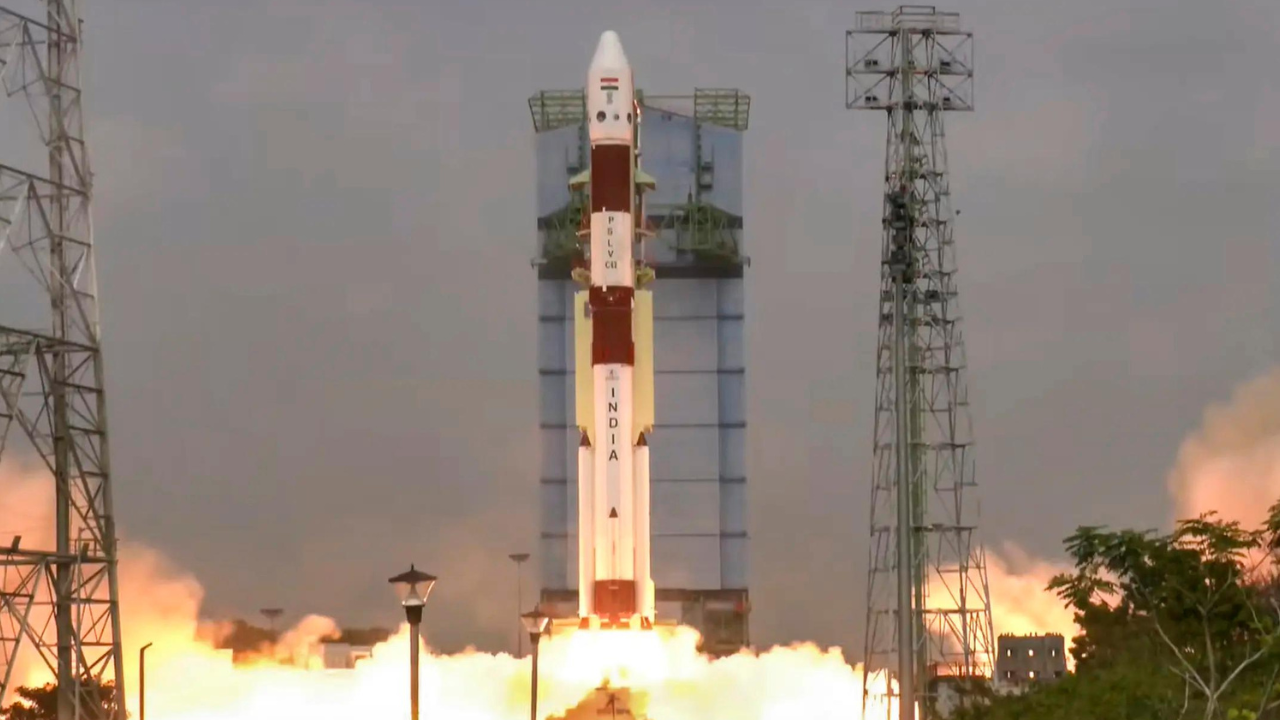
Union Minister Jitendra Singh has called for a collaborative framework among BRICS nations to leverage shared satellite technology for sustainable development and industrial growth.
The Bengaluru skyline might be the current hub for India’s satellite ambitions, but for the government, the real prize lies beyond the stratosphere. As India holds the BRICS Chairship for 2026, the two-day Heads of Space Agencies (HOSA) meeting concluded with a bold, if ambitious, proposal: the creation of a unified “BRICS Space Economy.”
Speaking at the valedictory session, Union Minister Jitendra Singh argued that the era of nations pursuing solo space missions is effectively over. With 10 countries represented at the table—including Brazil, Russia, China, and newer members like Ethiopia and the UAE—the bloc represents a significant slice of the world’s population and industrial capacity. Singh’s pitch is that by pooling scientific expertise and technological resources, member countries can transform space from a government-led endeavor into a powerhouse of private investment and shared innovation.
Operational integration beyond the rhetoric
This wasn't just a meeting of diplomats. Alongside ISRO Chairman V. Narayanan and IN-SPACe head Pawan Goenka, the sessions saw active participation from the growing ranks of India’s NewSpace startups and private industries. The goal is to move the needle from simple data sharing to operational integration.
Central to these talks was the BRICS Remote Sensing Satellite Constellation (RSSC). Already in use for tracking climate change and managing natural disasters, the constellation is now being eyed as the backbone for a more robust economic framework. Officials discussed the technicalities of “debris-free” mission management—a critical requirement for sustainable long-term space activity—and the potential for a formal BRICS Space Council to provide a permanent institutional structure for these collaborations.
Why it matters: A shift in the global order
The timing of this proposal is no coincidence. As global powers race to secure dominance in everything from satellite-based internet to lunar resource exploration, India is positioning itself as the bridge between established space-faring nations and the emerging economies within the BRICS fold.
By pushing for a "shared space economy," New Delhi is essentially trying to democratize the benefits of space technology. If successful, this framework would lower the barrier to entry for developing nations in the bloc, allowing them to tap into high-end navigation, precision agriculture, and disaster response tools without having to build massive, independent infrastructures from scratch. It is a strategic play: India strengthens its soft power by leading the technology-sharing narrative, while simultaneously creating a captive market for its own burgeoning commercial space sector.
The road ahead
While the enthusiasm at the Bengaluru summit was palpable, the transition from a "cooperation mechanism" to a "shared economy" remains complex. Issues of data sovereignty, technology transfer protocols, and the varying levels of space-faring maturity among members will test the bloc’s cohesion. However, the message from the Indian side is clear: the future of the global space ecosystem will be defined by collective ambition. As the dust settles on the HOSA meeting, the focus now shifts to whether these policy discussions can be translated into the tangible, cross-border commercial partnerships that Singh envisions.
Arjun Mehta reports on government, policy and Parliament for PoliticalPedia, in English and Hindi.