India asserts existing mechanisms to address illegal migration from Bangladesh
India says mechanisms being used to deport illegal migrants to Bangladesh
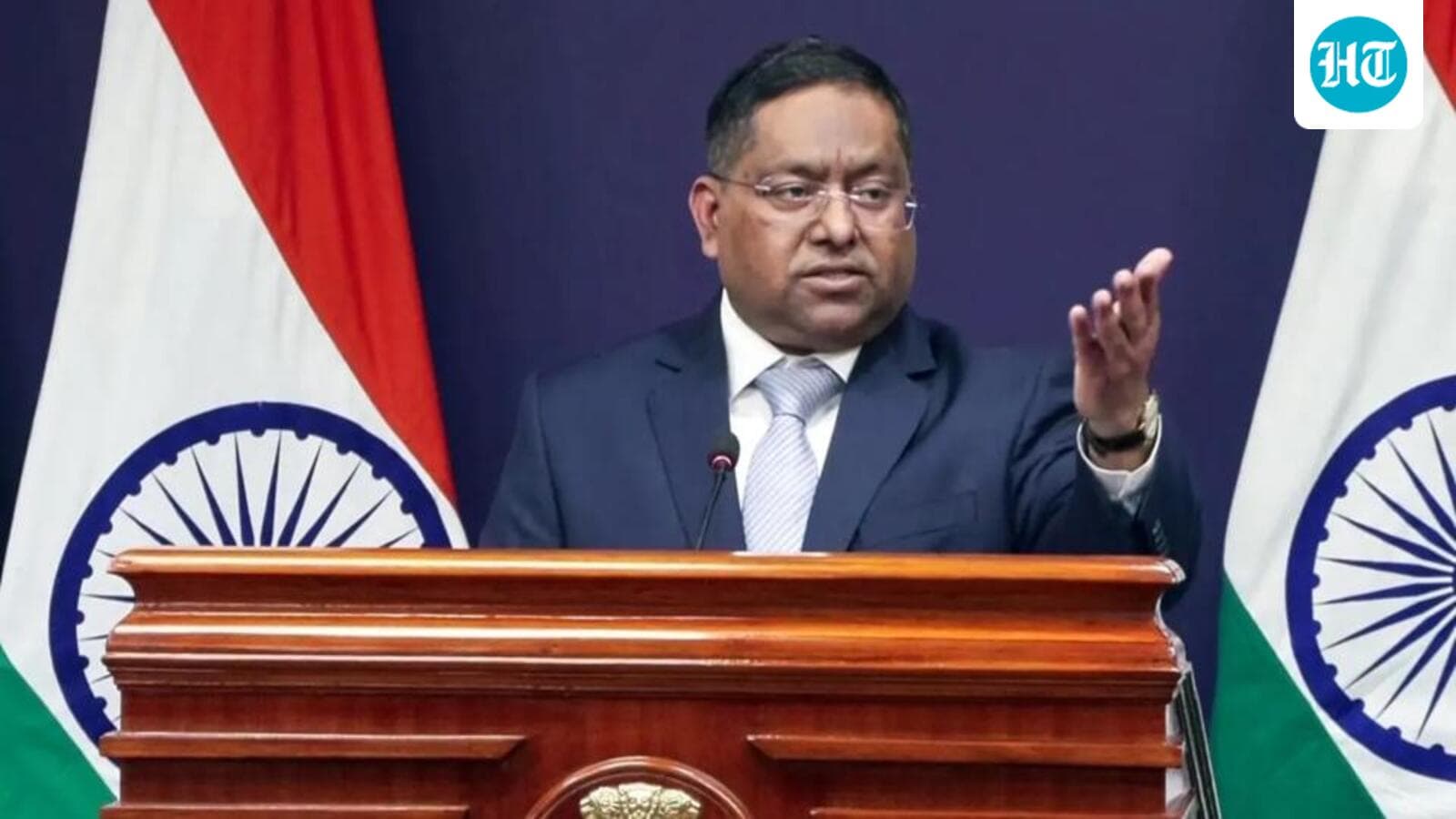
New Delhi maintains that established bilateral procedures are the primary route for repatriating foreign nationals residing in the country without valid documentation.
The Indian government has dismissed concerns regarding recent border friction, asserting that a structured, bilateral mechanism remains the official channel for handling illegal migrants. Addressing media inquiries in Delhi, Ministry of External Affairs spokesperson Randhir Jaiswal stated that Indian laws are clear regarding the presence of foreign nationals, and that the state will continue to process the repatriation of those identified as residing in the country illegally.
This clarification comes amid reports of heightened tension along the international border. The Border Guard Bangladesh (BGB) recently claimed to have detected multiple instances of attempted "push backs"—a term used to describe the forced return of individuals without formal deportation protocols—by Indian authorities. Jaiswal, however, emphasized that New Delhi prefers the formal route: referring cases to Dhaka for nationality verification before proceeding with any orderly deportation.
Verification hurdles and the administrative backlog
The effectiveness of these diplomatic channels appears to be a point of contention. Official figures indicate that India has submitted requests to Dhaka to verify the credentials of more than 2,860 individuals currently held as suspected illegal Bangladeshis. Government sources suggest that these requests are pending, and there is a growing expectation from the Indian side that these verification processes be expedited to allow for the smooth, efficient removal of those who have entered or stayed in the country illegally.
The scale of the issue has become a political priority for state governments in West Bengal, Tripura, and Assam, where administrations are actively focusing on border management. The push to identify undocumented populations has led to administrative measures, including recent directives from the Union Home Ministry setting a 30-day window for verifying the credentials of suspected immigrants. Critics, including various civil society groups, have raised questions regarding the transparency and due process of these identification drives, suggesting that some actions lack formal legal frameworks.
Border management and international norms
While New Delhi views these measures as an internal matter of sovereign border security, the regional response from Dhaka remains firm. The BGB has issued warnings that any actions deviating from established international border management norms and existing bilateral understandings will be "strictly resisted." Officials in Bangladesh have maintained that no individual will be permitted to enter their territory illegally, framing the issue as a violation of bilateral decorum.
As the situation develops, the friction highlights the complex nature of managing the long, porous border between the two nations. While the rhetoric from both sides underscores the necessity of diplomatic cooperation, the reality on the ground—characterized by administrative backlogs and concerns over human rights—suggests a difficult path toward achieving a mutually agreeable framework for migration control.
The PoliticalPedia Editorial Desk brings verified, sourced political news and analysis from across India.