India and U.S. Gear Up for Mid-July Launch of Landmark Trade Pact
India, U.S. may execute first phase of bilateral trade pact by middle of next month: Goyal
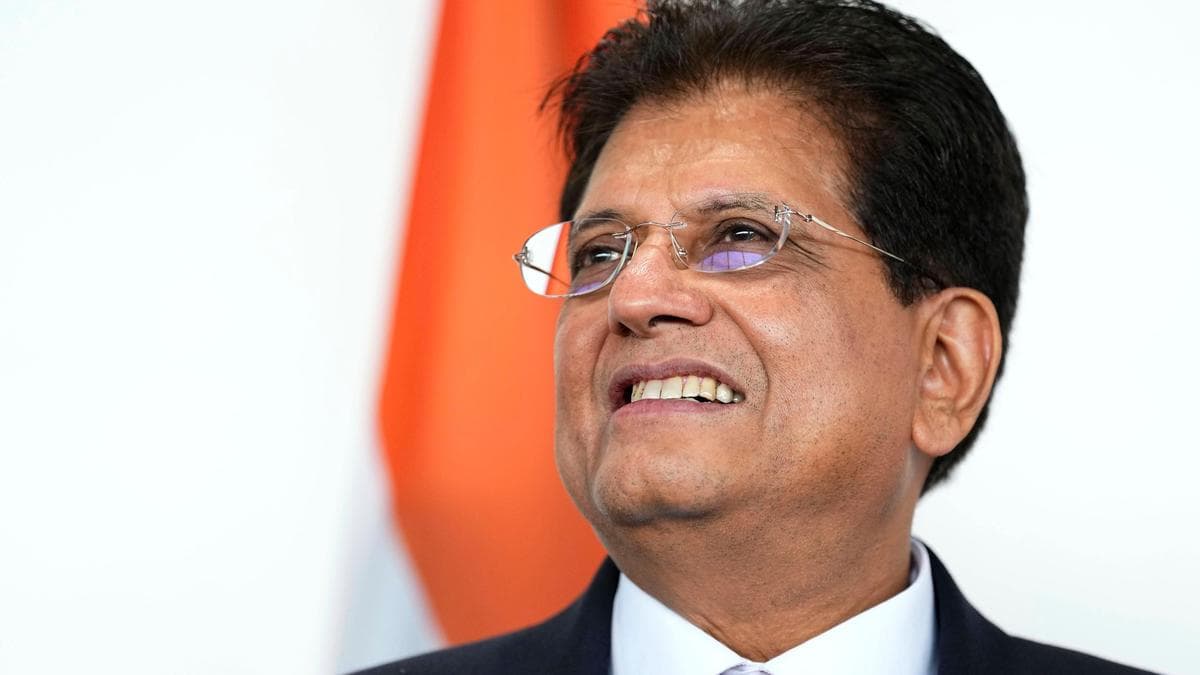
Commerce Minister Piyush Goyal confirms that negotiations for the first phase of the bilateral trade deal are nearing completion, promising preferential market access for Indian exports.
The long-awaited economic reset between New Delhi and Washington is finally nearing the finish line. Union Commerce and Industry Minister Piyush Goyal announced on Friday that both nations are working to resolve the final outstanding issues, with a view to execute the first phase of their bilateral trade agreement by the middle of next month. This "vibrant" initial tranche is designed to secure preferential access for Indian goods, effectively positioning the country ahead of global competitors in the U.S. market.
High-Stakes Negotiations
The progress follows intensive discussions held in New Delhi earlier this week, from June 2 to June 4. While the U.S. delegation was led by chief negotiator Brendan Lynch, the Indian side was headed by Darpan Jain, an additional secretary in the Department of Commerce. According to the Ministry, the talks were constructive, spanning critical areas such as trade facilitation, customs procedures, non-tariff measures, and long-term economic security alignment.
To maintain this momentum, a high-level team—expected to be led by U.S. Trade Representative (USTR) Jamieson Greer—is scheduled to visit India later this month to finalize the remaining technical details. The current push builds upon the framework established during the February 7 joint statement, which initially outlined the ambitious goal of slashing tariffs on Indian goods from 50% down to 18%.
Navigating a Shifting Tariff Landscape
The path to this agreement has been complex, complicated by shifting U.S. domestic policy. Earlier this year, the U.S. Supreme Court ruled against President Donald Trump’s broad reciprocal tariff regime, which had been enacted under the 1977 International Emergency Economic Powers Act. Consequently, the U.S. moved to a temporary 10% tariff structure on global imports, which is slated to expire on July 24.
The upcoming mid-July execution window is strategically significant, as it coincides with the winding down of these temporary measures. For India, this agreement is more than a routine tariff adjustment; it represents a tactical effort to institutionalize trade stability amidst a volatile global climate. By securing this pact, India aims to insulate its export sectors—worth approximately $44 billion to the U.S. annually—from the unpredictability of shifting international trade policies and the threat of aggressive tariff wars.
Beyond the First Tranche
While the immediate focus remains on the first phase, both governments view this as a foundational step toward a more comprehensive bilateral trade agreement. Once the initial tranche is executed, the two teams are expected to pivot toward broader negotiations that address deeper market integration and structural economic ties. As the clock ticks toward the July deadline, the successful rollout of this deal will be a key benchmark for the current administration’s trade diplomacy, potentially setting a template for how India navigates future bilateral economic partnerships.
The PoliticalPedia Editorial Desk brings verified, sourced political news and analysis from across India.