India and France Reset Economic Ties with Focus on Critical Minerals and Investment
India, France co-chair Economic & Financial Dialogue, agree to deepen cooperation on critical minerals
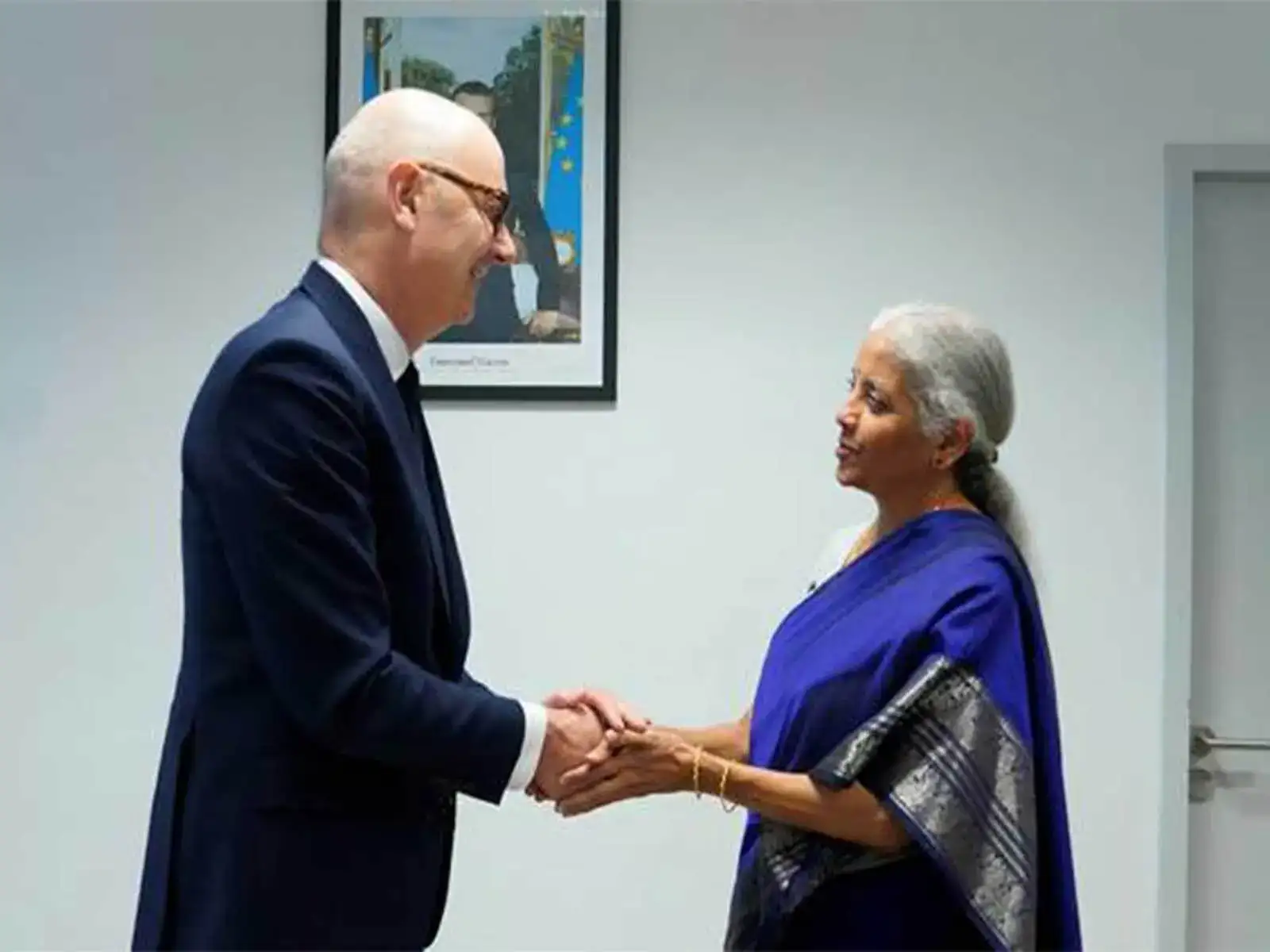
Finance Minister Nirmala Sitharaman and her French counterpart Roland Lescure met in Aix-en-Provence to formalize a new roadmap for bilateral trade and supply chain resilience.
The picturesque town of Aix-en-Provence became the unlikely backdrop for a significant recalibration of the Indo-French economic partnership this Friday. Union Finance Minister Nirmala Sitharaman and Roland Lescure, the French Minister of Economy, Finance, Industrial, Energy, and Digital Sovereignty, sat down for a high-level economic and financial dialogue that signals a deeper alignment between New Delhi and Paris.
This meeting was not merely a diplomatic formality; it was a necessary follow-up to the high-stakes commitments made by Prime Minister Narendra Modi and President Emmanuel Macron earlier in 2026. With global supply chains under constant pressure and the race for energy security intensifying, both nations are looking to bypass traditional bottlenecks by connecting their respective financial industries more directly.
Critical Minerals and Strategic Autonomy
At the heart of the discussions was a pressing need for cooperation on critical minerals. As both nations move toward aggressive clean energy targets, the reliance on stable, secure supply chains for rare earths has become a point of national security. The dialogue effectively carved out a framework where India and France can coordinate on infrastructure financing and digital sovereignty, moving away from fragmented efforts toward a unified approach.
The Ministry of Finance confirmed that this dialogue will now serve as the primary platform for managing the trade and investment agenda. By aligning their positions within multilateral platforms like the G20 and the Paris Club, the two countries are aiming to punch above their weight in global economic forums.
Why it matters: The Bigger Picture
This shift marks a departure from the purely transactional nature of past trade talks. By integrating their financial ecosystems, India and France are essentially hedging against geopolitical volatility. For Indian businesses, the outcome is clear: expect smoother pathways for technology transfers and easier access to European capital, particularly in urban infrastructure and green energy projects.
The involvement of the French Development Agency (AFD) in these future projects suggests that the partnership is looking beyond short-term trade volumes, aiming instead for long-term industrial integration. If the 2027 edition of this dialogue keeps this momentum, the India-France corridor could well become the most stable conduit for European investment in the Indo-Pacific region.
Coordination Beyond Borders
The scope of the meeting extended to broader economic outlooks, with both ministers acknowledging the challenges facing global growth. While they addressed the immediate needs of their financial sectors, the underlying intent remains clear: building a "strategic autonomy" that allows both economies to withstand shifts in the global market. With the next round of talks already being planned for 2027, the message to investors is that this partnership is built for the long haul.
Rohan Gupta covers the economy, markets and companies for PoliticalPedia.