IAF tender for 36 Rafales reignites political row over cross-border propaganda
'Rahul owes nation explanation': BJP says IAF support tender for 36 Rafales exposes Pakistan propaganda
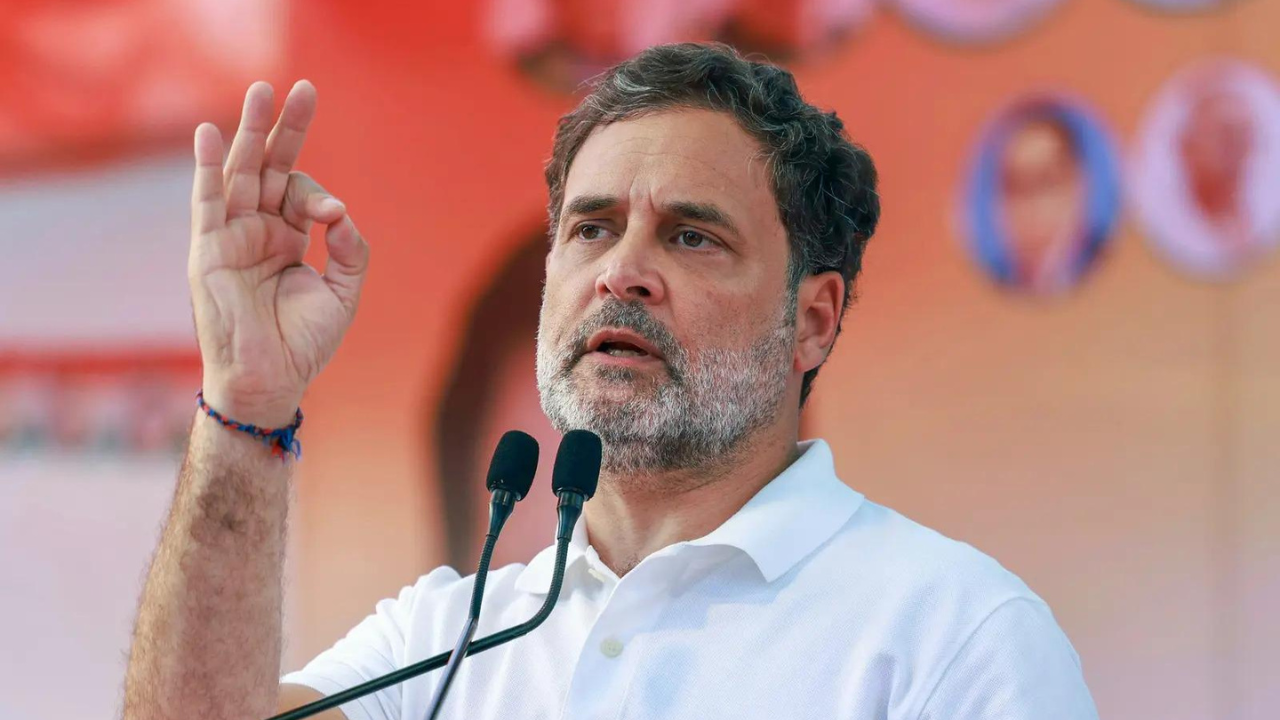
A new support package for India’s fleet of fighter jets has become the latest flashpoint in the ongoing clash between the BJP and Rahul Gandhi over national security narratives.
The airwaves in Lutyens’ Delhi are thick with renewed confrontation as the BJP mounts a sharp attack on Rahul Gandhi, accusing the Congress leader of inadvertently boosting enemy disinformation. At the heart of the latest political firestorm is the Indian Air Force (IAF) moving forward with a tender for a comprehensive support package for all 36 Rafales. For the ruling party, this administrative move is more than just procurement; it is a tactical rebuttal to claims made by Pakistan during Operation Sindoor.
The clash of narratives
During the height of Operation Sindoor, Pakistan’s information ecosystem aggressively circulated claims that it had successfully downed Indian Rafale fighter jets. BJP IT cell chief Amit Malviya has now alleged that instead of dismissing these claims as fabrications, Rahul Gandhi chose to direct his skepticism at the Union government. According to the BJP, this approach mirrored Pakistan's own propaganda, effectively providing legitimacy to a hostile neighbour’s disinformation campaign at a moment of acute national security tension.
The BJP’s argument hinges on a simple point of logic: if the jets had indeed been lost in combat, the IAF would not be issuing a support tender for the entire fleet today. By questioning the government’s stance while the adversary was actively spreading false reports about the fighter jets, the BJP claims the Congress leader crossed a red line. Malviya insisted that such actions do more than just stir political discord; they potentially sap the morale of armed forces operating on the front lines.
Why it matters
This incident highlights a recurring pattern in Indian parliamentary discourse, where the boundaries between legitimate oversight and national security sensitivity are increasingly blurred. When political leaders treat military claims with suspicion, it is often framed by opponents as a lack of solidarity in times of crisis. The bigger picture here is the weaponization of "information warfare." In a modern conflict, the battlefield isn't just in the skies; it is in the digital space where narratives are fought over with as much intensity as hardware. For the electorate, this suggests that the friction between the government and the opposition is no longer confined to economic or social policy, but has firmly entrenched itself in the domain of strategic intelligence and national pride.
The political fallout is predictable. While the BJP is using the procurement tender to signal a "collapse" of the adversary's narrative, the Congress is likely to view this as a diversionary tactic meant to deflect from other pressing governance issues. As the debate continues, the fundamental question remains: where does the role of an opposition leader end and the duty of national, non-partisan support for the military begin? Until that line is better defined, every major procurement and every military operation will likely serve as fuel for this ongoing, high-stakes political rivalry.
Arjun Mehta reports on government, policy and Parliament for PoliticalPedia, in English and Hindi.