IAEA unable to inspect Iranian nuclear facilities amid escalating West Asia tensions
UN nuclear watchdog says it’s been unable to inspect Iranian facilities
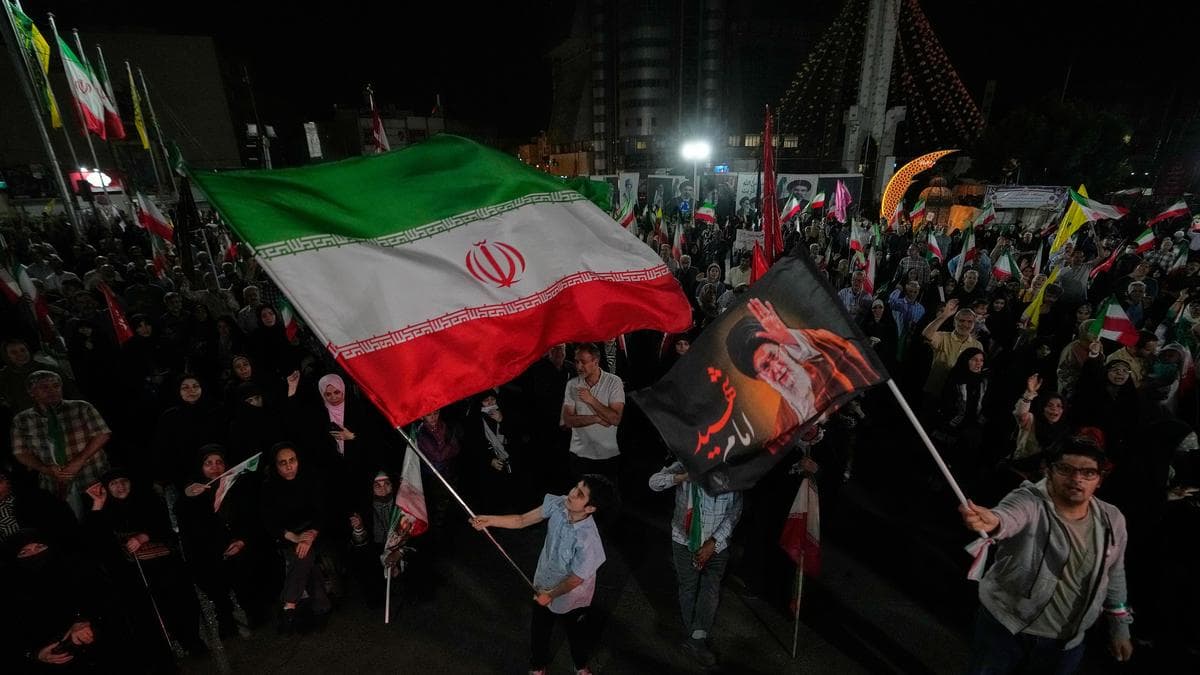
A confidential report reveals that the UN nuclear watchdog has lost oversight of Tehran's enrichment activities following recent regional conflict.
The International Atomic Energy Agency (IAEA) has sounded an alarm, confirming it has been unable to inspect critical Iranian nuclear facilities throughout June. In a confidential report circulated to member states, the UN nuclear watchdog stated it can no longer verify the size, composition, or whereabouts of Iran’s uranium stockpile, nor confirm if enrichment-related activities have been suspended. The agency warned that it is currently unable to discharge its essential safeguards responsibilities under the Nuclear Non-Proliferation Treaty, describing the restoration of access as an "indispensable and urgent" priority.
A widening surveillance gap
The lack of transparency stems from the broader regional conflict that has engulfed West Asia since early June. While inspectors managed to visit the Bushehr nuclear power plant between June 1 and June 3, the site remains a separate case, as it utilizes low-enriched uranium supplied by Russia for power generation. For the rest of the country’s sensitive infrastructure, the IAEA’s access has been effectively severed. Under standard guidelines, the agency is required to verify highly enriched material on a monthly basis, a protocol that has now been disrupted by the volatile security landscape.
The enrichment threshold
The intelligence gap is particularly concerning given the status of Iran’s nuclear program prior to the current blackout. According to IAEA data, Iran maintains a stockpile of 440.9 kilograms of uranium enriched to 60% purity. Rafael Grossi, the IAEA Director General, has previously cautioned that this material sits just a technical step away from the 90% threshold required for weapons-grade uranium. While the agency has stopped short of claiming that Iran is currently weaponizing its program, Grossi has noted that the existing stockpile contains enough fissile material to potentially produce as many as 10 nuclear devices.
Diplomatic and military friction
The standoff is exacerbated by a hardening of positions on both sides. While the IAEA has expressed a readiness to support diplomatic efforts aimed at finding a mutually acceptable solution, Tehran has countered by demanding that the watchdog clarify its stance on the alleged bombing of nuclear sites during the recent conflict before allowing inspectors back in. This friction coincides with a deteriorating security situation; recent drone strikes targeting a passenger terminal in Kuwait, which resulted in casualties and the temporary closure of the airfield, underscore the fragility of the ceasefire currently being negotiated by regional and global mediators.
Why the breakdown matters
The failure to inspect these sites creates a dangerous "blind spot" in international security. Without consistent monitoring, the global community lacks the empirical data necessary to distinguish between civilian nuclear energy projects and potential military shifts. As the war in West Asia enters its fourth month, the IAEA’s inability to verify the status of these facilities significantly complicates the ongoing, albeit strained, negotiations aimed at de-escalating the crisis and preventing a further proliferation of nuclear capabilities in an already volatile region.
The PoliticalPedia Editorial Desk brings verified, sourced political news and analysis from across India.