Former Tibet Government Head Che Dalha Sentenced to Life in Prison Over Corruption
Former Tibet government head sentenced to life in prison
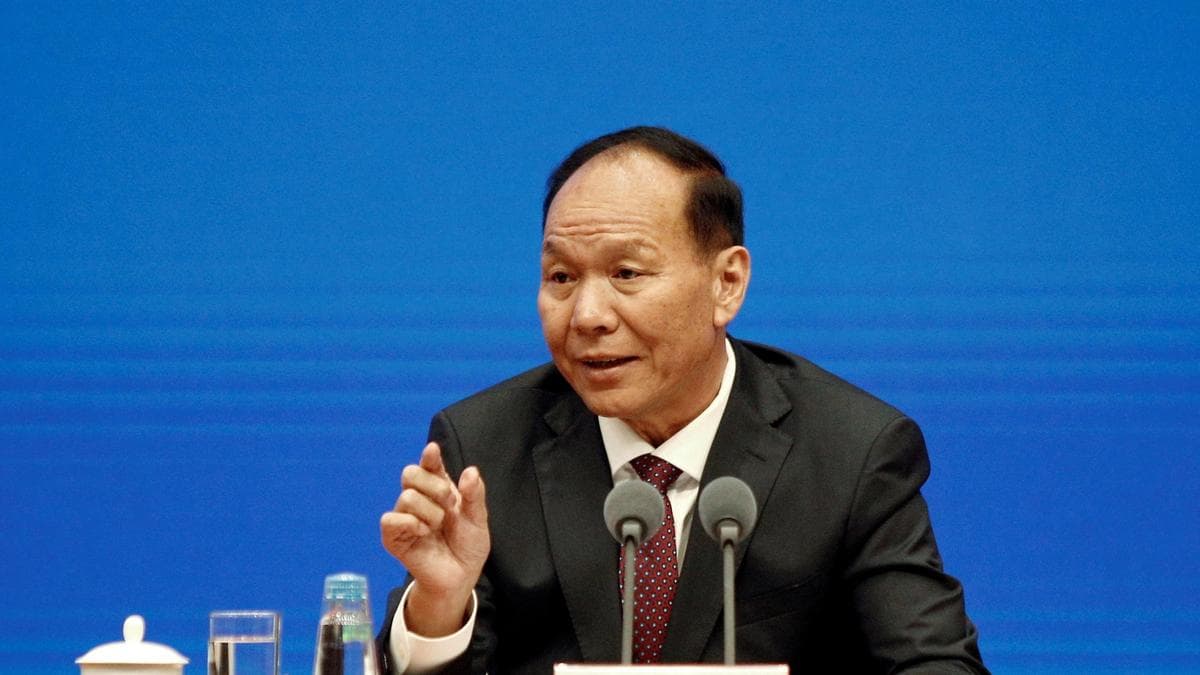
A Chongqing court has handed a life sentence to the former Tibetan regional leader for his role in a multi-million yuan bribery scandal spanning over two decades.
In a high-profile corruption case that has reverberated through China’s political hierarchy, Che Dalha—the former head of the Tibet Autonomous Region government—has been sentenced to life in prison. The verdict, delivered by a court in the southwestern city of Chongqing on Friday, brings a definitive end to a massive graft investigation that began in early 2025. Known also as Qizhala, the 67-year-old official was found guilty of accumulating over 158 million yuan ($23.35 million) in illicit gains between 1999 and 2025.
The court’s findings detail a systemic abuse of power across several Chinese provinces. During his tenure in Beijing and the southwestern border regions of Yunnan and Tibet, Dalha allegedly facilitated real estate contracts, administrative approvals, and career promotions in exchange for valuables and property. As the former Communist Party chief of Lhasa and the second-highest-ranking official in the Tibet region, his actions were deemed by the court to have inflicted "particularly serious losses" upon the state and its citizenry.
A Wider Crackdown on Graft and Governance
The sentencing of Dalha arrives amidst an intensifying anti-graft campaign initiated by Beijing. While the judiciary noted that the former official admitted his guilt and expressed remorse, the punishment remains severe, including the permanent deprivation of political rights and the total confiscation of his personal assets. This case underscores the tightening institutional control over regional leadership, a trend that has accelerated under the current central administration since 2012.
The proceedings against the former Tibetan leader highlight the complex intersection of high-level political corruption and the region's sensitive governance. Beijing’s approach to the Tibet Autonomous Region remains a subject of intense scrutiny from international observers. While official state channels focus on the legal mechanics of anti-corruption efforts, human rights groups and exiles continue to describe the broader environment in Tibet as "oppressive," pointing to a long history of detention and monitoring of political figures and activists.
Contextualizing the Regional Climate
The case of Che Dalha occupies a unique space within the broader landscape of Chinese governance, where high-stakes judicial actions often run parallel to ongoing geopolitical tensions. In recent years, multiple reports have highlighted the varying fates of prominent figures in China, ranging from former defence ministers receiving death sentences with reprieves to the detention of local monks. For those tracking rights trends in the region, the life sentence for a high-ranking official like Dalha serves as a reminder of the fragility of power for those caught in the crosshairs of state oversight.
As the authorities continue their campaign against institutional corruption, the case remains a significant milestone in the administrative history of Tibet. For the international community, the sentencing is viewed through a dual lens: as an internal disciplinary measure by the Chinese government, and as a component of the broader, contested narrative regarding human rights, political imprisonment, and the rule of law in modern China.
The PoliticalPedia Editorial Desk brings verified, sourced political news and analysis from across India.