Himalayan Seismic Activity Jolts Five Nations; Tremors Felt Across India and Beyond
Earthquake hits several Indian cities; tremors felt across China and Bangladesh
Residents from Kolkata to the Himalayan foothills evacuated buildings as a series of tremors rippled through the subcontinent, reigniting concerns over the region's volatile tectonic stability.
A powerful magnitude 5.6 earthquake, centered in Bhutan, sent shockwaves across five nations on Sunday, marking a significant seismic event in a region already on edge. The tremors were felt intensely across parts of India, China, Bangladesh, and Nepal, prompting widespread alarm. While emergency teams are currently assessing the impact, initial reports indicate that despite the panic that led many residents to rush out of homes and high-rise buildings, there have been no immediate reports of major structural collapses or casualties in the affected Indian states.
A Regional Pattern of Instability
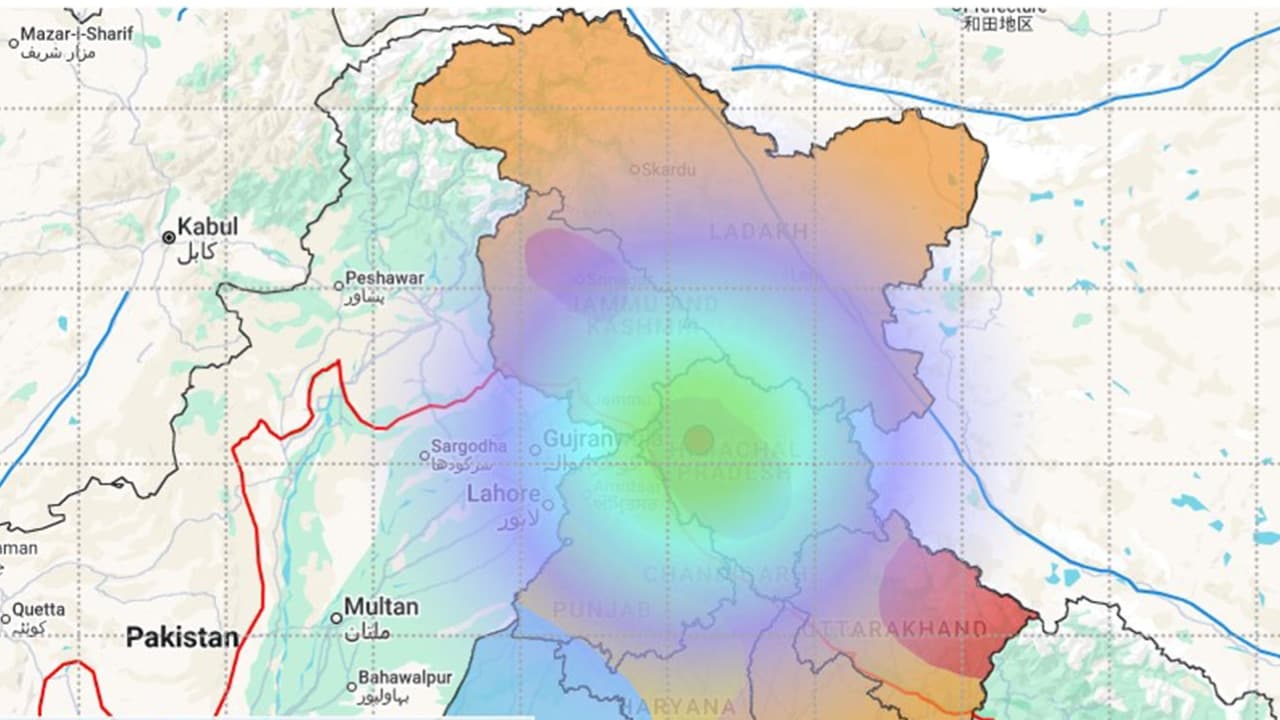
This event follows a volatile week for the Indian subcontinent. Just days prior, the Dhauladhar ranges in Himachal Pradesh experienced a sequence of seismic disturbances. PTI reports indicate that a 5.0 magnitude quake struck the Kangra-Chamba border on June 5, originating at a depth of 22.5 kilometers. That event was preceded by a smaller 2.3 magnitude tremor earlier in the morning and followed by subsequent aftershocks of 2.8 and 3.0 magnitude. These consecutive events highlight the high seismic risk posed by the ongoing collision between the Indian and Eurasian tectonic plates.
Impact Across Borders
The reach of these seismic waves has been extensive, with the latest magnitude 5.7 activity causing notable panic in eastern India. Residents in Kolkata reported feeling strong, sustained tremors, leading to a surge in search queries for "earthquake near me" as people sought real-time updates. Simultaneously, reports from Bangladesh suggest a more severe toll, with multiple sources indicating at least six fatalities and several injuries in the country, underscoring the varying intensity of the shockwaves as they radiated outward from the Himalayan epicenter.
Geography of Risk
Geologists have long identified the Himalayan belt as one of the most seismically active zones globally. The crustal pressure built up by the northward drift of the Indian plate remains a constant, latent threat to millions of people residing in the foothills and the surrounding plains. While modern engineering and early evacuation protocols have mitigated the loss of life in many Indian cities, the recent frequency of tremors—ranging from the India-Myanmar border regions to the heart of the Himalayas—serves as a stark reminder of the region's precarious geography.
As authorities continue to monitor the situation, disaster management agencies are urging residents to remain vigilant. The recent spike in activity, occurring from Himachal Pradesh to the eastern states, reinforces the necessity for rigorous adherence to earthquake-resistant building codes and the maintenance of emergency preparedness plans in an area where the ground remains rarely at rest.
The PoliticalPedia Editorial Desk brings verified, sourced political news and analysis from across India.