Grief and Justice: Ketan Agarwal’s grandfather dies weeks after realtor's alleged murder
'Unwell since his death': Ketan Agarwal's grandfather dies of cardiac arrest
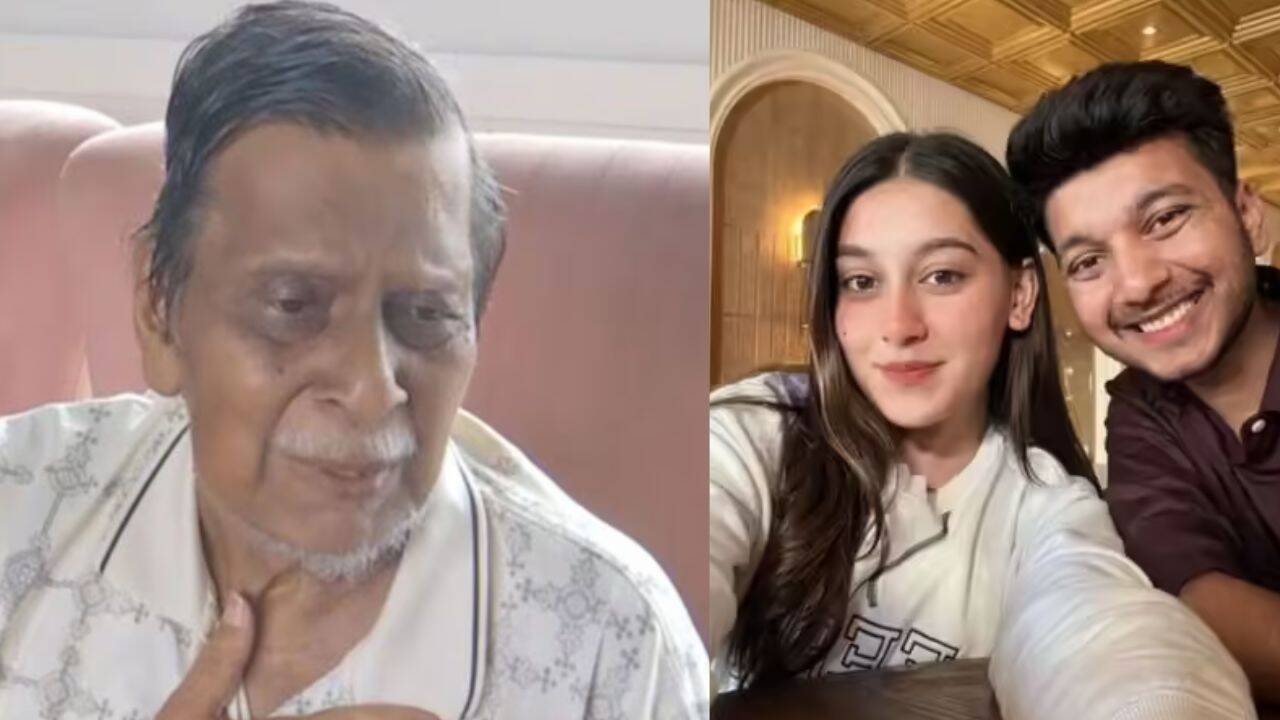
Devichand Agarwal, 71, passed away following a cardiac arrest, succumbing to failing health in the shadow of his grandson’s mysterious death at Lohagad Fort.
The Agarwal family is reeling from a second tragedy within a month. Devichand Agarwal, the grandfather of Pune-based realtor Ketan Agarwal, passed away late Saturday night at the age of 71. His death comes just 16 days after the sudden and violent demise of his grandson, whose body was discovered at the Lohagad Fort—an incident that investigators are currently treating as a potential murder.
Family members have noted that Devichand had been profoundly unwell since the news of Ketan’s death broke. The trauma of the loss reportedly weighed heavily on the septuagenarian, culminating in a fatal cardiac arrest at 9:45 pm. For a family already struggling to find closure amidst a high-profile police investigation, this second loss has amplified the sense of despair surrounding the case.
A case in limbo
The investigation into Ketan Agarwal’s death remains the focal point for the authorities in Pune. The circumstances surrounding his fall at the historic fort have sparked widespread speculation, with the family consistently pushing for a thorough probe into what they believe was a calculated crime. As the investigation drags on, the strain on the grieving kin has become increasingly evident.
While the police continue to gather evidence and process the scene, the death of the family patriarch adds a grim layer to an already complex legal battle. The delay in finding definitive answers regarding Ketan’s final moments has clearly taken a physical and emotional toll on those closest to him.
Why it matters
This tragedy highlights a recurring pattern in criminal cases involving prominent citizens: the secondary trauma inflicted on surviving family members. When an investigation remains stalled or unresolved, the emotional fallout often leads to physical health deterioration, as seen in the case of Devichand Agarwal.
From a systemic perspective, the "justice gap"—the time between a suspicious death and a clear legal conclusion—is not merely a procedural concern. It is a human one. The longer a case remains under investigation without a breakthrough, the deeper the psychological scar left on the family. As Pune police continue their work, the pressure to deliver results is mounting, not just to satisfy the law, but to prevent further disintegration of a family already fractured by violence.
Rohan Gupta covers the economy, markets and companies for PoliticalPedia.