Gaza, Foreign Policy, and the Return of Domestic Polarization
Sonia Gandhi targets Centre over Gaza; BJP says Congress plays 'vote bank' politics
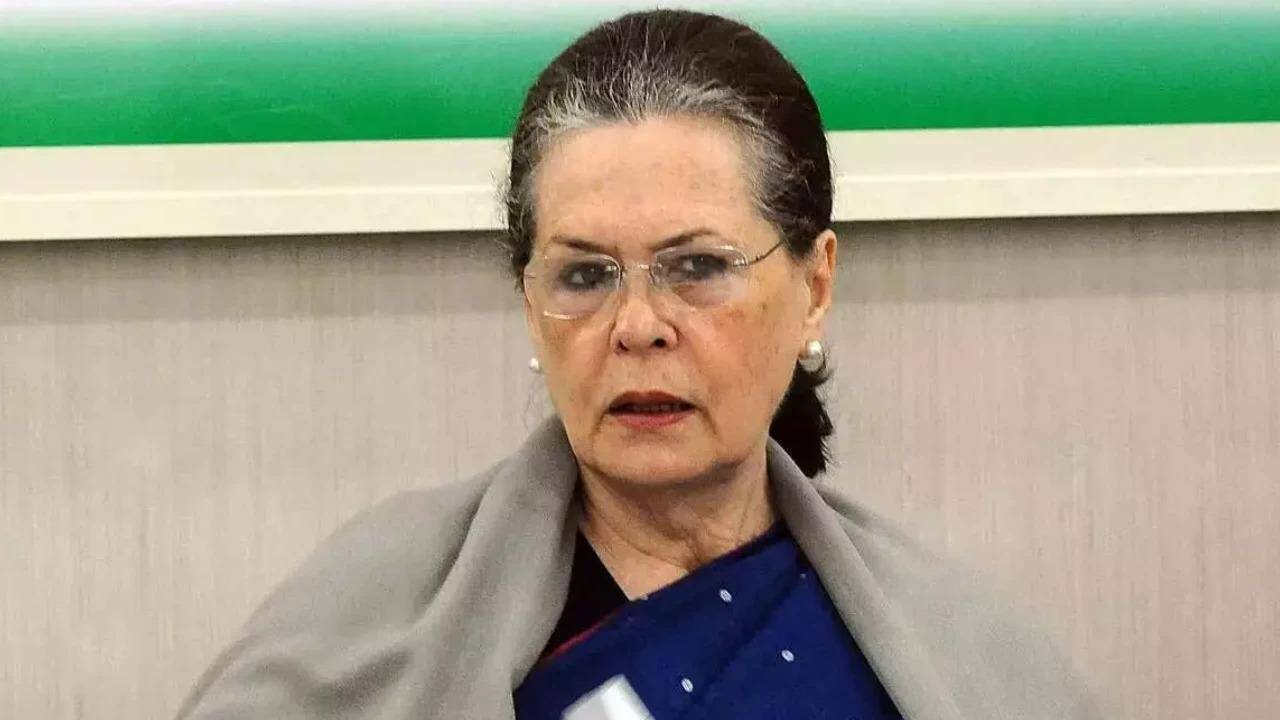
As the humanitarian crisis in Gaza deepens, a heated war of words between Sonia Gandhi and the BJP reveals how international conflict is being weaponized in India’s domestic political arena.
The divide over India’s response to the Gaza conflict has spilled over from global forums into the heart of New Delhi’s political discourse. Congress leader Sonia Gandhi, in a recent opinion piece, challenged the Centre on its shifting stance regarding the Middle East, arguing that the government has drifted away from a long-standing tradition of post-colonial solidarity. While she acknowledged the October 2023 Hamas attack as "dastardly and horrific," she contended that the subsequent military campaign by Israel has been defined by "wanton cruelty," citing harrowing reports from the UN Independent International Commission of Inquiry.
For Gandhi, the silence from the Indian establishment is not just a diplomatic oversight; it is a fundamental departure from the principles that once defined India’s foreign policy. She highlighted the extensive destruction of civilian infrastructure, schools, and hospitals in Gaza, and drew attention to the Commission’s findings—which include reports of disproportionate casualties among children—as evidence that India should be taking a more vocal, principled stand on the humanitarian crisis.
The BJP’s Counter-Punch
The BJP was quick to frame the criticism not as a matter of humanitarian concern, but as a calculated political maneuver. Party spokesperson Shehzad Poonawala dismissed the Congress leader's arguments as classic "vote bank" politics. According to the BJP, the opposition is attempting to dictate foreign policy through a lens of identity politics, ignoring the nuanced work the current government has done on the global stage.
Poonawala pointed out that India has consistently articulated its position at international forums and has actively provided humanitarian aid to the people of Gaza. He further reminded critics that Prime Minister Narendra Modi is a recipient of Palestine’s highest civilian honour, suggesting that the government has maintained a balanced, pragmatic approach. The BJP’s riposte went a step further, accusing the Congress of selective outrage—questioning why the party remains vocal about Gaza while seemingly silent on the treatment of Hindus in Dhaka.
Why it matters
This clash highlights a recurring pattern in Indian politics: foreign policy is rarely insulated from the domestic ballot box. As the conflict in Gaza continues to polarize global opinion, the arguments from both the Congress and the BJP suggest that for domestic parties, how one interprets a conflict thousands of miles away is now an extension of one's core political identity. For the Congress, the objective is to reclaim a moral high ground rooted in its traditional foreign policy legacy. For the BJP, the priority is to project a pragmatic, nationalist outlook while framing the opposition’s stance as a cynical ploy to consolidate specific voter bases. As election cycles loom, expect the international stage to serve as a high-stakes theatre for these internal ideological battles.
Kabir Sharma writes on culture, technology and everyday life for PoliticalPedia.