Ganga-Jamuni Tehzeeb: Why Lucknow Remains a Living Lesson in Coexistence
Ganga-Jamuni Tehzeeb: Why Lucknow still offers finest lessons in coexistence
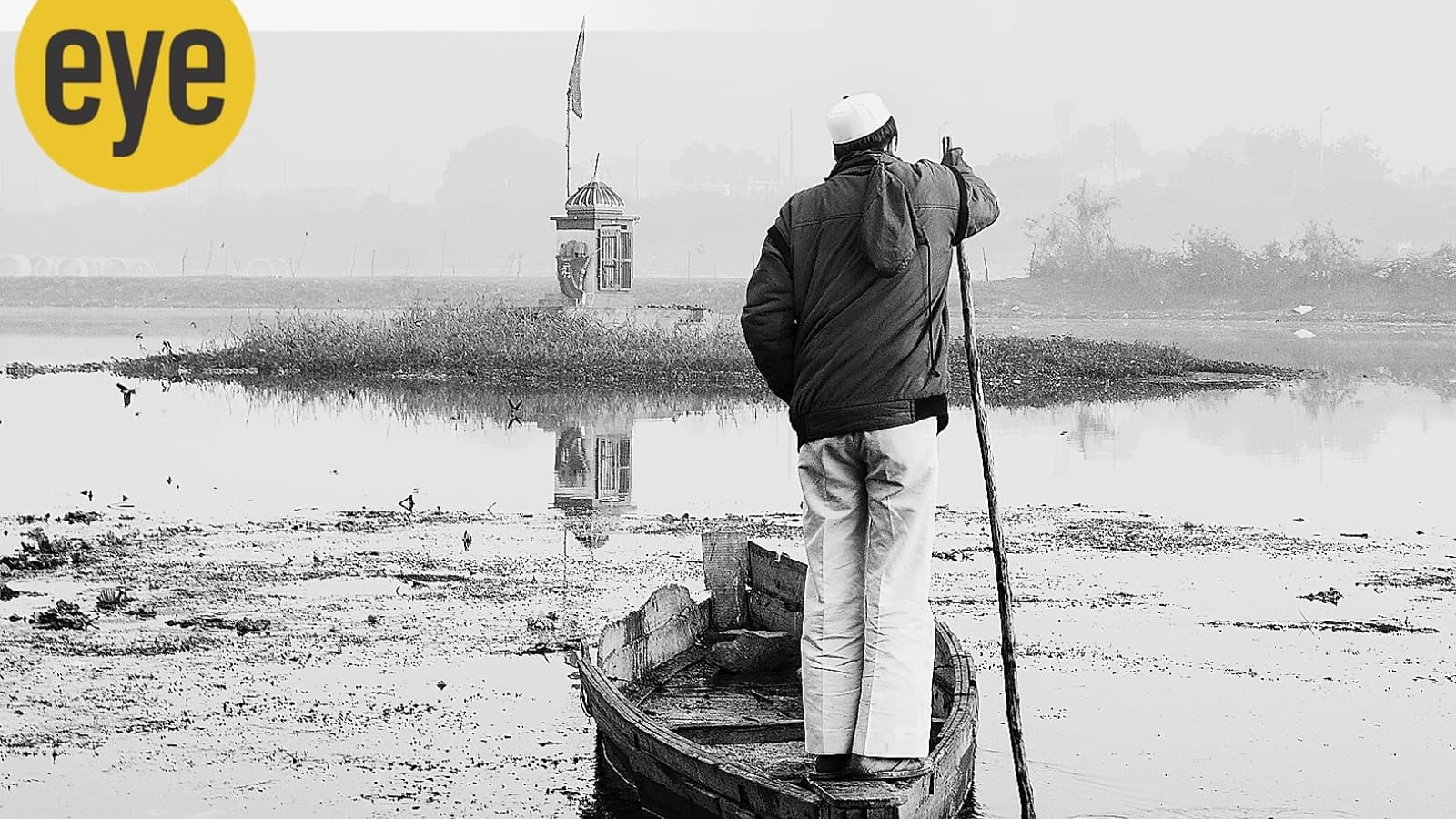
In an era of rising social fragmentation, the historic capital of Awadh continues to embody a syncretic ethos that prioritizes shared humanity over identity politics.
Some cities are remembered for their monuments or their commerce, but Lucknow earns its reputation by educating the soul. Long before the term "Ganga-Jamuni tehzeeb" became a staple of political discourse or academic debate, it was simply the lived reality of the region. This unique cultural synthesis—a blend of traditions that transcends religious and caste boundaries—continues to define the city’s character, offering a quiet, radical alternative to the divisiveness seen elsewhere in the country.
Beyond the Slogans
The essence of this coexistence is rooted in a tradition of courtesy, compassion, and conversation. Historically, the city functioned on the principle that before religion, language, or political affiliation, there is the fundamental sanctity of humanity. While many urban centers today appear determined to shrink into smaller, more rigid certainties, Lucknow maintains a gloriously expansive worldview. It does not market itself into magnificence; it simply practices a philosophy that values people over labels.
Visionary Foundations
The continuity of this spirit is reflected in the work of modern institution-builders who draw inspiration from the city’s ethos. A prominent example is SP Singh, the founder of Lucknow Public School and Lucknow Public College of Professional Studies. An educational visionary and current Member of Parliament from Pratapgarh, Singh’s journey from a village to the forefront of Uttar Pradesh’s educational landscape mirrors the city’s own transformative potential. By creating institutions that serve tens of thousands of students, he has demonstrated how one individual’s vision can expand opportunity far beyond personal circumstance.
A Legacy of Possibility
The significance of figures like Singh lies in their ability to create possibility where there was once none. In a state often characterized by its complex social dynamics, such leadership serves as a bridge. The impact of these institutions is not merely measured in academic outcomes, but in the transmission of values that sustain the "tehzeeb" of the region. By fostering environments that welcome diversity, these educational hubs ensure that the lessons of the past remain relevant for the next generation.
Why the City Still Matters
Lucknow offers a vital study in how a society can hold onto its heritage while navigating the pressures of modernity. It serves as a reminder that coexistence is not a stagnant historical relic, but a dynamic, daily practice. As the world becomes increasingly addicted to division, the city’s refusal to shout its greatness or demand admiration remains its most powerful asset. It remains a rare place where faith is cherished, but the common thread of humanity is held as sacred.
The PoliticalPedia Editorial Desk brings verified, sourced political news and analysis from across India.