From Symptom Search to AI Chatbots: Is India Ready for the Digital Consultant?
AI Over Doctors? More Indians Seeking Health Guidance Through ChatGPT | Health Matters | News18
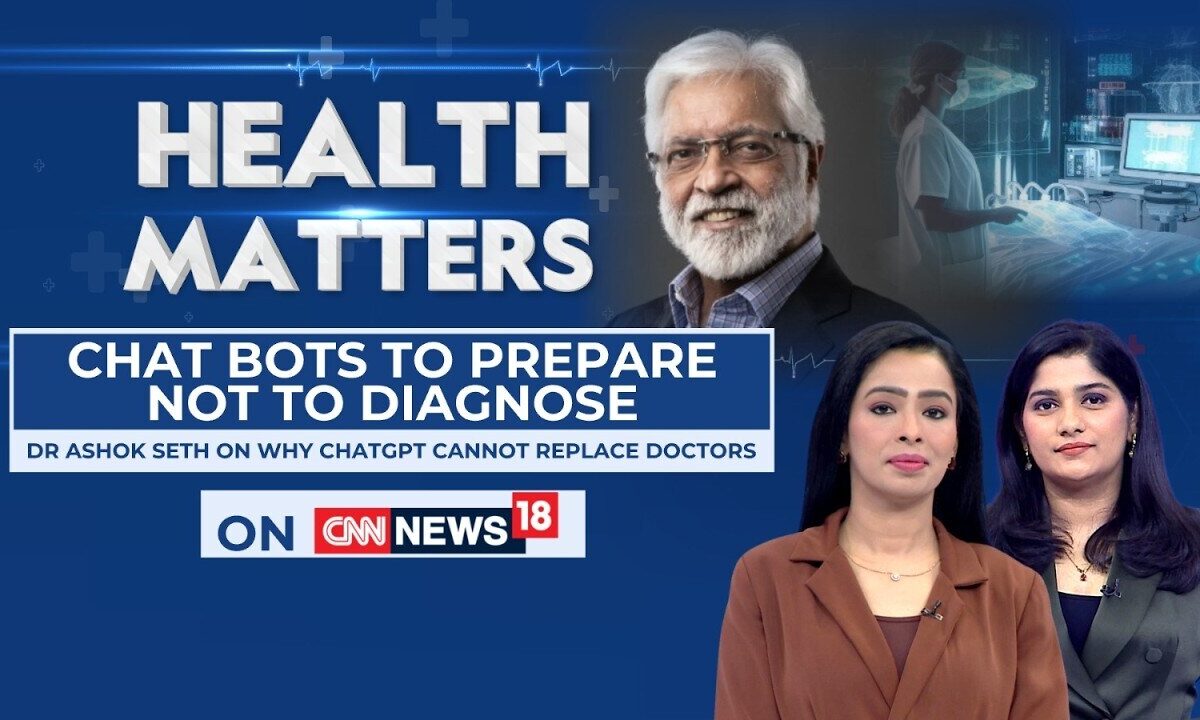
As millions of Indians turn to ChatGPT for instant medical guidance, the traditional doctor-patient relationship faces a quiet but significant transformation.
The hum of a waiting room is increasingly being replaced by the silent glow of a smartphone screen. For many Indians, the first port of call when a persistent cough or an unexplained ache sets in isn't a family physician, but a prompt bar. This shift toward seeking guidance through ChatGPT for health matters is moving faster than our regulatory frameworks can keep pace with. Whether it is decoding complex lab reports, seeking diet plans, or gauging the urgency of a new symptom, the convenience of instant, 24/7 information is proving too tempting for a digitally savvy population.
The Digital Shortcut
The trend of choosing AI over doctors reflects a broader change in how we interact with information. While the West, including the UAE and the US, has seen a parallel rise in AI-supplemented healthcare, the Indian context is unique. Given the stark disparity in doctor-to-patient ratios, particularly in tier-2 and tier-3 cities, AI chatbots are filling a vacuum. They offer what the overburdened public healthcare system often cannot: immediate, accessible, and non-judgmental dialogue. From fitness routines to preventive healthcare, the reliance on these platforms is becoming a daily ritual.
Yet, this convenience comes with a "risky gap." Medical experts are increasingly vocal about the dangers of algorithmic bias and the lack of clinical accountability. Unlike a qualified professional who can physically examine a patient and factor in medical history, an AI model provides probabilistic answers based on patterns in data. When an algorithm misinterprets a critical symptom as a minor ailment, the consequences go far beyond a technical glitch—they touch on fundamental patient safety.
Balancing Speed and Safety
The medical community remains divided. On one hand, tools like ChatGPT can be powerful aids for mental health support or basic health literacy, provided they are used under therapist-approved guidelines. On the other, there is a legitimate fear that patients may bypass professional consultation entirely. Recent guidelines from states like Bihar, which mandate years of service for government doctors, highlight the ongoing struggle to keep qualified professionals in the public fold. As the healthcare ecosystem evolves, relying on machines for primary diagnoses creates a precarious dependency.
Why it Matters: The Bigger Picture
This is not merely a story of technological adoption; it is a signal that our healthcare delivery models are ripe for disruption. The fact that more Indians are seeking AI-driven health advice suggests that the current system is failing to meet the expectations of speed and transparency that the modern consumer demands. The future likely lies in a hybrid model—one where AI acts as a triage tool for the healthcare industry rather than a replacement for the human touch. If regulation doesn't catch up to the speed of innovation, we risk normalizing a culture of "self-diagnosis" that could leave the most vulnerable without the clinical validation they desperately need.
Ananya Iyer covers global affairs with an Indian lens for PoliticalPedia.