El Nino Is Here: Why India’s Monsoon Faces a Severe Test
El Nino Is Here, Weather Conditions To Get Severe During Monsoon: IMD
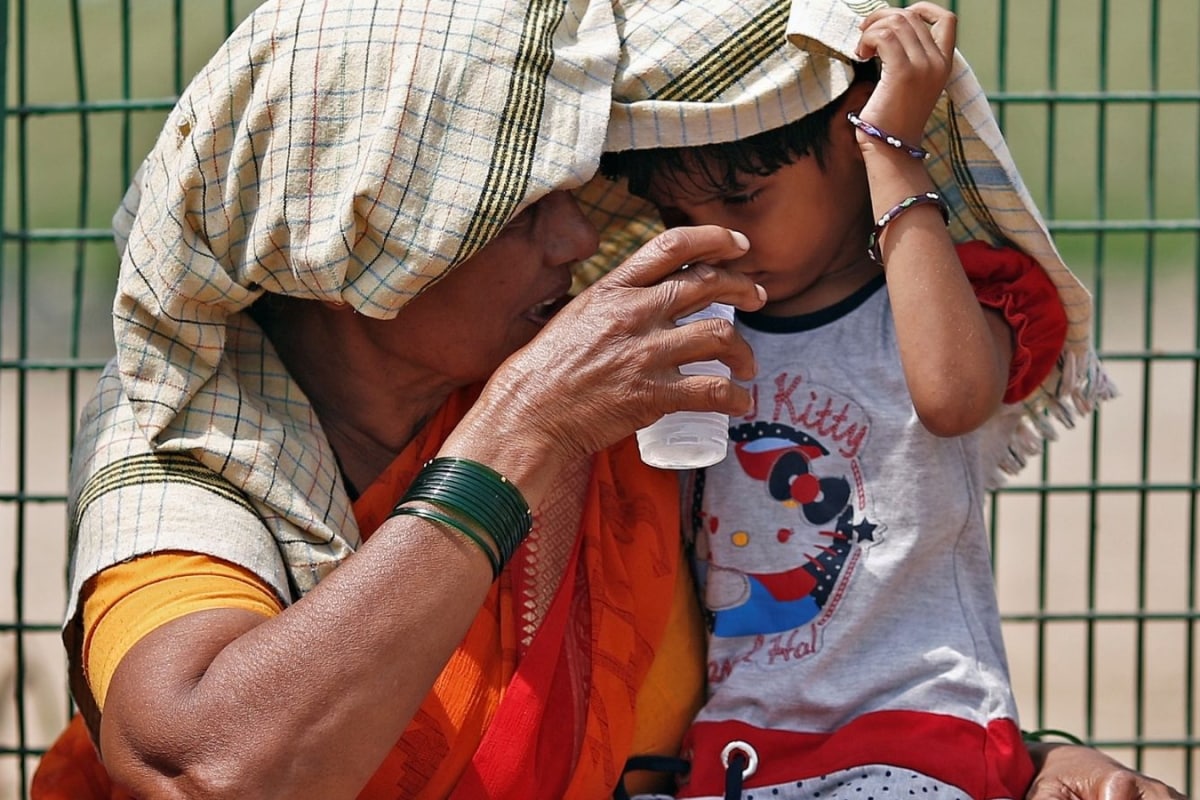
As the IMD confirms the onset of El Nino, the shadow of erratic rainfall looms over the country’s agricultural heartland and urban infrastructure.
The air in the national capital and across the northern plains has been thick with a familiar, stifling heat, but the latest bulletin from the India Meteorological Department (IMD) offers little relief. The agency has officially confirmed that El Nino is here, marking a significant shift in the equatorial Pacific Ocean that is set to dictate the rhythm of our weather for the coming months. With sea surface temperatures warming, the atmosphere is already responding, signalling that we should brace for weather conditions to get severe during monsoon.
For a country where the southwest monsoon is the lifeline for both farmers and the urban economy, the timing is critical. While the monsoon officially marks the start of the agricultural cycle, the IMD’s Monsoon Mission Coupled Forecast System (MMCFS) indicates that El Nino conditions are likely to strengthen precisely when the country needs steady rainfall the most. This isn't just about a delayed start; it is about the potential for a fragmented, uneven season that could disrupt everything from reservoir levels to crop yields.
A Pattern of Disruption
History reminds us that we are entering familiar, if uncomfortable, territory. Since the turn of the century, we have seen similar climate phenomena play out in 2002, 2009, 2015, and most recently in 2023. These years often brought with them the spectre of drought in some regions while triggering flash floods in others. The current data suggests a 60% probability that this could mirror the intensity of 2015, one of the more challenging years for Indian agriculture.
The complexity of the current weather is evident on the ground. While some cities are bracing for heavy, unseasonal squalls—a sharp contrast to the prolonged heatwaves that have gripped the country—the long-term forecast points to a below-normal rainfall trend. Whether it is the IT hubs dealing with sudden waterlogging or the rural belts worried about sowing cycles, the volatility of the weather is becoming the new normal.
Why It Matters: The Bigger Picture
Beyond the immediate daily forecasts, this shift underscores a growing vulnerability in India’s climate resilience. When we talk about El Nino, we aren't just discussing meteorology; we are talking about food inflation, water security, and the strain on our aging urban drainage systems. The trend of erratic rainfall, punctuated by extreme heat, forces a rethink of how we manage our resources.
The political and economic stakes are high. A weak monsoon often translates into pressure on food prices, which inevitably becomes a flashpoint in policy discourse. As the IMD continues to track the intensification of these ocean-atmosphere conditions, the focus must shift from merely tracking the arrival of the rains to preparing for the consequences of their absence or their excess. For now, the messaging is clear: the season ahead will be anything but standard.
Priya Nair covers parties, elections and the business of power for PoliticalPedia.