From Satire to Streets: CJP Founder Dipke Warns of Pan-India Agitation Over Exam Irregularities
Will Protest In Multiple States If Pradhan Doesn't Resign: CJP Founder Dipke
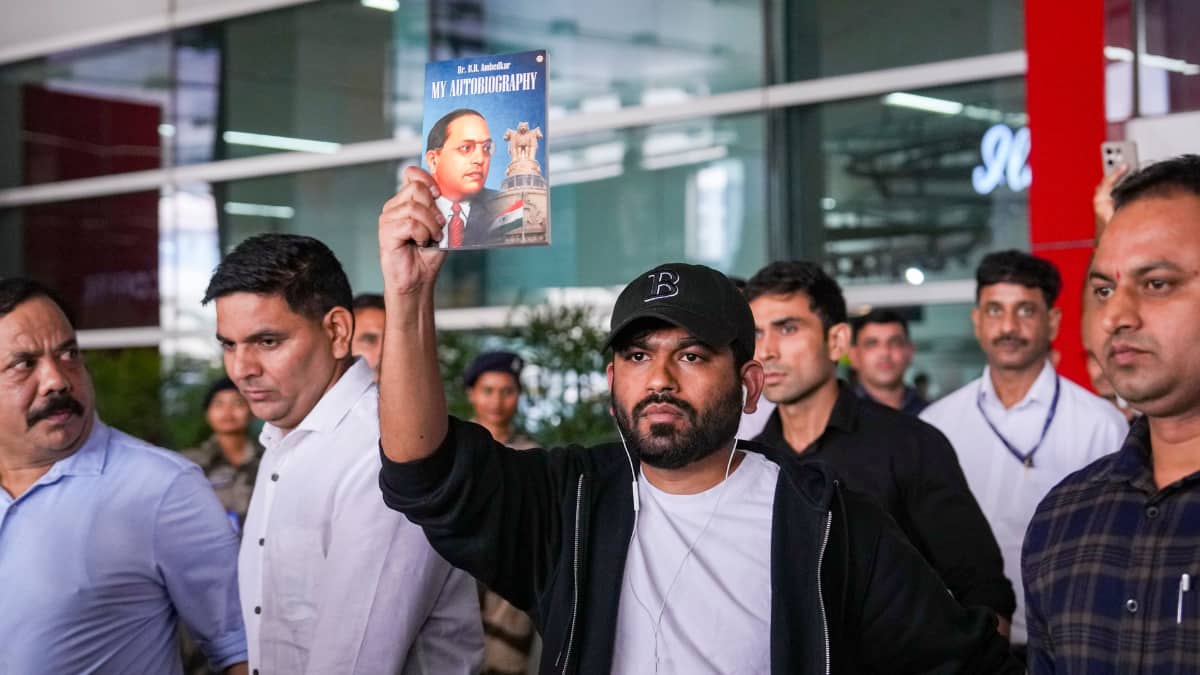
Abhijeet Dipke, the man behind the Cockroach Janata Party, has issued a sharp ultimatum to the Union Education Minister, promising a multi-state protest surge if demands for accountability go unheeded.
The classroom crisis has found a new, unlikely face. What began as a niche, satirical online movement triggered by a derogatory "cockroach" remark has morphed into a tangible street-level challenge for the Union government. Abhijeet Dipke, the founder of the Cockroach Janata Party (CJP), has set a definitive deadline: if Union Education Minister Dharmendra Pradhan does not resign by June 13 over the systemic failures and alleged irregularities in national recruitment and entrance tests, the agitation will spill out of Delhi and into the streets of multiple states.
The Escalation of Dissent
Fresh off a demonstration at Jantar Mantar on June 6, Dipke is shifting gears. He claims that the initial Delhi protest was merely a trailer for a larger, coordinated national effort. In a video address, Dipke confirmed that he plans to personally travel across various cities and states to drum up support, arguing that the Minister must take moral responsibility for the future of over one crore students affected by exam paper leaks and administrative lapses.
Dipke has been careful to distance his movement from the volatile, student-led upheavals witnessed in neighbouring countries like Bangladesh and Nepal. While observers have drawn parallels between these Gen Z-led demonstrations and the growing restlessness among Indian youth, Dipke insists on the distinction. He maintains that the CJP operates within the framework of India’s constitutional system and remains a non-political, youth-centric entity—rejecting any ties to established political parties.
Why it matters: The Gen Z Shift
The rise of the CJP points to a significant pivot in how Indian youth are voicing grievances. For years, student activism was largely synonymous with established student wings of political parties. The CJP, however, represents a "platform-first" model of protest—one that uses the language of internet satire to bypass traditional political gatekeepers.
When a movement that started as a viral joke finds the momentum to force a national minister into a defensive position, it signals a deeper disillusionment with official grievance-redressal mechanisms. By demanding accountability for recruitment exam failures, these protesters are tapping into the high-stakes anxiety of India’s young workforce. Whether or not Pradhan resigns, the "Cockroach" brand of activism has successfully elevated exam integrity to a top-tier national talking point, forcing the government to manage a narrative that is increasingly moving beyond its control.
Should the June 13 deadline pass without the desired result, Dipke has vowed that the next phase will involve a return to the national capital, this time with a larger coalition of students from across the country. As the CJP prepares to take its protest to multiple states, the pressure on the Education Ministry to address these systemic cracks is set to intensify.
World Desk at PoliticalPedia covers global affairs for an Indian audience in English and Hindi.