From Non-Profit to Wall Street: OpenAI Files Confidential Paperwork for IPO
OpenAI files confidential SEC paperwork for IPO opening door for Wall Street debut
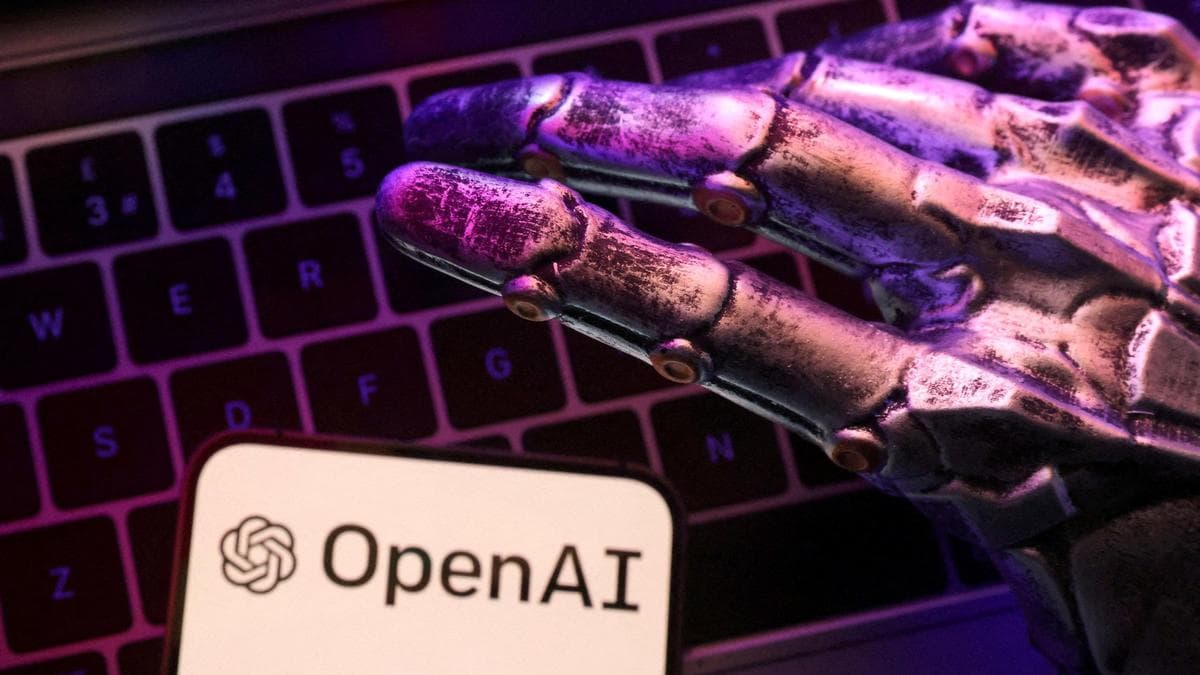
The San Francisco-based giant behind ChatGPT has initiated the formal process to go public, joining a fierce race of tech heavyweights heading toward a market debut.
The race to dominate the future of technology has officially moved from the laboratory to the trading floor. On Monday, June 8, 2026, OpenAI confirmed it has submitted confidential paperwork to the U.S. Securities and Exchange Commission (SEC), signalling its intent to transition from a private entity to a publicly traded company. In a blunt statement acknowledging the leak, the firm noted that while it has yet to set a firm timeline, the filing provides a crucial option for a Wall Street debut as the company weighs the trade-offs of public scrutiny against the massive capital requirements needed to sustain its growth.
A Massive Shift in Strategy
This move marks a seismic pivot for a company that began in 2015 as a non-profit dedicated to the common good. Today, that vision is backed by an $852 billion valuation and a need for immense liquidity. CEO Sam Altman has long hinted that an initial public offering (IPO) was the most logical path for an organization of this scale. To clear the runway, the company underwent a significant restructuring last year, pivoting into a public benefit corporation while maintaining a tether to its original non-profit governance.
The path to this filing was not without its hurdles. Recent months saw the company locked in a high-stakes federal jury trial against co-founder Elon Musk, who sought to dissolve the for-profit shift and oust Altman. With a judge dismissing the case on the grounds that Musk’s legal challenge arrived too late, the company has successfully cleared a major courtroom obstacle that threatened its corporate trajectory.
The Competitive Landscape
OpenAI is not acting in isolation. It is part of a powerhouse trio currently vying for investor attention. Rival firm Anthropic—founded by former OpenAI executives—revealed its own push toward an IPO just one week prior, on June 1. Meanwhile, SpaceX has already begun its roadshow, positioning itself as a leader in the space-tech sector. Like its competitors, OpenAI faces the classic dilemma of modern tech unicorns: despite its massive valuation and influence, the company is burning through cash at a rapid rate to fuel its infrastructure needs, with CFO Sarah Friar remaining tight-lipped about the exact timing for turning a profit.
Why it matters
The scramble for Wall Street signifies a maturing phase for the current generation of technology leaders. For investors, these IPOs represent a rare chance to bet on the next era of industrial utility, but they also signal an end to the "wild west" era of private funding. By entering the public markets, OpenAI will be forced to trade its current operational opacity for the rigorous transparency demanded by the SEC. For the sector, this means the pressure to prove actual revenue generation—rather than just computational prowess—will now intensify under the unforgiving lens of public shareholders.
National Affairs Desk at PoliticalPedia covers government & policy for an Indian audience in English and Hindi.