El Niño clouds loom over kharif crops: What a sub-par monsoon means for your wallet
El Niño clouds loom over kharif crops, farm pay
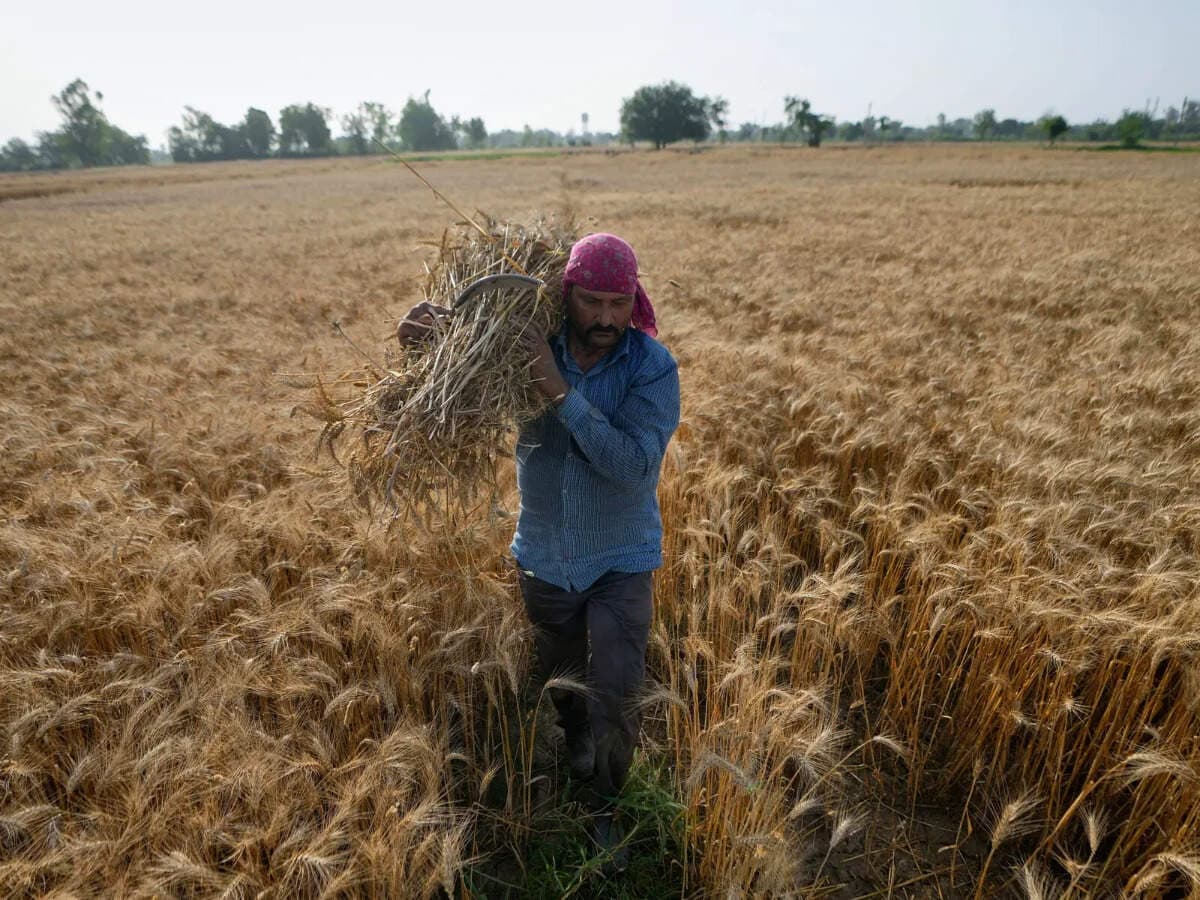
As climate patterns shift, India’s agrarian economy faces a testing season with the looming threat of erratic rainfall and potential hits to rural income.
The monsoon, India’s traditional "economic lifeline," is showing signs of distress this year. With the India Meteorological Department (IMD) forecasting rainfall at just 90% of the long period average (LPA), the shadow of El Niño has returned to haunt the sowing season. As the kharif cycle kicks off, the confluence of rising temperatures and shifting weather patterns is forcing a rethink of what this means for both the farm sector and the broader economy.
Historical patterns and the output risk
History serves as a stern teacher when assessing the impact of El Niño on Indian agriculture. Analysis of past cycles—specifically 1991-92, 1997-98, and 2015-16—reveals a consistent trend: a 1.3% dip in overall kharif crop output. Economists are crunching the numbers, and the correlation is stark. Sakshi Gupta, principal economist at HDFC Bank, notes that every percentage point of monsoon shortfall below the LPA is tied to a roughly 0.4 percentage point drop in the sector's gross value added (GVA) growth.
Certain crops are far more vulnerable than others. Pulses and coarse cereals tend to take the brunt of the volatility. Data suggests that jowar production has historically seen a 28% decline during these cycles, while tur and bajra output have faced significant hits of 17.1% and 15.7%, respectively. Even oilseeds, critical for India’s edible oil imports, are not immune, with groundnut yields historically falling by nearly 6%.
The bigger picture: Resilience vs. Reality
While the government has sought to temper the anxiety by highlighting improvements in irrigation infrastructure, the reliance on rainfall remains total for a large portion of the country's arable land. Rice remains the relative outlier, with about 70% of its cultivation area under irrigation, offering a buffer that crops like maize or pulses simply don't have.
The World Meteorological Organization (WMO) has raised the stakes, placing an 80% probability on El Niño developing during the June-August window, with a 90% chance it persists through November. Because India receives up to 80% of its annual precipitation during the four-month monsoon, any significant deviation during these months is not just a concern for farmers; it is a signal of potential inflationary pressure on food prices.
Why it matters
The broader economic implication is a delicate balancing act. When the kharif harvest falters, the ripple effect is felt in rural demand—a key engine for the domestic economy. If rural incomes erode due to lower yields, discretionary spending in villages shrinks, impacting everything from two-wheeler sales to consumer goods. Furthermore, if the monsoon shortfall forces the government to manage tighter food stocks, the fiscal space for other development projects could contract. The coming months will be a test of how well India’s modernised irrigation systems can mitigate the classic "El Niño squeeze" on the food basket.
Business Desk at PoliticalPedia covers economy & markets for an Indian audience in English and Hindi.