From Loincloths to HR Meetings: How the New He-Man Redefines Masculinity for a Modern Audience
How He-Man and the Masters of the Universe challenges as well as justifies masculinity
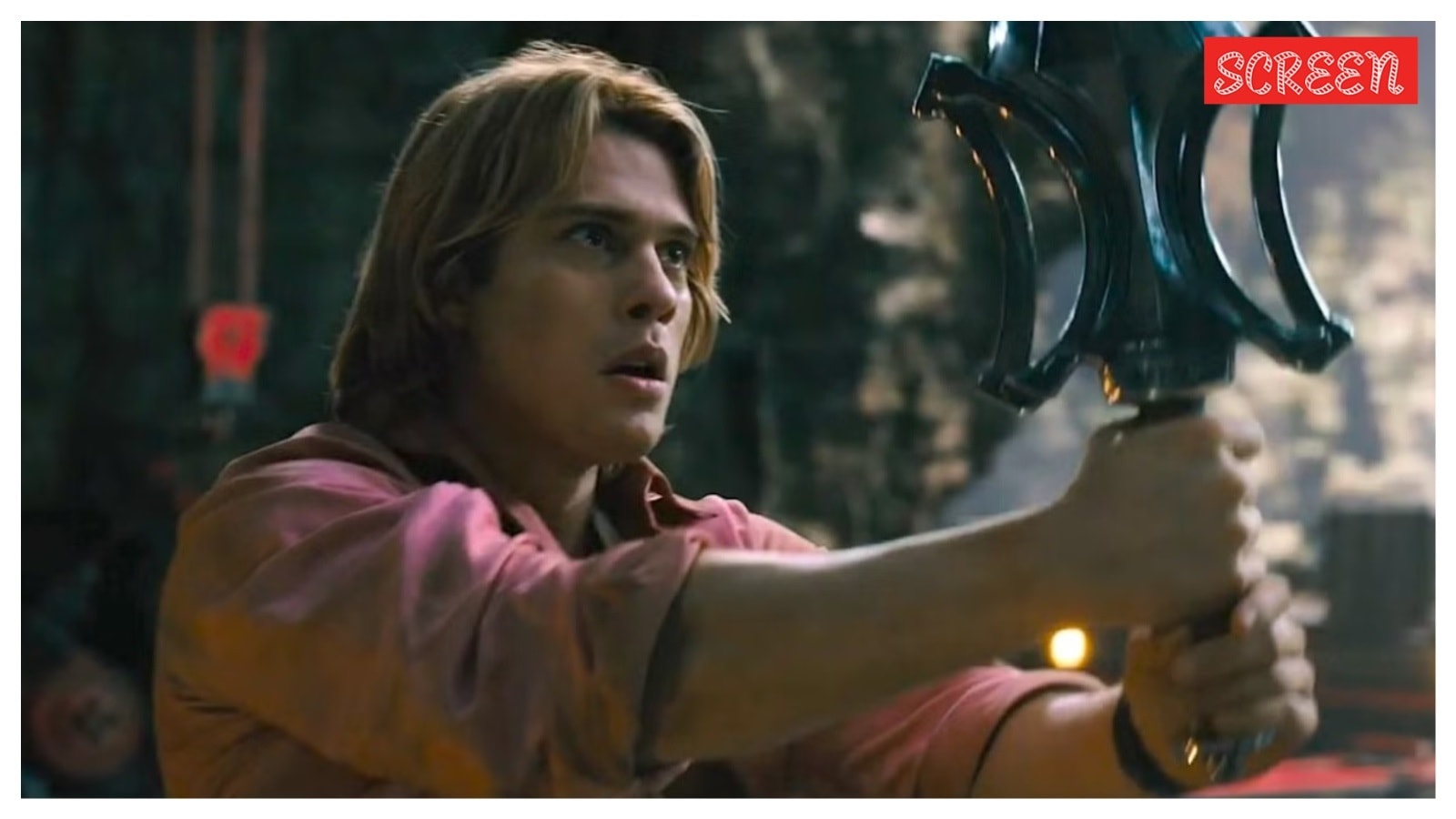
Travis Knight’s latest reimagining of the iconic action franchise trades brute strength for emotional intelligence, sparking a global debate on the changing nature of the male hero.
The silhouette is unmistakable: the bulging biceps, the sorcerous sword, and that legendary loincloth. Yet, when audiences meet Prince Adam in the new He-Man and the Masters of the Universe, they don’t find a warrior standing atop the peaks of Eternia. Instead, they find a young man in Oklahoma City working as an HR manager. This isn’t just a stylistic choice; it is a calculated attempt to dismantle the archaic tropes that defined the 1980s original, forcing us to ask how he, man, and the masters of the universe can exist in an era that values empathy over raw aggression.
In this adaptation, Adam—played by Nicholas Galitzine—is a refugee from Eternia who grows up among Earthlings after being sent away as a child to escape Skeletor. By placing him in an environment where he must internalize human values, the film transforms the character into something far more relatable. He is a Gen-Z protagonist who speaks the language of modern discourse. When conflicts arise, Adam here prefers deliberation and persuasion over the violence that defined his predecessors. Even his iconic moniker is subverted; he only adopts the name "He-Man" as a nod to his pronouns, effectively grounding the hyper-masculinity of the 80s in a contemporary, self-aware identity.
The Pink Shirt Paradox
The most striking visual marker of this shift is Adam’s wardrobe. When he isn't donning the battle gear, he is often seen in a pink shirt—a direct antithesis to the hyper-masculine aesthetics of the past. Thus, the film attempts to bridge the gap between being a powerful protector and a vulnerable human being. Critics are divided, however. While some applaud the update for its sensitivity, others argue that trying to "manage" the inherent absurdity of He-Man misses the point. Some suggest that the franchise should simply embrace that brand of traditional masculinity as an absurdity rather than trying to sanitize it for modern sensibilities.
Why it matters
This transformation is part of a larger trend in Hollywood. Just as Greta Gerwig’s Barbie forced a cultural reckoning with femininity, Mattel is now putting its male icons under the microscope. The move highlights a growing discomfort with the "muscle-bound hero" archetype. For a global audience, this signifies a shift in how we define strength: is a man defined by the power he yields, or the restraint he exercises? By stripping away the ego and replacing it with modern communication skills, the film suggests that the "mastery" of one's universe today involves navigating HR meetings and emotional boundaries just as much as defeating villains.
Ultimately, the film succeeds in highlighting that masculinity is not a static state. Whether the audience embraces this softer, more introspective take on the hero or yearns for the mindless brawn of the 1987 classic, the debate itself proves that the character remains relevant. He-man is no longer just a relic of the toy box; he is a mirror for our current cultural anxieties.
Ananya Iyer covers global affairs with an Indian lens for PoliticalPedia.