From ‘Fitna’ to Factory of Hate: India Takes Apart Pakistan’s Anti-India Narrative at the UN
India at UNSC: Pakistan’s ‘Fitna al Hindustan’ narrative ‘officially sponsored misinformation’
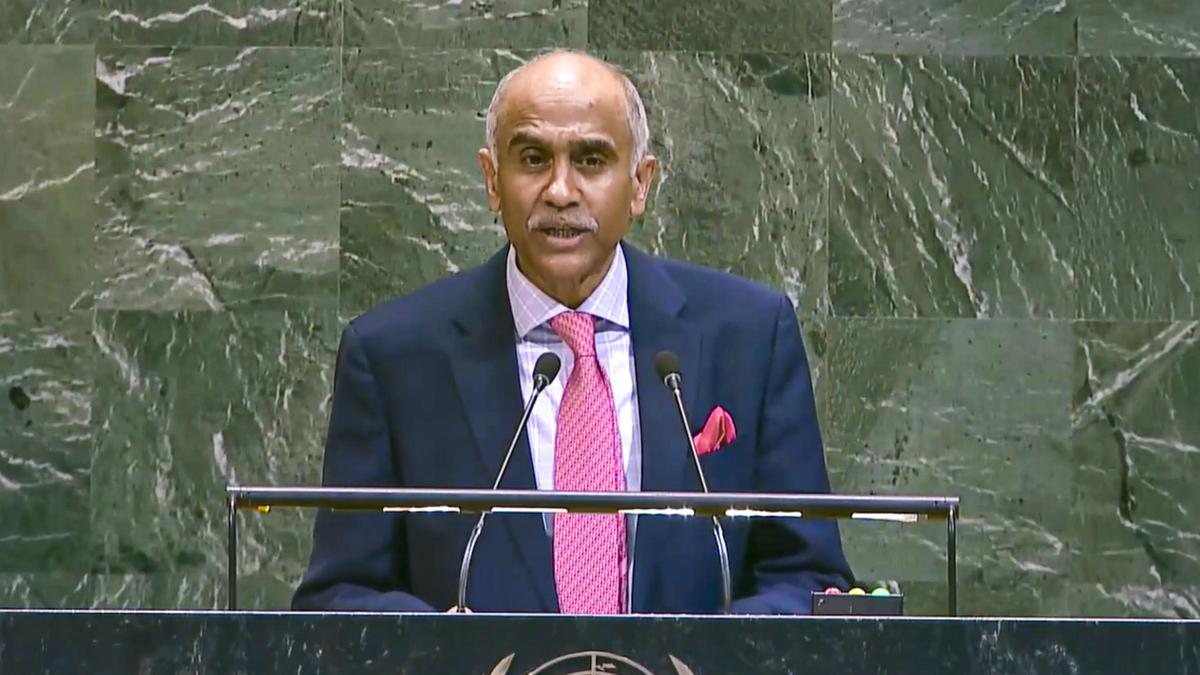
India’s permanent representative at the UNSC has labelled Islamabad’s ‘Fitna al-Hindustan’ designation as a calculated attempt to mask internal instability with state-sponsored misinformation.
The United Nations Security Council chamber often serves as a stage for rehearsed diplomatic pleasantries, but this week, the air grew noticeably thin as India launched a scathing critique of Pakistan. At the heart of the confrontation was a label: Fitna al-Hindustan. By officially branding militant groups operating within its own Balochistan province with this loaded religious term, Pakistan has effectively tried to outsource the blame for its domestic security crisis to New Delhi.
India’s Permanent Representative to the UN, Ambassador Harish Parvathaneni, didn’t mince words. He dismantled the narrative, characterising it as "officially sponsored misinformation and disinformation" disguised in religious terminology. For New Delhi, this is not just a semantic dispute; it is a clear-cut case of the Pakistani deep state manufacturing an external bogeyman to distract from its crumbling internal governance and economic woes.
The anatomy of a distraction
The origins of this rhetoric trace back to last year, when Pakistan’s government began using the Fitna al-Hindustan tag to describe armed outfits in Balochistan. The implication was clear: these groups were acting at India’s behest. Yet, as Parvathaneni pointed out, this accusation has arrived without a shred of evidence.
The strategy, according to the Indian envoy, is an "organised factory of hate." By keeping the citizenry in a state of permanent, high-octane hostility toward India, the establishment in Islamabad aims to secure its own grip on power and national resources. It is a classic diversionary tactic, now accelerated by what India describes as a de facto military coup—the 27th Constitutional Amendment, which birthed the office of the Chief of Defence Forces, currently occupied by Field Marshal Asim Munir.
Beyond rhetoric: The human cost
The UNSC meeting was not restricted to verbal sparring over terminology. India also drew sharp attention to the reality on the ground in Afghanistan, specifically calling out Pakistan’s recent military airstrikes. Ambassador Parvathaneni was blunt: "Dressing up a massacre as a military operation does not absolve the perpetrator."
He noted the stark irony of a state preaching international law and Islamic solidarity while conducting lethal strikes during the holy month of Ramadan. By framing these actions as counter-terrorism, Pakistan is, in India’s view, hiding behind a veil of religious piety to justify the suffering and displacement of Afghan civilians.
Why it matters
This diplomatic clash underscores a widening gulf in regional stability. When a nuclear-armed state relies on an "organised factory of hate" to manage internal dissent, the risk of miscalculation escalates. By calling out the Fitna narrative so publicly at the UNSC, India is signaling that it will no longer allow Pakistan’s state-sponsored misinformation to go unchallenged on global platforms. The pattern is transparent: whenever the Pakistani deep state faces existential pressure—be it economic collapse or constitutional overreach—it retreats to the old, comfortable script of anti-India sentiment. For the international community, the message from Delhi is that this isn't just about two neighbors; it is about the weaponisation of misinformation to destabilize an entire region.
Kabir Sharma writes on culture, technology and everyday life for PoliticalPedia.