From Finland to Delhi: Jaishankar’s blunt retort to European criticism on Russian oil
'Europeans sell weapons used to attack India': Jaishankar clears India's stance on Russian oil
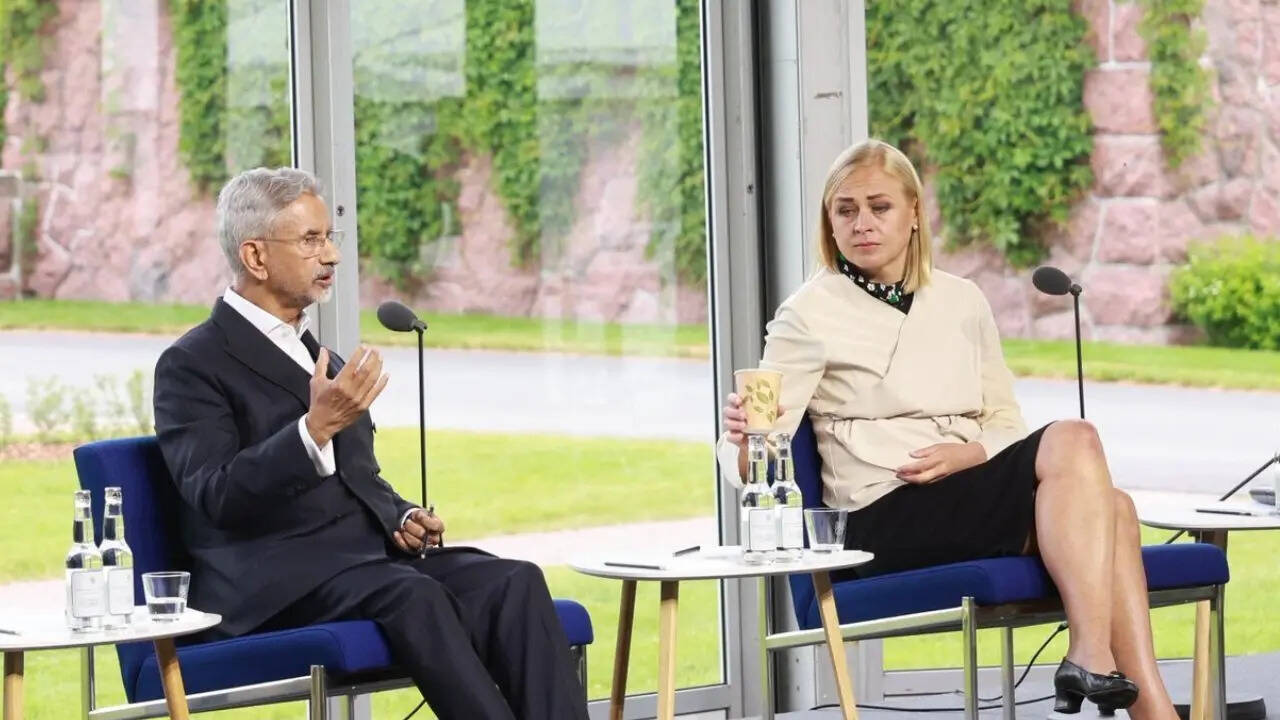
External Affairs Minister S Jaishankar has fired back at European critics, highlighting the irony of Western moralizing while India manages its energy security.
The diplomatic frost between New Delhi and various European capitals over the Ukraine conflict thawed into a sharp, public exchange at the Kultaranta Talks in Finland. S Jaishankar, known for his acerbic wit and direct delivery, dismantled the narrative that India has been "too sympathetic" to Russia by pointing out a historical uncomfortable truth: the weapons Europeans have sold to India’s neighbors for decades have been used to attack India.
The External Affairs Minister’s comments were a pointed response to persistent questions about India’s energy imports. While European officials have frequently questioned why New Delhi continues to purchase Russian oil, Jaishankar flipped the script. "No European country has been attacked with Indian weapons. I wish I could say that for Europe weapons vis-a-vis India," he told the forum, underscoring that India’s procurement choices are driven by national security and economic stability rather than geopolitical alignment.
The Energy Balancing Act
Behind the scenes, the narrative is far more nuanced than the public rhetoric suggests. Sources indicate that India’s decision to source crude from Moscow has not been a rogue operation. In 2022, when global energy markets were reeling from the initial shock of sanctions, the United States actually encouraged India to continue buying Russian supplies to prevent a catastrophic price spike that would have crippled the global economy.
For India, the math is simple. As a massive energy importer, Delhi has to secure the best possible deal to keep inflation in check and domestic industries running. Jaishankar has consistently maintained that India will trade where it finds the best terms, irrespective of the noise from Western capitals.
Why it matters
This friction highlights a deepening divide in how "strategic autonomy" is perceived. Europe views the Ukraine crisis through an existential lens, expecting global solidarity. India, however, views the conflict as one of several competing geopolitical pressures it must manage.
The bigger picture here is the shift in global power dynamics. By publicly calling out the contradiction of European arms sales, Jaishankar is signaling that the era of India accepting moral lectures from the West is over. New Delhi is increasingly comfortable asserting that its foreign policy is built on its own national interests, and it is no longer willing to be the silent partner in someone else’s geopolitical crusade. The challenge for Brussels and Delhi now is to move past these public spats and find a middle ground that respects India's need to keep its economy afloat while addressing European security anxieties.
Arjun Mehta reports on government, policy and Parliament for PoliticalPedia, in English and Hindi.