From Ballots to Ballistics: India and Indonesia Deepen Strategic Ties
Indonesia to build country-specific EVMs with India's support
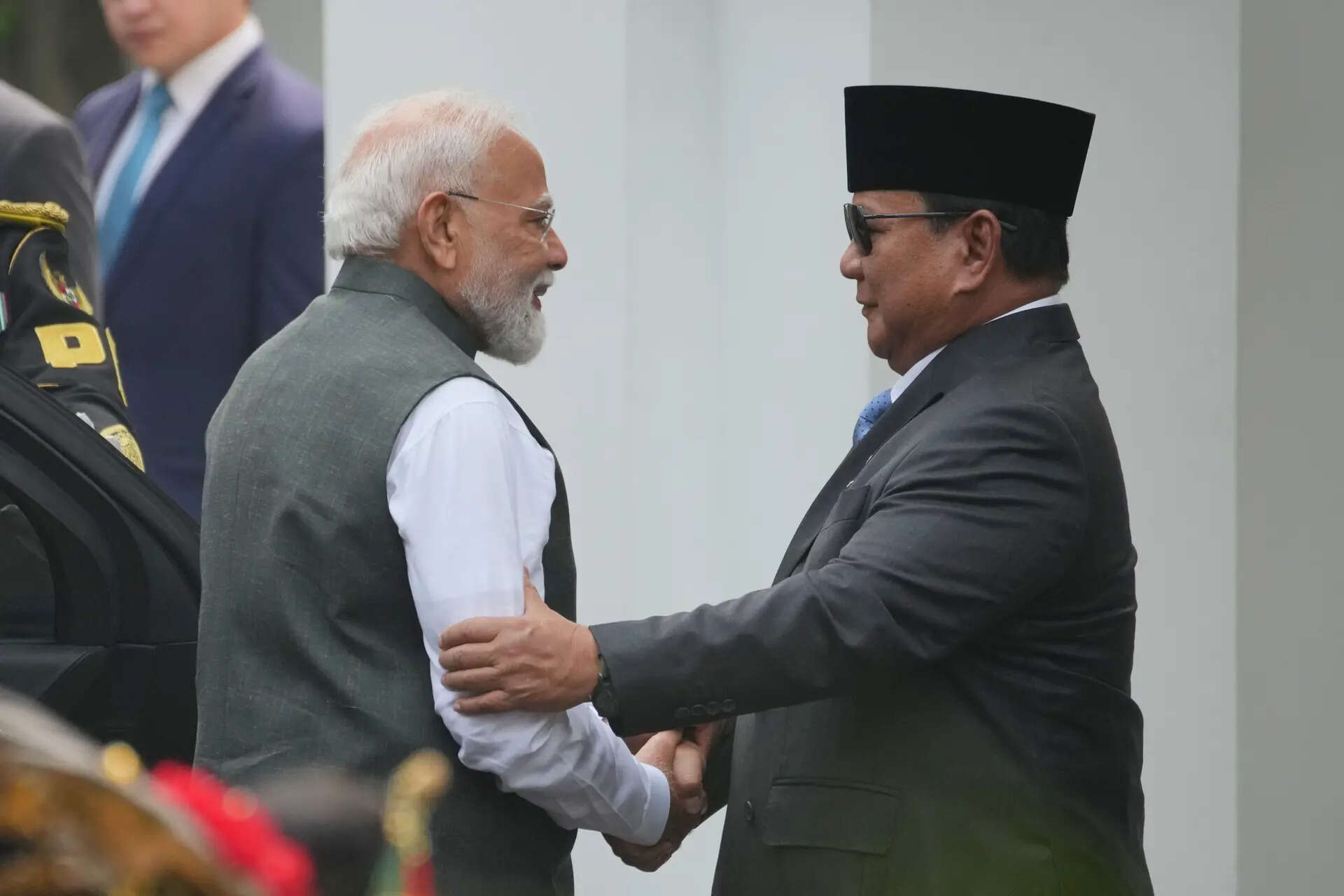
Beyond the high-profile defence exports, India is set to play a pivotal role in shaping Indonesia’s electoral infrastructure by supporting the development of country-specific EVMs.
The diplomatic choreography during Prime Minister Narendra Modi’s recent state visit to Indonesia signals more than just a ceremonial exchange of honors. While the headlines have been dominated by the significant defence cooperation agreements—including the planned export of Astra missiles and discussions surrounding the BrahMos system—a quiet but profound technological partnership is taking root. India has formally committed to supporting Indonesia in the development and design of its own Electronic Voting Machines (EVMs), tailored to the specific democratic requirements of the Southeast Asian nation.
For India, this marks a new chapter in "electoral diplomacy." By sharing technical expertise in EVM architecture, New Delhi is positioning its home-grown democratic hardware as a viable model for emerging economies. The collaboration aims to leverage the experience of the Election Commission of India, adapting the robustness of Indian systems to fit the unique logistical and geographical challenges posed by the Indonesian archipelago.
Defence and the 'Act East' Pivot
The visit also served to solidify a Comprehensive Strategic Partnership that has been gathering momentum. Beyond the ballot box, the defence sector is emerging as a cornerstone of the bilateral relationship. The move to export Astra missiles is a milestone for India’s defence manufacturing sector, showcasing the global appetite for Indian-made tactical hardware. These deals, coupled with strategic cooperation involving the Sabang port, suggest that India is actively deepening its footprint in the Indo-Pacific, aligning its security interests with regional partners to maintain maritime stability.
Why it matters
This dual-track approach—combining soft power through electoral technology and hard power through missile exports—reflects a maturing Indian foreign policy. For the domestic economy, the export of high-end defence systems validates the 'Make in India' initiative, suggesting that the defence industry is moving from an import-dependent setup to a credible global supplier. Meanwhile, the support for Indonesian EVMs is a subtle assertion of India’s technological self-reliance, proving that our systems are not just fit for our own massive electorate, but are scalable and adaptable for other complex democracies.
The broader picture is one of deepening integration. As India looks to balance its influence in the region, the combination of technical, economic, and security ties with Jakarta provides a template for future engagements with other nations. By exporting both the tools of governance and the tools of defence, India is moving beyond traditional trade, becoming an essential partner in the infrastructure and security architecture of its neighbours and beyond.
Rohan Gupta covers the economy, markets and companies for PoliticalPedia.