The Makerfield ripple: Why Keir Starmer’s leadership is on the edge as Andy Burnham returns
Why Starmer is facing fresh pressure to exit after Labour rival Andy Burnham’s victory
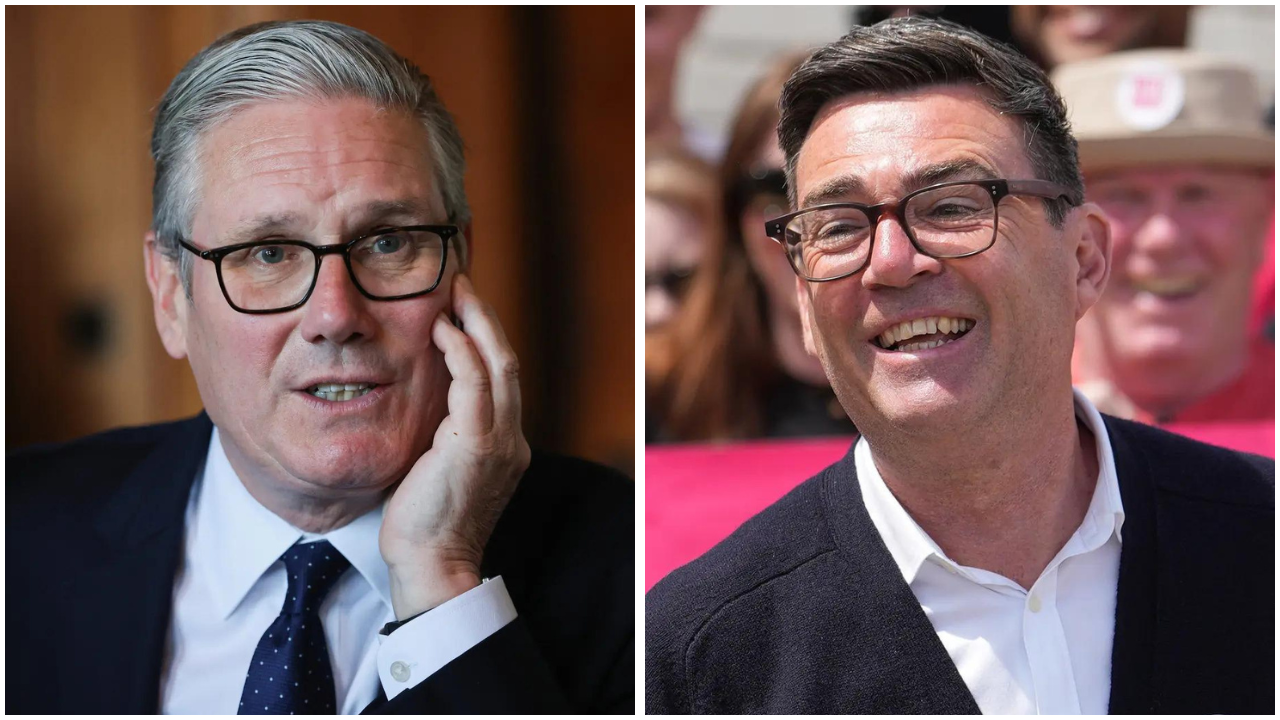
A decisive by-election win for Andy Burnham has emboldened critics within the Labour Party, leaving Prime Minister Keir Starmer fighting to keep his premiership afloat.
The quiet corridors of Westminster are rarely quiet for long, but this weekend, the tension surrounding 10 Downing Street has reached a fever pitch. Keir Starmer, the British Prime Minister, finds himself in a precarious position following a stunning by-election result in Makerfield. Andy Burnham, the popular Mayor of Greater Manchester, secured the seat with a commanding 55 percent of the vote, effectively ending his hiatus from the House of Commons and signalling an immediate challenge to Starmer’s authority.
The Burnham factor
For months, dissatisfaction has simmered within the ruling Labour ranks, but the Makerfield victory has turned that quiet frustration into a loud, public demand for change. Burnham, who has led Greater Manchester since 2017, did not mince words in his victory speech. He declared that "politics isn't working" and explicitly stated that the party has a "final chance to change." By returning to Parliament, Burnham has cleared the primary hurdle for a leadership bid: he is now an MP, eligible under Labour rules to challenge the sitting leader should he secure the backing of 81 colleagues.
Starmer’s response has been one of defiance. While speculation regarding his resignation dominated headlines over the weekend—with some reports suggesting he was preparing to step down—his camp has been quick to push back. Senior minister Peter Kyle insisted that while the Prime Minister is taking time to "think and reflect on the political realities," there is no confirmation of an impending exit. Starmer himself was firm on Friday, stating, "I will run, I will stand," and maintaining that he has no intention of walking away from his post.
Why it matters
The broader implication here is a classic case of a party losing its internal consensus during a period of national economic and social strain. For an Indian observer, the pattern is familiar: when a governing party’s electoral machinery begins to stutter, the "grassroots" alternative—in this case, a regional leader with a distinct power base—naturally gathers momentum. Burnham represents a shift toward a more populist, assertive brand of politics that many Labour MPs feel is currently missing. If Starmer cannot convince his caucus that he still commands the party's direction, the pressure to set a firm timetable for his departure will likely become impossible to ignore.
The coming days will be critical. Starmer is currently at Chequers, ostensibly reflecting on his next steps. While his allies stress that he remains focused on the day-to-day business of governing, the political arithmetic is shifting against him. Whether this is the beginning of a formal "Starmer exit" or merely a stormy phase of internal party negotiation remains to be seen, but one thing is clear: the Labour Party is no longer a house in order.
Ananya Iyer covers global affairs with an Indian lens for PoliticalPedia.