Fragile Truce Shattered: Pakistan Leads Urgent Diplomacy as US-Iran Tensions Flare in the Gulf
US-Iran war LIVE: Pakistan urges end of war a day after fresh exchange of strikes
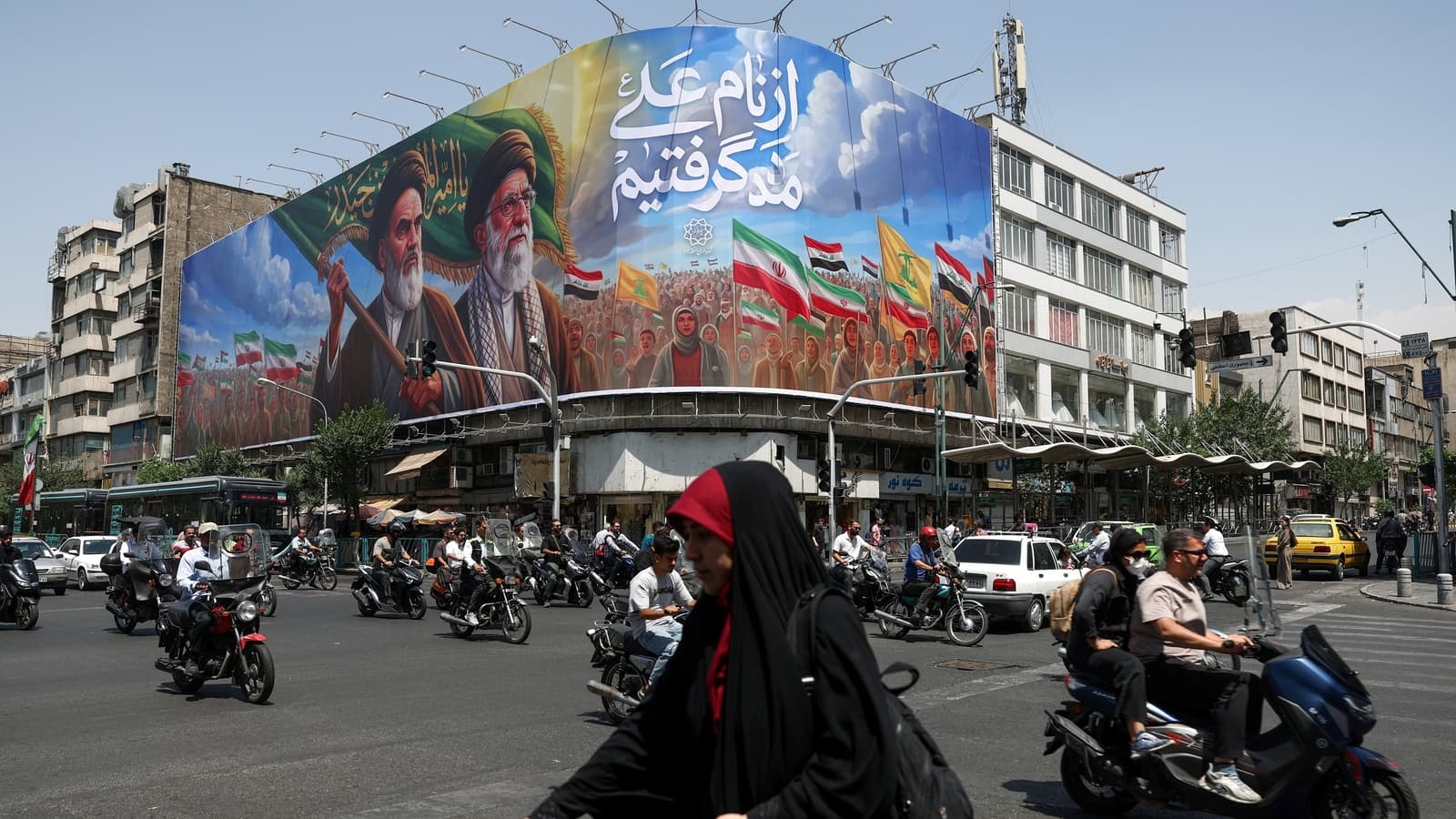
As Tehran launches ballistic missiles at Bahrain and Kuwait following fresh American strikes, Islamabad ramps up efforts to prevent a full-scale regional conflict.
The fragile, weeks-old ceasefire in the Middle East is teetering on the brink of collapse following a dramatic escalation in hostilities between the US and Iran. The latest cycle of violence erupted after US Central Command (CENTCOM) confirmed it had engaged Iranian attack drones near the Strait of Hormuz before launching retaliatory strikes against coastal radar installations. In a swift and aggressive response, Iran fired seven ballistic missiles toward Bahrain and Kuwait, with regional authorities reporting blasts near Manama and the Kuwaiti international airport.
Diplomatic Scramble Amidst Escalation
Amidst the renewed barrage of missiles, Pakistan has intensified its behind-the-scenes efforts to prevent the situation from spiraling into a wider regional war. Mohsin Naqvi, Pakistan’s interior minister, arrived in Tehran on his third visit in recent weeks to push for a de-escalation of the US-Iran conflict. Islamabad is positioning itself as a vital mediator, attempting to bring both sides back to the negotiating table before the current deadlock—which has already rattled global energy markets—results in a permanent breakdown of the truce that has intermittently held since April 8.
The stakes for the region are immense. The Strait of Hormuz remains a critical chokepoint for global oil and gas shipments, and the current instability is complicating international efforts to secure maritime traffic. While Bahrain, which hosts the US Fifth Fleet, has denounced the Iranian strikes as "blatant aggression," and Kuwait has flagged the incident as a "dangerous escalation," the rhetoric from Tehran remains defiant. Iranian military officials have continued to frame their actions as a response to Washington’s "hostile and provocative behavior," further complicating the diplomatic push led by Islamabad.
Domestic Pressures and Strategic Deadlocks
The conflict is not merely a regional security crisis; it is increasingly entangled in the domestic politics of the United States. With the mid-term elections approaching, President Donald Trump faces mounting pressure to resolve the standoff. Iranian leadership, represented by military adviser Mohsen Rezaei, has publicly demanded the release of $24 billion in frozen assets as a precondition for breaking the diplomatic logjam. However, Washington appears to be moving in the opposite direction, with the Pentagon reportedly ordering additional troops to the region to bolster its position.
The broader international landscape remains fragmented, with reports suggesting that while a ceasefire was theoretically in place, the reality on the ground has been marked by sporadic, high-intensity exchanges. As Israeli involvement continues to widen the scope of the fighting and global powers look on with concern, the primary challenge remains whether the existing diplomatic channels—or those currently being navigated by Pakistan—can survive the current military momentum. For now, the region waits to see if the latest exchanges represent a final, desperate flare-up before a lasting settlement, or the beginning of a prolonged and devastating war.
The PoliticalPedia Editorial Desk brings verified, sourced political news and analysis from across India.