Fragile Ceasefire Collapses: US Strikes Iranian Radar Sites After Drone Intercepts Near Strait of Hormuz
US attacks Iran radar sites as drones fly towards Hormuz
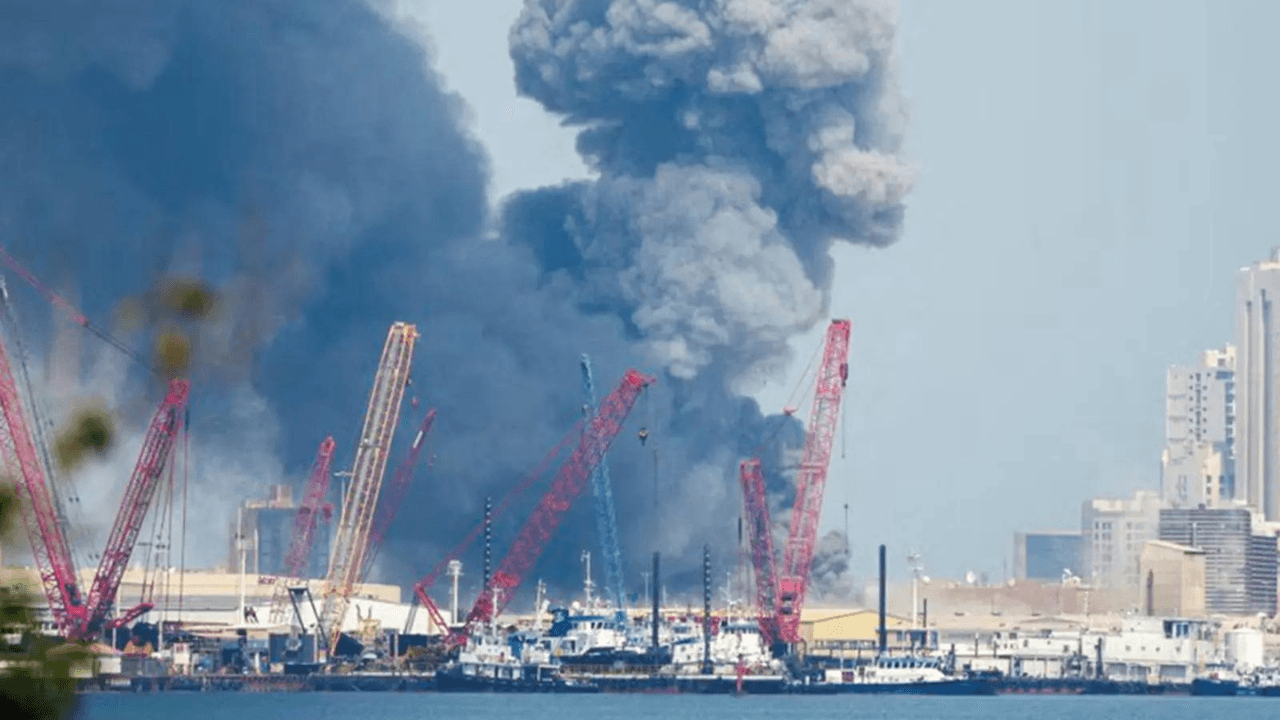
Regional tensions flare as the US military targets coastal surveillance infrastructure following a series of Iranian drone launches and retaliatory missile strikes on Gulf neighbors.
The delicate stability in the Persian Gulf fractured on Saturday when US forces launched precision strikes against Iranian coastal radar sites. The military engagement, confirmed by US Central Command, followed the interception of four Iranian drones that were reportedly targeting maritime traffic near the Strait of Hormuz. US officials stated the action was a defensive necessity to protect shipping lanes, but the move has effectively pushed the region to the brink of a wider conflict.
Retaliation and Regional Escalation
The situation spiraled rapidly as Iran’s Revolutionary Guards claimed responsibility for retaliatory strikes against US military bases in Kuwait and Bahrain. Tehran’s response included a ballistic missile barrage targeting residential areas in Kuwait, which the Kuwaiti army reported caused significant material damage, though miraculously avoiding casualties. Simultaneously, sirens echoed across Bahrain as residents were advised to take cover, marking a dramatic widening of the conflict beyond the immediate maritime theater.
A Diplomatic Deadlock
Iran’s foreign ministry wasted little time in condemning the US strikes, labeling them a direct violation of the April 8 ceasefire agreement. Tehran warned that Washington would be held accountable for the consequences of these "illegal actions," claiming the US has no genuine interest in de-escalation. This sentiment comes at a precarious time, as Pakistani Interior Minister Mohsin Naqvi arrived in Tehran on Saturday for high-level talks, carrying a message for Supreme Leader Ayatollah Mojtaba Khamenei aimed at salvaging the rapidly disintegrating peace process.
The Trump Administration’s Stance
Despite the escalating violence, US President Donald Trump maintained a characteristically optimistic tone, telling reporters on Friday that the situation with Iran "seems to be going quite well." However, the administration appears increasingly boxed in. While negotiators had reached a tentative agreement to extend the ceasefire by 60 days and revive nuclear talks, the deal remains stalled. President Trump has demanded unspecified changes to the terms, a hurdle that Iranian negotiators are struggling to ratify, citing the internal difficulty of such concessions.
The Strategic Stakes
The latest exchange highlights how quickly the region can pivot from fragile diplomacy to open warfare. With Iran reportedly retaining 21% to 22% of its total missile stockpile—according to recent intelligence cited by the US—the ability to project force remains high on both sides. As the international community watches, the primary concern remains the safety of the Strait of Hormuz, a global energy chokepoint that remains the central focus of these military maneuvers. Whether the arrival of Pakistani mediators can offer a pathway back to the negotiating table remains to be seen, as the current cycle of strikes and counter-strikes continues to challenge the limits of existing diplomacy.
The PoliticalPedia Editorial Desk brings verified, sourced political news and analysis from across India.