Four years on, Ashok Gehlot claims BJP used Kanhaiya Lal murder for political gains
'BJP used Kanhaiya Lal murder for votes': Ashok Gehlot says justice still elusive four years later
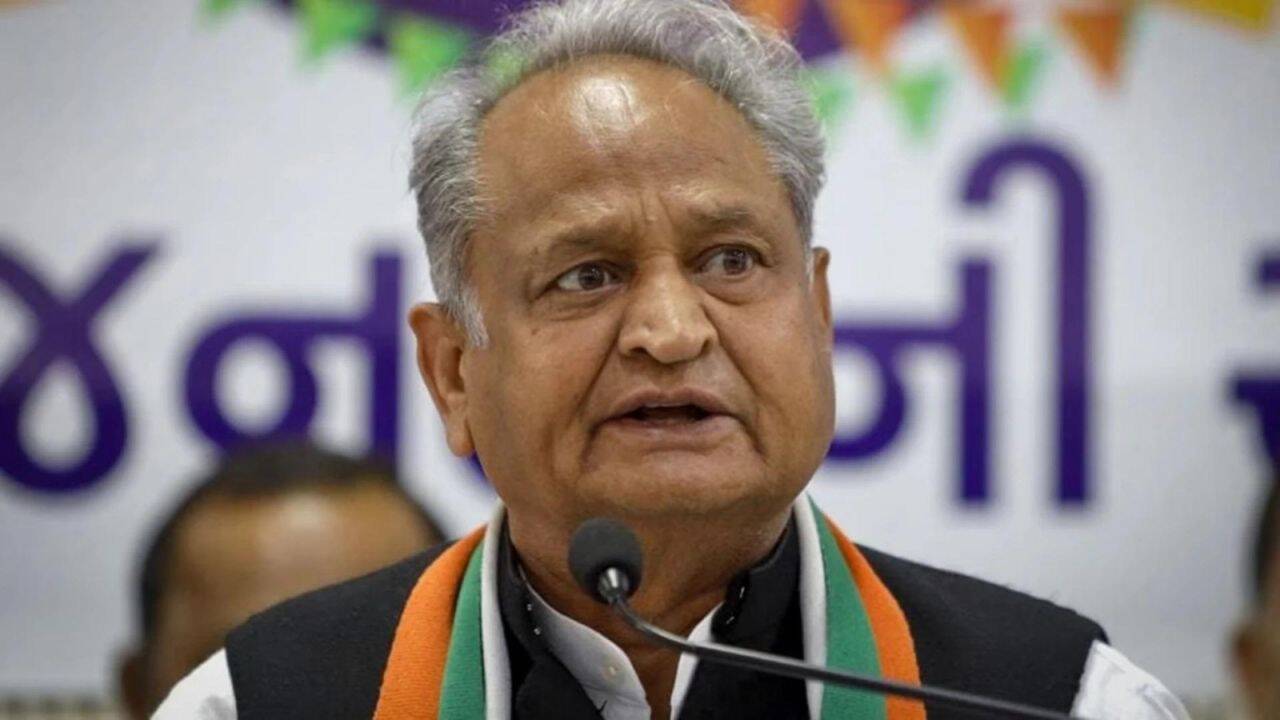
Former Rajasthan Chief Minister Ashok Gehlot has reignited the debate over the 2022 Udaipur murder, alleging that the trial has stalled despite the case being under NIA jurisdiction.
The brutal killing of Udaipur tailor Kanhaiya Lal on June 28, 2022, sent shockwaves across India, turning a local tragedy into a national flashpoint for communal tension. Four years later, the courtroom in Jaipur remains largely silent. Former Rajasthan Chief Minister Ashok Gehlot has now launched a stinging critique of the BJP-led central government, arguing that the judicial process has been allowed to wither even as the party previously leveraged the incident to fuel its electoral narrative.
A trial in limbo
Gehlot has pointed to specific procedural failures that have crippled the pursuit of justice. He claims that out of nearly 180 witnesses, only a small fraction have been examined, and the case has suffered from significant administrative gaps—including a six-month period where the court saw no movement due to the transfer of the presiding judge. While the National Investigation Agency (NIA) took over the probe within hours of the murder, Gehlot argues that the pace of the trial under the "double engine" government contradicts the urgency promised when the agency first assumed control.
The BJP has consistently faced pressure from the Congress, which maintains that had the investigation remained with the state police, the legal outcome would have been far swifter. Gehlot’s recent statements highlight the frustration of the victim's family, who feel caught between the high-profile nature of the case and the reality of a sluggish judicial timeline.
The politics of compensation and rhetoric
Beyond the legal delays, the discourse has turned bitter over the state's response to the victim's kin. Gehlot has refuted claims that his government failed the family, noting that they provided Rs 50 lakh in compensation and government jobs for both of Kanhaiya Lal’s sons. He accuses the BJP of manufacturing a "five lakh versus fifty lakh" narrative during the assembly elections to sway public sentiment, a charge the BJP has historically rejected.
Furthermore, the Congress leader has made the provocative allegation that some of the accused have ties to the BJP, a claim the party has firmly denied in the past. With the Home Minister and other top leaders now largely silent on the case during their visits to Rajasthan, the Opposition is framing this lack of communication as proof that the issue was merely a tool for electoral mobilization rather than a genuine crusade for justice.
Why it matters
This dispute highlights a recurring pattern in Indian politics: the transformation of sensitive criminal cases into electoral ammunition. When a heinous crime moves from local police to a central agency like the NIA, it is often touted as a move toward "speedy justice." However, when that justice stalls, it creates a vacuum of accountability. The shifting of responsibility between the Centre and the State, combined with the politicization of the victim’s identity and compensation, suggests that the Kanhaiya Lal case is no longer just a trial of suspects, but a proxy battle for political legitimacy in Rajasthan. As the case drags on, the delay feeds public cynicism, leaving a grieving family waiting for a verdict that seems increasingly distant.
Arjun Mehta reports on government, policy and Parliament for PoliticalPedia, in English and Hindi.