FIFA’s Legal Reach Hits a Small Vancouver Pet Shop Over Plush Bears
Small Vancouver pet shop told to take down plush bears wearing World Cup jerseys
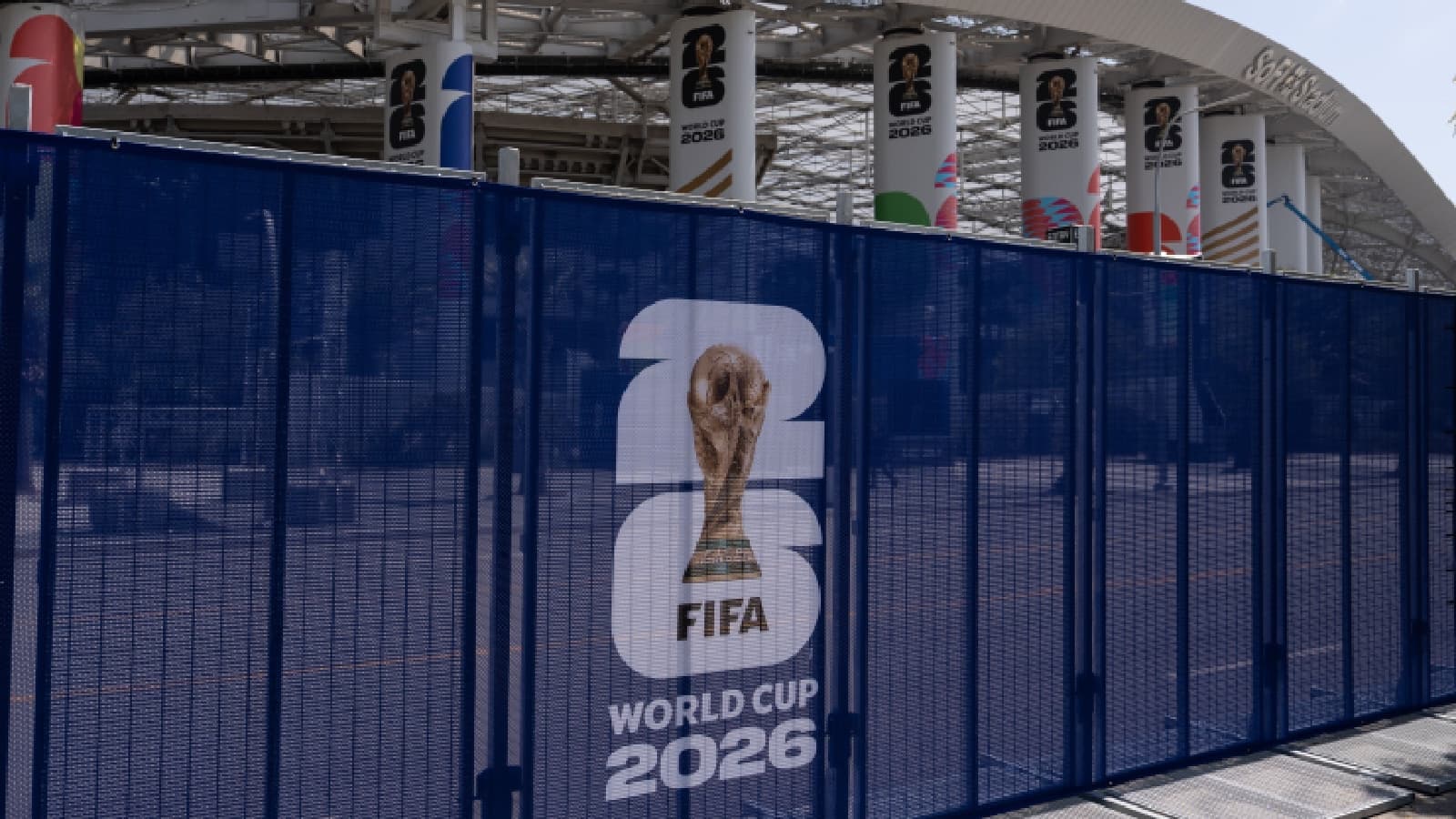
A local business owner faces threats of heavy fines for selling toy bears wearing football jerseys, highlighting the aggressive policing of World Cup branding.
Dawn Moulton thought she was just adding a bit of festive cheer to her shop floor. As Vancouver prepares to host matches for the upcoming World Cup, the owner of Cascadia Natural Pet Supply stocked 20 small plush bears, each dressed in the colours and jerseys of teams like England, France, and Canada. She intended for them to be a fun accessory for pets—a way for local owners to join the global excitement. Instead, she found herself in the crosshairs of FIFA’s legal machinery.
Moulton recently received an email from the world football governing body demanding she remove all "FIFA-related materials" from her website and shop. The threat was explicit: failure to comply could result in a fine of up to 1,000 Canadian dollars for trademark infringement. For a small Vancouver business, that figure is not just a nuisance; it is a significant financial blow.
The bears were sourced from Kong, a well-known US pet product manufacturer. Moulton assumed that a company of such scale would have secured the necessary licensing to use football branding. It turns out, that was a costly oversight. Because the products lacked the specific commercial licensing required for World Cup branding, FIFA’s global monitoring team—which scours social media and online marketplaces for unauthorized use of its intellectual property—flagged the shop immediately.
Ambush Marketing or Overreach?
For FIFA, this is standard procedure. The organisation spends millions protecting its exclusive commercial rights, viewing any unauthorized association as “ambush marketing.” They are notoriously protective of their trademarks, often taking aggressive action against minor infringements to preserve the value of their partnerships with multi-billion dollar sponsors.
Moulton, however, sees the situation differently. She views the move as corporate bullying, pointing out that she uses profits from her store to cover veterinary costs for five parrots in her care. In a parting jab at the organisation on Instagram, she argued that the focus on small businesses is symptomatic of a larger problem, comparing it to the restrictive policies FIFA often enforces at host venues, such as banning personal water bottles to drive up sales of official merchandise.
The Bigger Picture: Why It Matters
This incident captures the recurring tension between global sporting mega-events and the local communities that host them. While intellectual property protection is a cornerstone of modern sports business, the "zero-tolerance" approach often leaves a bitter taste for small traders. When a governing body with massive financial reserves targets an independent shop owner over a handful of stuffed toys, it invites public scrutiny regarding where a corporation's rights end and local livelihood begins.
As Vancouver and other host cities ramp up their preparations, this story serves as a warning for other small businesses: in the shadow of the World Cup, even the smallest display of team spirit can become a legal liability. For now, the plush bears have been pulled, and Moulton is left to weigh the cost of being caught in the machinery of a global sporting giant.
World Desk at PoliticalPedia covers global affairs for an Indian audience in English and Hindi.