FIFA World Cup 2026: A Billion-Pint Boost Expected to Revive Global Beer Sales
‘Beer should be better in 2026’: WC to boost global sales by a billion pints
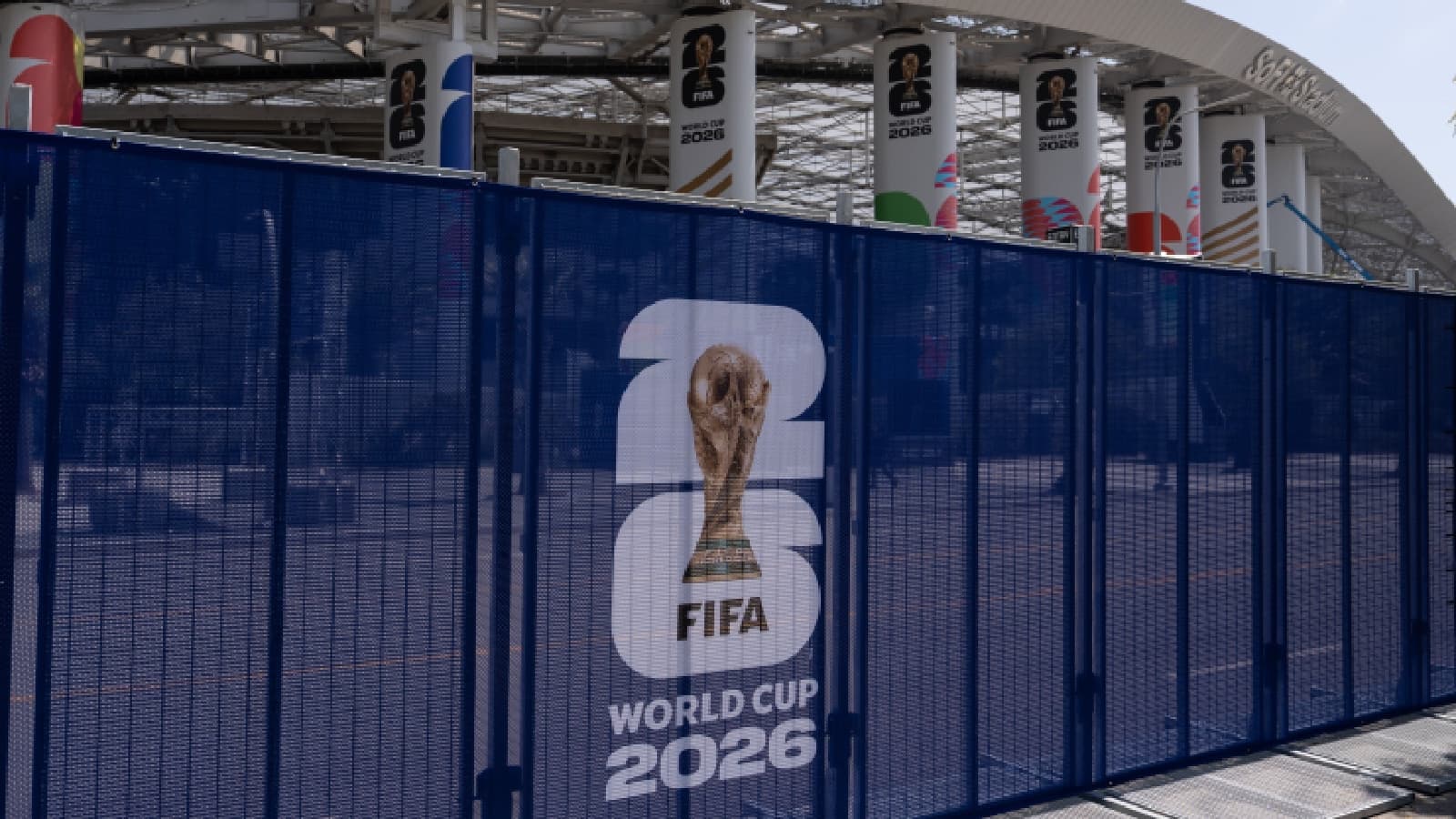
As the football tournament expands across North America, analysts predict a major economic uplift for the beverage industry and the broader tourism sector.
The upcoming 2026 FIFA World Cup is shaping up to be more than just a spectacle on the pitch; it is positioned as a critical catalyst for a global beer industry that has faced years of stagnant growth. According to a recent study by investment bank Jefferies, the tournament is expected to drive an additional one billion pints of beer in global sales. With the event spanning the United States, Canada, and Mexico from June 11 to July 19, the surge in consumption is projected to add roughly 568 million litres to total industry volumes, marking a 0.3% increase for the year.
An Expanded Format Drives Consumption
The sheer scale of the 2026 edition is the primary driver behind this optimism. Featuring 48 teams instead of the traditional 32, the tournament will host 104 matches, a significant jump from the 64 games seen in Qatar four years ago. This expanded format, which stretches over 39 days, creates more "drinking occasions"—particularly within pubs and bars where football viewing culture remains a cornerstone of the experience. Analysts at Jefferies suggest that after five years of market volatility, the industry is finally set for a meaningful recovery.
While off-trade consumption, such as supermarket purchases for home consumption, is expected to remain largely flat, the on-trade sector is poised for a windfall. Geographical timing also works in the industry’s favour; approximately 84% of matches involving participating nations are scheduled during "beer-friendly" time zones, between 5 pm and 11 pm local time. Major industry players, including official sponsor Anheuser-Busch InBev and Heineken, are widely tipped to benefit from this, given their strong distribution networks in the host regions and Western Europe.
Beyond the Bar: A Broader Economic Ripple
The economic impact of the event extends far beyond the beverage sector. A joint study by FIFA and the World Trade Organization projects a $41 billion boost to global GDP. In the United States, which will host 75% of the matches, the influx of an estimated 13.1 million visitors is expected to generate demand for over 21 million hotel room nights. Cities like Kansas City and Seattle are already bracing for a significant economic surge, with local authorities in areas like Park City moving to extend alcohol sales hours to accommodate the expected crowds.
However, the outlook is not without its complexities. While analysts are bullish on the beer industry, some reports indicate that hotel bookings in certain host cities are currently falling short of initial expectations. Furthermore, while the tournament provides a massive boost, it follows a period where the U.S. tourism sector saw a decline in international visitors. Whether the 2026 World Cup can fully reverse these trends remains to be seen, but for global brewers looking to clear the volatility of the last half-decade, the tournament represents a much-needed free kick for growth.
The PoliticalPedia Editorial Desk brings verified, sourced political news and analysis from across India.