Exporting Excellence: Why IIM Bangalore’s Indonesia Campus Is a Strategic Masterstroke
India Announces First IIM Bangalore Overseas Campus In Indonesia During Modi's Visit
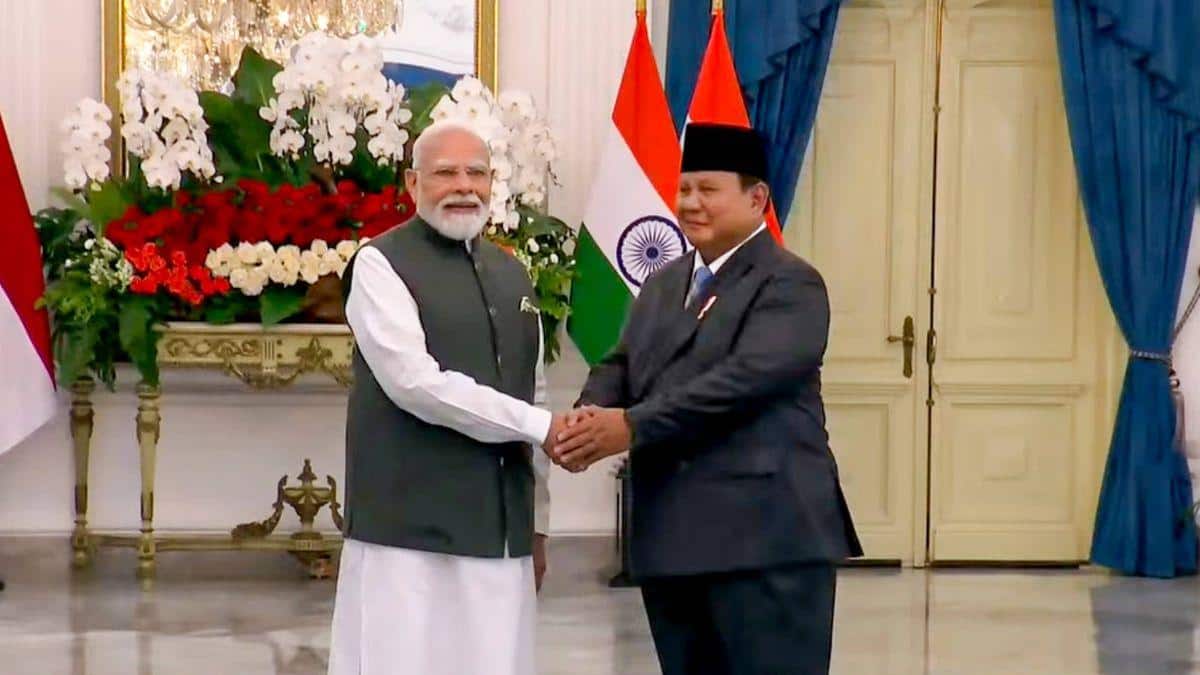
India announces first IIM Bangalore overseas campus in Indonesia during Modi's visit to deepen ASEAN ties and educational diplomacy.
The red-carpet welcome for Prime Minister Narendra Modi in Jakarta this week served as the backdrop for a significant shift in India’s educational footprint. Amidst high-stakes talks on defence, critical minerals, and maritime security, the most prominent takeaway for the academic corridor was the official word that the Indian Institute of Management (IIM) Bangalore will establish its first overseas campus in Indonesia.
The new facility will be located at the Singhasari Special Economic Zone in East Java province. Speaking in a joint statement alongside Indonesian President Prabowo Subianto, the Prime Minister highlighted that the institution is envisioned to serve as a hub for students across the ASEAN region. This move follows the precedent set by IIM Ahmedabad, which launched its international presence in Dubai last year, marking a growing trend of premier Indian B-schools testing their brand equity in global markets.
Beyond the Classroom: The Strategic Calculus
While the announcement is framed as an educational outreach, the timing suggests a broader alignment of interests. The India-Indonesia partnership is currently undergoing a "golden chapter," with 20 distinct outcomes emerging from the latest bilateral discussions. These range from supply chain cooperation on rare earth minerals to the potential export of BrahMos missile systems and collaborative efforts in artificial intelligence and space technology.
By planting an IIM flag in East Java, New Delhi is effectively using "soft power" to solidify its influence in Southeast Asia. Education is increasingly becoming a currency of diplomacy; by training the next generation of ASEAN business leaders, India is embedding its pedagogical standards and regulatory philosophies into the regional economic framework.
Why It Matters
This expansion is about more than just scaling up elite business education. It signals a shift in how India views its premier institutions—not merely as national assets, but as instruments of geopolitical reach. As India’s Central Drugs Standard Control Organisation and Indonesia's National Agency of Drug and Food Control also signed an MoU to enhance medical access and regulatory knowledge, the message is clear: the relationship is moving toward institutional integration.
For IIM Bangalore, the challenge will be to replicate its rigorous academic environment abroad while navigating the specific regulatory and market demands of the Indonesian economy. If successful, this campus could serve as a model for how India leverages its intellectual capital to strengthen trade ties and deepen regional security cooperation in the Indo-Pacific.
Priya Nair covers parties, elections and the business of power for PoliticalPedia.