Escalation in the Gulf: Iran Says Hormuz Is Completely Closed to All Ships After US Attacks
Iran Says Hormuz Is "Completely Closed" To All Ships After US Attacks
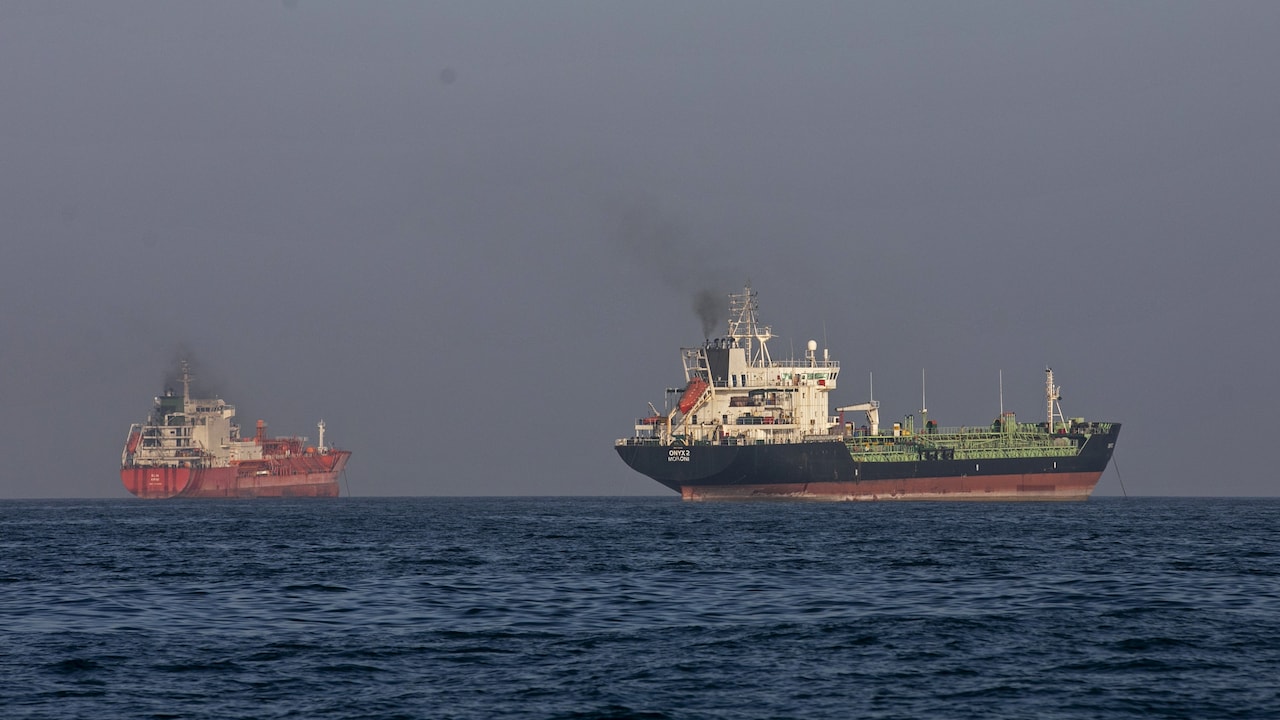
The strategic waterway, a vital artery for global energy, has been shuttered by Tehran following a fresh wave of American strikes, threatening to push the region toward an all-out conflict.
The situation in the Middle East has spiralled into a dangerous new phase this morning. Iran’s top military command has officially announced that the Strait of Hormuz is "completely closed" to all vessel traffic, including oil tankers and commercial ships. The declaration comes directly on the heels of a fresh wave of US attacks on Iranian soil, marking a dramatic collapse in diplomatic efforts to contain the war.
The Khatam al-Anbiya military command issued a chilling ultimatum early Thursday: any vessel attempting to transit the strategic waterway will be targeted. Reports from state-run media, including the Tasnim news agency and IRIB, confirm that the Revolutionary Guards navy has already engaged, striking two ships that reportedly attempted to cross the strait. Officials in Tehran have framed the closure as a response to what they term "repeated violations" of the ceasefire by American forces.
A Diplomatic Breakdown
The timing of this closure follows President Donald Trump’s decision to intensify military action, with the President vowing to "hit them hard" after accusing Iranian negotiators of bad-faith tactics. The breakdown in communication is total; US military strikes have targeted multiple locations across Iran, while Tehran has reportedly launched its own retaliatory missile and drone operations.
For the global economy, the closure of Hormuz is a worst-case scenario. As one of the world's most critical maritime chokepoints, any sustained blockage threatens to spike oil prices and disrupt global supply chains. The Iranian command has warned that even vessels currently at anchor in the Persian Gulf and the Sea of Oman should remain stationary, as any movement toward the strait will now be viewed as an act of cooperation with the "enemy."
The Bigger Picture
This is more than a regional skirmish; it is a fundamental shift in the architecture of Middle Eastern security. The "why it matters" here is clear: we are witnessing the abandonment of back-channel diplomacy in favour of direct, high-intensity kinetic conflict. By weaponising the strait, Tehran is attempting to force an international intervention by raising the cost of the war for the rest of the world.
The Indian government is watching these developments with deep concern. With the stakes rising, New Delhi has already issued a demarche to US diplomats regarding the safety of ships, underscoring the immediate threat to Indian commercial interests and energy security. As Washington suggests that more strikes are possible as early as tomorrow, the international community is bracing for the possibility that this conflict could rapidly move beyond the borders of the Gulf.
Arjun Mehta reports on government, policy and Parliament for PoliticalPedia, in English and Hindi.