Engineering Seat Matrix Expands: 1.59 Lakh Seats Up for Grabs in State Colleges
This year, 1,59,151 engineering seats available in State’s engineering colleges
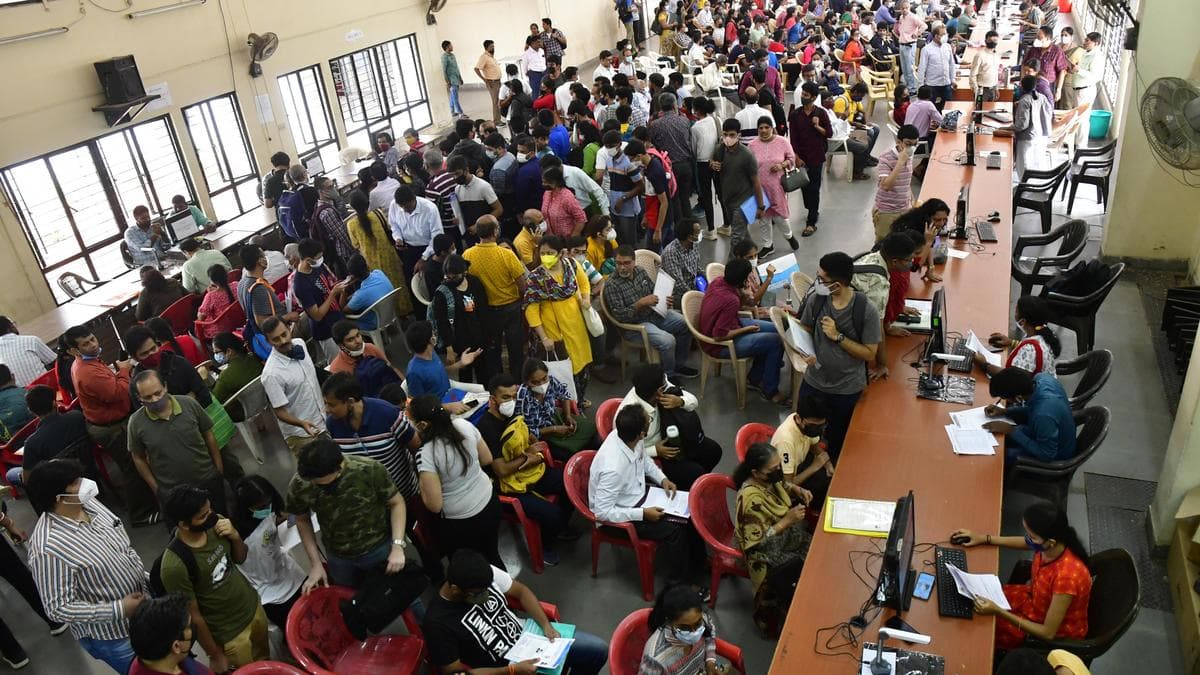
The Higher Education Department has unveiled the draft seat matrix for the 2026-27 academic year, reflecting a notable rise in intake capacity across institutions.
The state’s technical education landscape is expanding, with the Higher Education Department releasing its draft seat matrix for the 2026-27 academic year. A total of 1,59,151 engineering and architecture seats have been earmarked across 227 colleges, marking a steady growth in infrastructure. This year’s count represents an increase of 5,235 seats and 10 additional colleges compared to the 2025-26 cycle, which saw 1,53,916 seats distributed among 217 institutions.
Breakdown of the Quota System
The distribution of these opportunities is split across various categories to ensure diverse access for aspirants. Of the total available capacity, 75,041 seats fall under the government quota managed by the Karnataka Examination Authority (KEA). Meanwhile, 32,769 seats are allocated for the COMED-K quota, and 51,294 seats are reserved for the management quota. This expansion is widespread, encompassing a 500-seat hike in government colleges, a significant 2,580-seat increase in private universities, and a 1,695-seat rise in private engineering colleges. Deemed universities also saw a marginal adjustment with 60 additional seats.
Regulatory Adjustments and Quality Control
While the overall numbers have risen, the KEA has clarified that some institutions have been excluded from this initial draft. Adhering to recommendations from the Sadagopan Committee, which raised alarms regarding the saturation of Computer Science and related fields, the government has imposed stricter intake caps. Specifically, new colleges are now restricted to a maximum intake of 60 students.
For established institutions, the KEA has implemented rigorous standards: any intake exceeding 60 must be supported by a National Board of Accreditation (NBA) certificate. Furthermore, the authorities have set a threshold of 900 seats for Computer Science-related streams and a cap of 180 for any individual course. Even if an institution received approval from the All India Council for Technical Education (AICTE) to enhance their capacity, those additional seats remain excluded from the current matrix pending the submission of mandatory NBA documentation.
The Broader Context of Choice
This regulatory tightening reflects a growing tension between the supply of engineering seats and the evolving demands of the job market. While the number of seats has consistently risen to accommodate a growing pool of applicants, recent trends indicate that student preferences are shifting. Data from previous cycles suggests that while the state manages a high fill rate—often hovering around 93%—the "curious case" of vacant seats persists in specific branches or institutions that fail to align with current industry trends. As students navigate the competitive landscape of the 2026-27 admissions, the intersection of rigorous accreditation and market-driven choices will remain a pivotal factor for both administrators and aspirants.
The PoliticalPedia Editorial Desk brings verified, sourced political news and analysis from across India.